If our security measures are compromised, or our information technology systems or those of our CROs, CMOs, vendors, contractors, consultants or other third-party partners fail or suffer security breaches, cyber-attacks, loss or leakage of data or other disruptions, this could result in a material disruption of our development programs, compromise sensitive information related to our business or other personal information or prevent us from accessing critical information, potentially exposing us to liability, harm our reputation or otherwise adversely affecting our business.
In the ordinary course of business, we may collect, process, store and transmit proprietary, confidential and sensitive information (including intellectual property, trade secrets, proprietary business information, personal information and protected health information). It is critical that we do so in a secure manner to maintain the confidentiality, integrity and availability of such information. We depend on information technology and telecommunications systems for significant elements of our operations and we utilize, and expect to expand, a number of enterprise software systems that affect a broad range of business processes and functional areas, including, for example, systems handling human resources, financial reporting and controls, customer relationship management, regulatory compliance and other infrastructure operations. We face a number of risks relative to protecting this critical information, including loss of access risk, inappropriate use or disclosure, inappropriate modification and the risk of our being unable to adequately monitor, audit and modify our controls over our critical information. These risks extend to the third parties with whom we work, as we rely on a number of third parties to operate our critical business systems and process confidential, proprietary and sensitive information.
Despite the implementation of security measures, given the size, complexity and increasing amounts of proprietary, confidential and sensitive information maintained by our internal information technology systems and those of our CROs, CMOs, vendors, contractors, consultants and other third-party partners are potentially vulnerable to breakdown, service interruptions, system malfunction, accidents by our personnel or third-party partners, natural disasters, terrorism, global pandemics, war and telecommunication and electrical failures, as well as security breaches from inadvertent or intentional actions by our personnel or those of our CROs, CMOs, vendors, contractors, consultants, business partners and/or other third-party partners, or from cyber-attacks by malicious third parties (including through viruses, worms, malicious code, malware, ransomware, distributed denial-of-service attacks, social engineering and other means to affect service reliability and the confidentiality, integrity and availability of information), which may compromise our system infrastructure, or that of our CROs, CMOs, vendors, contractors, consultants and other third-party partners, or lead to data leakage.
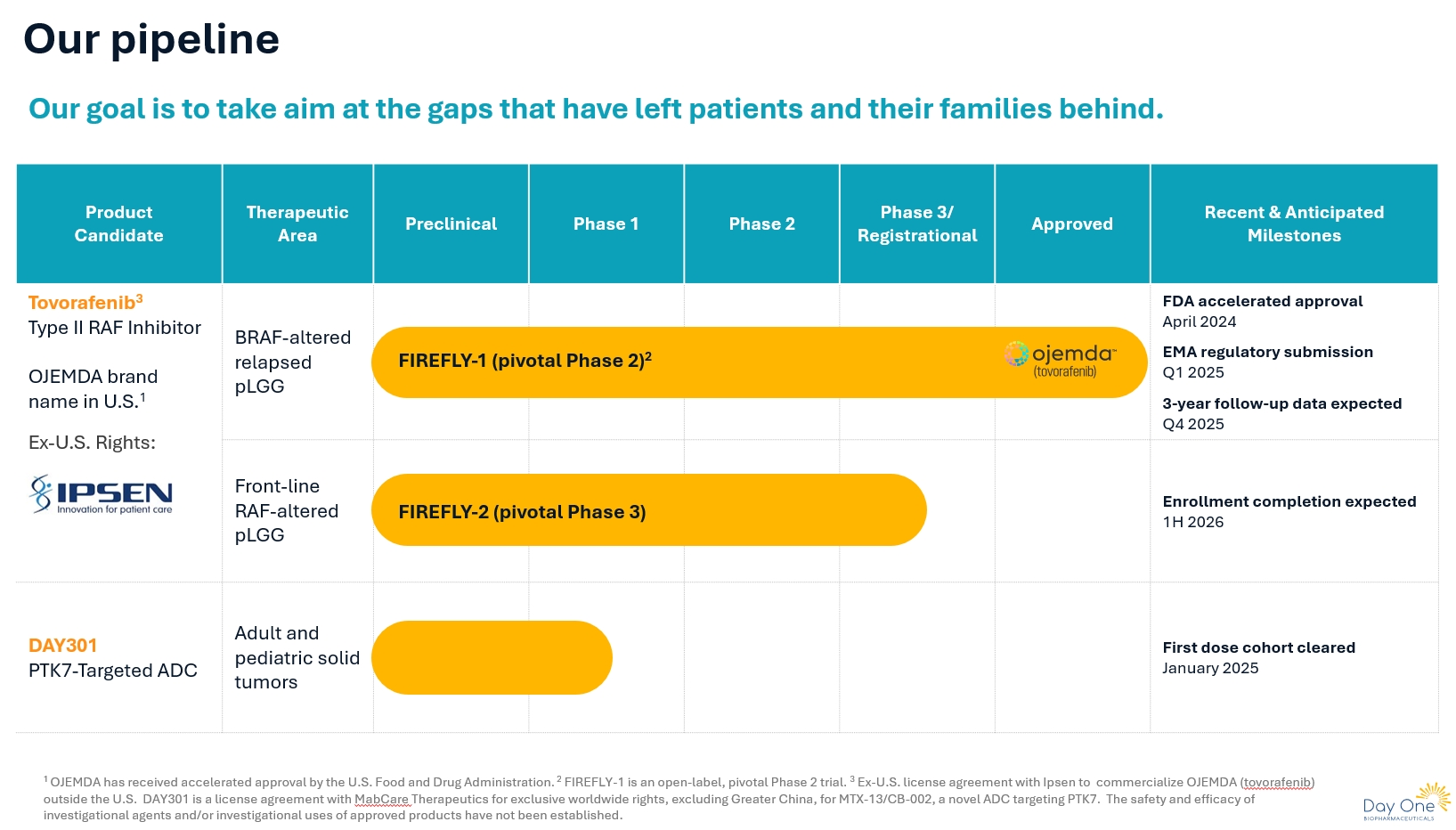
The risk of a security breach or disruption, particularly through cyber-attacks or cyber intrusion, including by computer hackers, viruses, foreign governments and cyber terrorists, has generally increased as the number, intensity and sophistication of attempted attacks and intrusions from around the world have increased. We may not be able to anticipate all types of security threats, nor may we be able to implement preventive measures effective against all such security threats. The techniques used by cyber criminals change frequently, may not be recognized until launched and can originate from a wide variety of sources, including outside groups such as external service providers, organized crime affiliates, terrorist organizations or hostile foreign governments or agencies. To the extent that any disruption or security breach were to result in a loss of, or damage to, our data or applications, or those of our CROs, CMOs, vendors, contractors, consultants and other third-party partners, or inappropriate disclosure of confidential, sensitive or proprietary information, we could incur liability and reputational damage and the further development and commercialization of OJEMDA, DAY301 or any future product candidates could be delayed. Any breach, loss or compromise of proprietary, confidential or sensitive information may also subject us to civil fines and penalties, including under HIPAA, and other relevant state and federal privacy laws in the United States.
The costs related to significant security breaches or disruptions could be material and exceed the limits of the cybersecurity insurance we maintain against such risks. If the information technology systems of our CROs, CMOs, vendors, contractors, consultants and other third-party partners become subject to disruptions or security breaches, we may have insufficient recourse against such third parties and we may have to expend significant resources to mitigate the impact of such an event, and to develop and implement protections to prevent future events of this nature from occurring.
We cannot assure you that our data protection efforts and our investment in information technology will prevent significant breakdowns, data leakages, breaches in our systems, or those of our CROs, CMOs, vendors, contractors, consultants and other third-party partners, or other cyber incidents that could have a material adverse effect upon our reputation, business, operations or financial condition. For example, if such an event were to occur and cause interruptions in our operations, or those of our third-party CROs, CMOs, vendors and other contractors and consultants, it could result in a material disruption of our programs and the development of OJEMDA or our product candidates could be delayed. In addition, the loss of clinical trial data for OJEMDA, DAY301 or any other product candidates could result in delays in our marketing authorization efforts and significantly increase our costs to recover or reproduce the data. Furthermore, significant disruptions of our internal information technology systems or those of our third-party CROs, CMOs, vendors and other contractors and consultants, or security breaches could result in the loss, misappropriation and/or unauthorized access, use or disclosure of, or the prevention of access to, confidential information (including trade secrets or other intellectual property, proprietary business information and personal information), which could result in financial, legal, business and reputational harm to us. If the information technology systems of our CROs, CMOs, vendors, contractors, consultants and other third-party partners become subject to disruptions or security incidents, we may have insufficient recourse against such third parties and we