Table of Contents

UNITED STATES

SECURITIES AND EXCHANGE COMMISSION

Washington, D.C. 20549

FORM 10-K

(Mark One)

ANNUAL REPORT PURSUANT TO SECTION 13 OR 15(d) OF THE SECURITIES EXCHANGE ACT OF 1934

For the fiscal year ended December 31, 2025

OR

TRANSITION REPORT PURSUANT TO SECTION 13 OR 15(d) OF THE SECURITIES EXCHANGE ACT OF 1934

For the transition period from ______________ to _______________

Commission file number 001-35521

CLEARSIGN TECHNOLOGIES CORPORATION

(Exact name of registrant as specified in its charter)

Delaware
(State or other jurisdiction of
incorporation or organization)

  ​ ​ ​

26-2056298
(I.R.S. Employer
Identification No.)

8023 East 63rd Place, Suite 101

Tulsa, Oklahoma 74133

(Address of principal executive offices)

(Zip Code)

(918) 500-7312

(Registrant’s telephone number, including area code)

Securities registered pursuant to Section 12(b) of the Act:

Title of each class

  ​ ​ ​

Trading Symbol(s)

  ​ ​ ​

Name of each exchange on
which registered

Common Stock


CLIR

The Nasdaq Stock Market LLC

Indicate by check mark if the registrant is a well-known seasoned issuer, as defined in Rule 405 of the Securities Act. Yes No

Indicate by check mark if the registrant is not required to file reports pursuant to Section 13 or Section 15(d) of the Act. Yes No

Indicate by check mark whether the registrant (1) has filed all reports required to be filed by Section 13 or 15(d) of the Securities Exchange Act of 1934 during the preceding 12 months (or for such shorter period that the registrant was required to file such reports); and (2) has been subject to such filing requirements for the past 90 days.

Yes No

Indicate by check mark whether the registrant has submitted electronically every Interactive Data File required to be submitted pursuant to Rule 405 of Regulation S-T (§ 232.405 of this chapter) during the preceding 12 months (or for such shorter period that the registrant was required to submit such files). Yes No .

Indicate by check mark whether the registrant is a large accelerated filer, an accelerated filer, a non-accelerated filer, a smaller reporting company or an emerging growth company. See the definitions of “large accelerated filer,” “accelerated filer,” “smaller reporting company,” and “emerging growth company” in Rule 12b-2 of the Exchange Act.

Large accelerated filer

  ​ ​ ​

Accelerated filer 

Non-accelerated filer


Smaller reporting company 


Emerging growth company 

If an emerging growth company, indicate by check mark if the registrant has elected not to use the extended transition period for complying with any new or revised financial accounting standards provided pursuant to Section 13(a) of the Exchange Act. 

Indicate by check mark whether the registrant has filed a report on and attestation to its management's assessment of the effectiveness of its internal control over financial reporting under Section 404(b) of the Sarbanes-Oxley Act (15 U.S.C. 7262(b)) by the registered public accounting firm that prepared or issued its audit report.

Indicate by check mark whether the issuer is a shell company (as defined in Rule 12b-2 of the Exchange Act).Yes  No 

If securities are registered pursuant to Section 12(b) of the Act, indicate by check mark whether the financial statements of the registrant included in the filing reflect the correction of an error to previously issued financial statements.  

Indicate by check mark whether any of those error corrections are restatements that required a recovery analysis of incentive-based compensation received by any of the registrant’s executive officers during the relevant recovery period pursuant to §240.10D-1(b). 

State the aggregate market value of the voting and non-voting common equity held by non-affiliates computed by reference to the price at which the common equity was last sold, or the average bid and asked price of such common equity, as of the last business day of the registrant’s most recently completed second fiscal quarter.

As of June 30, 2025, the aggregate market value of the voting and non-voting common equity held by non-affiliates of the registrant, computed by reference to the last sale price of the common equity was $27,596,237.

Indicate the number of shares outstanding of each of the registrant’s classes of common stock, as of the latest practicable date.

As of March 16, 2026, the registrant has 5,408,723 shares of common stock, par value $0.0001, issued and outstanding.

DOCUMENTS INCORPORATED BY REFERENCE

Portions of the registrant’s Proxy Statement for the 2026 Annual Meeting of Stockholders are incorporated herein by reference in Part III of this Annual Report on Form 10-K to the extent stated herein. Such proxy statement will be filed with the Securities and Exchange Commission within 120 days of the registrant's fiscal year ended December 31, 2025.

Table of Contents

Graphic

Technologies Corporation

TABLE OF CONTENTS

SPECIAL NOTE REGARDING FORWARD-LOOKING STATEMENTS AND OTHER INFORMATION CONTAINED IN THIS REPORT

2

PART I

3

ITEM 1: BUSINESS

3

ITEM 1A: RISK FACTORS

16

ITEM 1B: UNRESOLVED STAFF COMMENTS

27

ITEM 1C: CYBERSECURITY

27

ITEM 2: PROPERTIES

28

ITEM 3: LEGAL PROCEEDINGS

28

ITEM 4: MINE SAFETY DISCLOSURES

29

PART II

29

ITEM 5: MARKET FOR REGISTRANT’S COMMON EQUITY, RELATED STOCKHOLDER MATTERS AND ISSUER PURCHASES OF EQUITY SECURITIES

29

ITEM 6: [RESERVED]

30

ITEM 7: MANAGEMENT’S DISCUSSION AND ANALYSIS OF FINANCIAL CONDITION AND RESULTS OF OPERATIONS

30

ITEM 7A: QUANTITATIVE AND QUALITATIVE DISCLOSURES ABOUT MARKET RISK

35

ITEM 8: CONSOLIDATED FINANCIAL STATEMENTS AND SUPPLEMENTARY DATA

35

ITEM 9: CHANGES IN AND DISAGREEMENTS WITH ACCOUNTANTS ON ACCOUNTING AND FINANCIAL DISCLOSURE

35

ITEM 9A: CONTROLS AND PROCEDURES

36

ITEM 9B: OTHER INFORMATION

36

ITEM 9C: DISCLOSURE REGARDING FOREIGN JURISDICTIONS THAT PREVENT INSPECTIONS

37

PART III

37

ITEM 10: DIRECTORS, EXECUTIVE OFFICERS AND CORPORATE GOVERNANCE

37

ITEM 11: EXECUTIVE COMPENSATION

37

ITEM 12: SECURITY OWNERSHIP OF CERTAIN BENEFICIAL OWNERS AND MANAGEMENT AND RELATED STOCKHOLDER MATTERS

37

ITEM 13: CERTAIN RELATIONSHIPS AND RELATED TRANSACTIONS, AND DIRECTOR INDEPENDENCE

37

ITEM 14: PRINCIPAL ACCOUNTING FEES AND SERVICES

37

PART IV

38

ITEM 15: EXHIBITS, CONSOLIDATED FINANCIAL STATEMENT SCHEDULES

38

ITEM 16: FORM 10-K SUMMARY

41

1

Table of Contents

SPECIAL NOTE REGARDING FORWARD-LOOKING STATEMENTS AND OTHER INFORMATION

CONTAINED IN THIS REPORT

This Annual Report on Form 10-K, or this “report,” contains forward-looking statements within the meaning of the Private Securities Litigation Reform Act of 1995 and the provisions of Section 27A of the Securities Act of 1933, as amended (the “Securities Act”), and Section 21E of the Securities Exchange Act of 1934, as amended (the “Exchange Act”). Forward-looking statements give our current expectations or forecasts of future events. You can identify these statements by the fact that they do not relate strictly to historical or current facts. You can find many, but not all, of these statements by looking for words such as “approximates,” “believes,” “hopes,” “expects,” “anticipates,” “estimates,” “projects,” “intends,” “plans,” “would,” “should,” “could,” “may,” “will” or other similar expressions in this report. In particular, these include statements relating to future actions; prospective products, applications, customers and technologies; future performance or results of any products; anticipated expenses; and future financial results. These forward-looking statements are subject to certain risks and uncertainties that could cause actual results to differ materially from our historical experience and our present expectations or projections. Factors that could cause actual results to differ materially from those discussed in the forward-looking statements include, but are not limited to:

our history of losses and expectation that we will continue to experience operating losses and negative cash flows in the near future;
our ability to successfully develop and implement our technologies and achieve profitability;
our ability to maintain the listing of our common stock on the Nasdaq Capital Market (“Nasdaq”);
changes in government regulations that could substantially reduce, or even eliminate, the need for our technology;
emerging competition and rapidly advancing technology in our industry that may outpace our technology;
customer demand for the products and services we develop;
the impact of competitive or alternative products, technologies and pricing;
our ability to manufacture any products we design;
general economic conditions and events and the impact they may have on us and our potential customers;
the impact of a cybersecurity incident or other technology disruption;
our ability to protect our intellectual property;
our ability to obtain adequate financing in the future, if needed;
our ability to retain and hire personnel with the experience and talent to develop our products and business;
our success at managing the risks involved in the foregoing items; and
other factors discussed in this report.

Forward-looking statements may appear throughout this report, including without limitation, the following sections: Item 1 “Business,” Item 1A “Risk Factors,” and Item 7 “Management’s Discussion and Analysis of Financial Condition and Results of Operations.”  The forward-looking statements are based upon management’s beliefs and assumptions and are made as of the date of this report. We undertake no obligation to publicly update or revise any forward-looking statements included in this report. You should not place undue reliance on these forward-looking statements.

Unless otherwise stated or the context otherwise requires, the terms “ClearSign,” “we,” “us,” “our” and the “Company” refer to ClearSign Technologies Corporation and, where appropriate, its subsidiary, ClearSign Asia Limited.

Note Regarding Reverse Stock Split


We effected a reverse stock split of our outstanding common stock at a ratio of 1-for-10, effective as of March 16, 2026, for the purpose of complying with Nasdaq Listing Rule 5550(a)(2). We have reflected the reverse stock split herein, unless otherwise indicated.

2

Table of Contents

PART I

ITEM 1. BUSINESS

Introduction

We design and develop technologies for the purpose of decarbonization and improving key performance characteristics of industrial and commercial combustion systems, including emission and operational performance, energy efficiency, and overall cost-effectiveness. We believe that our patented ClearSign Core™ technology can enhance the performance of combustion systems in a broad range of markets, including the energy (upstream oil production, midstream gas processing and transportation, and down-stream refining), institutional, commercial and industrial boiler, chemical, and petrochemical industries. Our ClearSign CoreTM technology, which is our primary technology, uses either a porous ceramic structure or metal flame holder device held at a distance from the injection planes of a burner to significantly reduce flame length and achieve low emissions without the need for external flue gas recirculation, selective catalytic reduction, or high excess air systems. To date, our operations have been funded primarily through sales of our equity securities.

Our combustion technology has been successfully deployed in commercial projects such as down-stream refining and upstream oil production. These applications include our process burner, flaring and boiler burner technologies. Both our process burner and boiler burner technology can operate in high-intensity industrial burner applications at sites that are required to meet low air pollutant emissions.

We believe that combustion equipment utilizing ClearSign CoreTM technology is more effective and cost-efficient than current industry-standard air pollution control technologies and can reduce nitrogen oxide (“NOx”) emissions down to the levels required by new stringent emission regulations. NOx is a regulated greenhouse gas pollutant comprised of nitrogen oxide and nitrogen dioxide. These current industry-standard air pollution control technologies include selective catalytic reduction devices (“SCRs”), low- and ultra-low NOx burners, external flue gas recirculation systems and other similar technologies. Such air pollution control systems are widely used in places within our current target markets such as petroleum refining and petrochemical process heaters, large-scale once through steam generators (“OTSGs”), enclosed flares, institutional commercial and industrial boilers and other similar equipment. We believe that our ClearSign CoreTM technology can provide value to our customers not only by helping them meet current and possible future legislative mandates to reduce pollutant emissions, but also by improving operating efficiency and increasing overall return on investment.

Based on the operating data we have obtained from our installed products, burners utilizing ClearSign CoreTM technology can provide increased heat transfer efficiency as compared to other emission reducing technologies. This is consistent with the physics of heat transfer and the mechanisms by which the technology functions. The reported increased heat transfer efficiency may potentially result in cost savings in the low to mid-single digit percentage range for burners employing our technology. We believe that these potential costs savings could produce a significantly attractive pay-back period for an investment in ClearSign CoreTM technology-based burners. In addition, because the flame volumes in heaters utilizing ClearSign CoreTM technology are typically small, heaters using our technology are expected to operate at a lower cost, have increased productivity, and require less maintenance and downtime compared to heaters that operate with enlarged flames produced by traditional low NOx burners. The flames in a ClearSign CoreTM system are established from a predominantly premixed stream of fuel, combustion air and/or flue gasses stabilized on a downstream structure that promotes turbulence and ignition with minimal “bulking up.” In comparison, flames resulting from the traditional legacy process of slow mixing of the fuel and air, and dilutive inert flue gasses have a much larger size. With a lower volume flame in a ClearSign CoreTM system, surfaces in the heater or boiler experience less touching by the flame and it is anticipated that our systems can virtually eliminate flame impingement. Our technology also enables burners to function better in tightly spaced heaters compared to the flames of traditional low NOx burners. Most importantly, using our technology has the potential to decrease process downtime required during installation compared to retrofits utilizing the legacy technology of SCRs or flue gas recirculation systems.

We are also designing and commercializing a range of sensing products called the ClearSign Eye for two potential markets. The primary addressable market is similar to that of our ClearSign CoreTM technology, although not limited to regions requiring emissions reduction. The flame sensing products are applicable to all installed burners that use a pilot for ignition, including in markets and regions beyond those where reducing emissions is a high priority. Like our burner technology, our burner sensing technology is being developed to provide convenient replacement and retrofit solutions for existing equipment as well as for inclusion in newly built equipment.

3

Table of Contents

The secondary potential market for our sensing technology is outside of the typical combustion industry and includes transportation industries. We are collaborating with Narion Corporation (“Narion”) to further develop our technology for this industry, which allows us to incur minimal costs while pursuing this market opportunity. While use of this fundamental technology in applications intended for transportation markets is proven, the development and refinement of specific products, obtaining the certifications required for commercial deployment and establishing an efficient manufacturing source and channels to market will take some time, and we cannot assure that these goals will be achieved. We believe that the opportunities for application of our sensing technology in the transportation market are global and of great value, but it will also take longer to commercialize products targeted for this market for the reasons stated above.

Overall, our sensing technologies could provide future diversification as well as the opportunity for continued business expansion and growth beyond the maturation of our combustion-related businesses.

Our Industry

The combustion and emissions control systems markets are significant, both with respect to the wide array of industries in which the systems are used and the amount of capital spent installing and upgrading the systems. Combustion systems are used to provide heat for many different industrial and commercial processes, including boilers, petrochemical process heaters, and waste disposal systems. In order to maximize energy efficiency while keeping pace with regulatory guidelines for air pollution emissions, operators of combustion systems are continually installing, maintaining, and upgrading a variety of costly process control, air pollution control and monitoring systems. Although we believe that there are many potential markets for our ClearSign Core™ technology, to date we have limited the introduction of this technology to petroleum refining process heaters, energy infrastructure process heaters, boilers for steam and hot water generation, boilers for building heating systems, and enclosed flares. We have initially targeted these markets for various reasons, such as, but not limited to: (i) environmental regulations imposed on these markets, (ii) total available market size, (iii) this technology being the most readily adapted to the needs of these industries and (iv) management experience and expertise.

Our initial target markets center on the energy sector, including downstream oil refineries through the use of process heaters and boilers as well as upstream crude oil production through the use of OTSGs and wellhead enclosed flares. We believe operators in our domestic target markets are under pressure to meet current and proposed federal, state and local pollution emissions standards. The standards applicable to our target markets have been developed over the past 50 years with broad political input. Due to the localized effects of poor air quality, we expect these standards to continue to become more stringent regardless of political leadership. As an illustration, air pollution emission standards are most stringent in the states of California and Texas, which historically have had leadership from different political parties. We believe this to be the case in the U.S. and worldwide in most major developed and developing countries. As a result, these standards are a significant driver for our development and sales efforts. We believe that our ClearSign CoreTM technology can provide a unique, cost-effective pollution control solution for operators in comparison to known competing products.

In the U.S., emissions standards largely emanate from the Clean Air Act of 1963 (as amended, the “Clean Air Act”), which is administered by the Environmental Protection Agency (“EPA”) and regulates six common criteria air pollutants, including ground-level ozone. These regulations are enforced by state and local air quality districts as part of their compliance plans. As a precursor to ground-level ozone, NOx is a pollutant that is regulated by local air quality districts in order to achieve the EPA limits. The 8-hour ground-level ozone regulations have been reduced from 80 parts per billion (“ppb”) in 1997, to 75 ppb in 2008, and 70 ppb in 2015, with the requirement of realizing these levels approximately 20 years following the year of legislation.

Local air quality districts in California and Texas designated as “severe non-attainment zones” by the EPA have undertaken a review of their air pollutant emissions regulations. These reviews are ongoing, in most regions, but two important regions have recently amended their local regulations to improve air quality. In December of 2020, the San Joaquin Valley region of California revised its regulations to require significant reductions in target NOx emissions from boilers, steam generators and process heaters. And, in November of 2021, the greater Los Angeles area also revised its regulations. These revised regulations substantially reduced target emissions for process heaters, boilers and other similar equipment pursuant to a new and comprehensive Best Available Retrofit Control Technology (“BARCT”) analysis, which we believe will continue to generate an increased demand for our services and products.

On February 2, 2024, the South Coast Air Quality Management District of California (“SCAQMD”) as part of its periodic public participation process to enhance existing Best Available Control Technologies (“BACT”) determinations, assessed the process burner performance of our ClearSign Core burner technology in certain currently operating customer installations. As a result of this

4

Table of Contents

assessment, SCAQMD approved new BACT performance guidelines for both single and multi-burner configurations. BACT guidelines are periodically updated by SCAQMD to reflect advancements in technology and to ensure affected equipment utilize the most efficient technologies. While the establishment of a new BACT benchmark does not specifically endorse us or our products, it does establish a limit in the industry that favors our products. According to SCAQMD, BACT is the most stringent emission limitation or control technique for a class and category of equipment that is “Achieved in Practice,” or “Contained in a State Implementation Plan” (“SIP”), or “Technologically Feasible.”

On October 3, 2025 the Texas Commission on Environmental Quality (“TCEQ”) delivered a proposal to the EPA outlining changes to their local regulations to maintain compliance with the Federal Clean Air Act (“FCAA”). Among the proposed changes, the TCEQ has recommended the implementation of fee program to fine major NOx emitters. As of the date of this report, the TCEQ rule change has not been approved by the EPA, but we believe this regulation change, if approved, will ultimately incentivize our customers to seek NOx reduction technologies for their current and future operations.

In addition, new regulations are starting to be adopted with respect to the NOx emissions of enclosed ground flares, which historically have not been viewed as a source of NOx emissions or subject to the same level of regulation. We believe that our ClearSign CoreTM technology is well-suited to address the challenges faced by oil producers and other industries in complying with current and predicted future local air emission standards. There are multiple ClearSign CoreTM flare applications now operational in California with NOx emissions below the levels required by new regulations. During 2025, we experienced an increase in low NOx flare inquiries, which we believe were driven by these new regulations, and as a result we received multiple purchases orders from a California energy company.

In addition, we believe that current emissions standards in Europe, the Middle East, parts of Asia and Canada will continue to become stricter as these jurisdictions seek to achieve cleaner air. Existing and new emissions standards in such jurisdictions may create additional market opportunities for us. To date, we have one installation operating in the refinery of a major global oil refiner in Europe.

The current environmental impetus to reduce carbon dioxide emissions has created an interest in burner technology that can use hydrogen as a fuel source. Because hydrogen burns at a higher temperature than most other fuel gasses, it tends to create more NOx emissions. During 2025, as part of our Department of Energy (“DOE”) grant to develop an ultra-low NOx hydrogen burner, we successfully demonstrated a new revision of our ClearSign CoreTM burner burning “pure” hydrogen fuel in an industrial scale test heater, while still controlling NOx emissions to levels commensurate with applicable regulatory requirements.

Our Proprietary Technology

ClearSign CoreTM Burner Technology

The name “ClearSign Core” was adopted to describe the potential inclusion of ClearSign’s burner technology in the products of original equipment manufacturers (“OEM”). This supports our strategy of delivering product through collaborative partnerships in which we combine the value and performance of our technology with the established industry credentials, manufacturing capabilities and standard equipment designs of our partners. Including our technology in OEM products enables us to deliver technology efficiently to our customers, and our collaborative partners by providing the ability to offer differentiated products while utilizing their established production methods.

Our ClearSign CoreTM burner technology consists of an industrial burner body and a downstream flame stabilizing structure made of either porous ceramic or metal. When the unreacted mixture of gaseous fuel and air or induced furnace gasses is directed at the flame stabilizing structure, the mixture ignites and the flame forms either within or immediately downstream from the structure itself. Because the fuel and air have more time to become a homogeneous mixture, NOx-forming hot spots and chemistry typically produced by such hot spots is reduced. In addition, the mixing and combustion propagating from the flame-stabilizing structure results in a dramatically shorter flame. The ability to modify the flame stabilizing structure enables a high level of control over the flame shape for optimization in a wide range of different applications. For example, we believe our ClearSign CoreTM products, without any external fans or associated power, can significantly reduce the harmful emission of NOx to levels of 5 ppm or below, depending on the application. The shorter flame in a ClearSign CoreTM product can also potentially allow a furnace to operate at a higher capacity. We believe that heaters using the ClearSign CoreTM will be able to remain in operation for an extended time before the need for maintenance as its flame structure and heat transfer profile minimize the possibility of flame impingement, reduce the likelihood of carbon deposits forming on the inside surfaces of the process tubes (coking) and reduce the likelihood of process tube failure all while operating with enhanced thermal efficiency.

5

Table of Contents

Refinery and Petrochemical

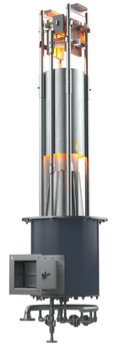
Heater Technology

Graphic

Boiler Technology

Graphic

ClearSign CoreTM Process Burner Technology

Our ClearSign CoreTM burners provide a simplified, pre-engineered and standardized direct burner replacement for traditional refinery process heaters. We believe that this product minimizes the customized engineering associated with retrofits and lends itself to mass production. The product was designed to enable quick and easy installation in single burner or multi-burner heaters or furnaces. We believe that the simplicity of the actions required to retrofit refinery process heaters with the ClearSign CoreTM technology will potentially contribute to demand for our ClearSign CoreTM process burners.

ClearSign CoreTM Boiler Burner Technology

Our ClearSign CoreTM technology for boiler burners is essentially the same as our technology for process burners, but with different component details. Boiler burners have a different orientation and internal chamber dimensions, operate with a relatively high combustion air pressure, and, in the case of small fire tube boiler burners, have a lower fuel gas pressure. Our go to market strategy of incorporating the ClearSign CoreTM technology into a typical OEM process burner is the same as for our boiler burners.

ClearSign CoreTM Flaring Burners

Our ClearSign CoreTM flaring technology incorporates the same mechanisms as our burner technology, namely directing the fuel gas (typically waste gas), into an air stream with that air and gas mixture forming a flame stabilized downstream on a flame stabilizing structure. This technology has been configured into standard designs that can be used to provide a flare product with extremely low NOx emissions. We have also designed standardized flare system configurations that enable us to leverage our specialty flare burner technology to provide high value flare systems, including controls components and stack elements. We believe that expanding our scope to include complete or partial systems will enable us to significantly increase the revenue and profit from our flare product sales.

6

Table of Contents

ClearSign Eye Flame Sensor

The ClearSign Eye flame sensor is an electrical flame sensor for industrial applications. Unlike the traditional technology, called “flame rods,” the ClearSign Eye sensing electrodes do not need to make contact with the flame. We are in the process of commissioning some “first adopter” installations of this patented sensing technology through a pilot program to assess the sensor’s capabilities in industrial scale heaters. We have multiple options open to us as channels to market, one of which includes manufacturing the sensors ourselves as an OEM and selling them to customers either directly or indirectly through intermediaries, and another being licensing. We believe that the current available flame sensors are unreliable and require frequent maintenance. As a result, we believe that our sensing technology is valuable because it potentially provides a very reliable alternative or replacement technology for critical industrial burner safety equipment. Our flame sensors can also potentially be used with other combustion equipment such as flares, thermal oxidizer burners and boiler burners.

Our sensing technology can detect the capacitance of a flame while being physically outside of the flame envelope. As a result, our sensors can be easily retrofitted into existing burner technology. In addition, because the entire sensor probe can be positioned in a cool region, the ClearSign Eye can be manufactured with electrodes that have an optimized shape to provide the most robust signal and using processes and materials that provide an extremely long functional life.

Development of Our Technology

To date, we have deployed our ClearSign CoreTM technology through retrofits and replacements of existing burners and complete replacement units in the case of our process burner and boiler burner products. Retrofits often involve engineering around an existing burner and heater architecture that can complicate the ClearSign CoreTM burner installation, whereas replacements are more straightforward and more amenable to being sold and installed by third parties, enabling more expansive channels to market. Because of this, we have focused the development of our technology to provide designs that can be included into our prospective customers’ equipment as self-contained modules or assemblies rather than projects involving the re-engineering of existing burner systems. In this form, we believe that the ClearSign CoreTM burner technology is ideally suited for installation into new heaters and as burner replacements into existing heaters, including heaters and furnaces requiring large quantities of burners. In addition, this strategy also provides for simple new burner installations, or burner replacements to reduce emissions in boilers ranging from small fire tube boilers to potentially large water tube boilers. We have also developed the ClearSign CoreTM flare technology into similar repeatable forms to aid its inclusion in typical industry installations or as complete flaring systems.

For simplification and marketing, we have adopted the term “ClearSign Core” to refer to the inclusion of our standardized proprietary combustion technology into a variety of combustion equipment types including, but not limited to, process heater burners, boiler burners, burners for thermal oxidizers and flares. Earlier ClearSign technology-based heater retrofits, in which a continuous ceramic “wall” was suspended above the existing burners, also continue to operate, and are referred to as “Duplex” technology. Although the combustion controlling principles of both the “ClearSign Core” and “Duplex” technologies are the same, ClearSign CoreTM products have standardized technology that we believe are easier to use and install, and which also enables diversified channels to market.

ClearSign CoreTM burners currently operate in multiple boilers, heaters and flares and meet new compliance standards enacted by state air authorities. We also have products in commercial use in Europe. As noted above, our principal technologies have been developed into standardized designs. Our business development activities are now focused on developing customer acceptance and adoption within what we believe are the most efficient channels to market. The industries using our technology take a conservative approach to adopting new technology and place significant reliance on references from existing customers when selecting new equipment. A major focus of our current business development activities is to make early sales and build our reference list in the process burner, flare, and boiler burner industries. We also seek to provide comprehensive technical support to our sales efforts as well as demonstrate our technology and products in operation. We are currently able to demonstrate our products while operating in rental boilers, industrial scale process burner test furnaces, and at customer locations when permissible.

ClearSign Core Technology Product Applications

To date, we have deployed our ClearSign CoreTM technology through the replacement of existing burners. As noted above, retrofits often involve engineering around an existing heater architecture that can complicate the installation. By developing our ClearSign CoreTM technology into a replacement product, we have been able to standardize our designs and simplify supply chain

7

Table of Contents

demands. In addition, we have collaborated with heater OEM’s for the purpose of incorporating our ClearSign CoreTM technology into their typical product lines. We believe that this further development of our products has greatly increased our ability to collaborate with partners to extend our potential market reach and the resources we make available to our prospective customers.

Process Heaters in the Oil Refining, Petrochemical and Gas Processing Industries

To date, we have retrofitted fourteen process heaters with our new ClearSign CoreTM process burners for refineries and fuel distributors, some of which are owned by global supermajor companies and Fortune 500 companies. Sites include five locations in California and one in Europe. The ClearSign CoreTM design provides a more simplified and standardized direct burner replacement for traditional midstream and refinery process heaters. We believe that significant portions of these burners have the potential to be mass produced and provide the potential to reduce the need for the customized engineering associated with typical retrofits. The ClearSign CoreTM design (including our “M-Series” burner line) is our most developed burner product. It operates essentially in the same way as a standard burner, including fitting into a heater and integrating with existing control systems. We believe that this product is suitable for licensing as well as potential manufacturing arrangements with OEMs that have established manufacturing and distribution capabilities. At this time, we have a collaboration agreement in place with Zeeco Inc., one of the world’s largest combustion equipment manufacturers (“Zeeco”). This agreement affords ClearSign the ability to use Zeeco’s industrial scale test facility, subcontract manufacturing of burners, coordinate marketing initiatives and seamlessly communicate with sales resources. This agreement confirms the cooperation between the two companies, and allows for various forms of collaboration, and the ongoing progression of our relationship as both parties deem mutually beneficial.

In 2021, we received our first international purchase order for a ClearSign CoreTM refining process heater from a global supermajor refining company. This marked the second order we received from a global supermajor company. This international order was installed in 2021 and was successfully placed it into full operation by the customer in January 2022. In addition, we fulfilled a multi-burner order for a Fortune 500 infrastructure company that continues to consistently meet all performance requirements including compliance with the California site’s air quality permit. The process burner installed at this site was used by SCAQMD to set new BACT guidelines (see discussion above under the “Our Industry” section above). We also received a purchase order in 2022 from a California refinery for our ClearSign CoreTM process burners, amounting to twenty burners for two separate heaters. Due to project delays, which were outside of our control, the process burners for this order were shipped to the jobsite during the third quarter of 2024 and were installed during the third quarter of 2025. The burners for this order remain operational and have met applicable emissions requirements; however, as of the date of this report, we are in the process of modifying these burners to complete their contractual performance requirements at high firing rates. On May 18, 2023, we received an order for thirteen process burners from an existing California refinery customer. The order covered retrofitting two heaters, both of which have been installed and are currently operating. The process burners installed in both heaters have passed the customer’s NOx emissions permit level, which were validated by third-party inspectors. On November 27, 2024 we received an order from Birwelco USA Inc. (a BIH Group company) (“Birwelco”) for twenty-six burners to be installed in a Gulf Coast facility operated by a Fortune 500 global chemical company. These burners have been delivered to the customer and, as of the date of this report, their installation is anticipated to occur on or around the middle of 2026.

In 2023, we received a purchase order from a heater manufacturer to install a forced air ClearSign CoreTM burner into a horizontally fired process heater. The end customer was a chemical company located in Texas. This project was a significant achievement for us, since it gave us the ability to demonstrate a new product offering, which we have branded the “M-Series” (including the M-1 and M-25 burners). Since that first order in 2023, we have received five more orders for this same type of application and several requests from customers seeking bids for future project work. We believe these orders are representative of an underserved and growing market opportunity in low emissions burners for horizontally fired process heaters. Two of these orders are in the state of Texas, and are believed to be associated with anticipated changes to Texas air emissions regulations, which we expect will ultimately lead to additional demand for our technology. Due to the growing demand from our heater OEM customers, we developed a mid-range “M-Series” burner, the M-25 burner, to serve markets where the most stringent NOx regulations are not required, but there is still a demand for improved burner technology. To date, we have received two orders for this type of burner and issued several proposals in response to customer bid requests. We believe that this burner provides us with a significant opportunity to sell our products into a large and growing midstream gas processing and transportation industry.

As we seek to expand the markets into which we can sell our products, we plan to continue extending the range of ClearSign CoreTM process burners to enable the replacement of other burner types and configurations, as well as for use in alternate process applications.

8

Table of Contents

Hydrogen Process Burners

We have recently completed the technical research and development phase of the one-hundred percent hydrogen capable ClearSign CoreTM process burner project. The goal of this project is to develop an ultra-low NOx hydrogen burner, which we believe will enable the adoption of hydrogen fuel for industrial heating, leading to reductions in the industrial emissions of both carbon dioxide and nitrogen oxides. Current burners and previous efforts to decarbonize industrial combustion processes through the utilization of hydrogen fuel are inhibited by the lack of industrial hydrogen burners capable of burning pure hydrogen while controlling emissions of NOx emissions to the most stringent levels required in the industry.

We have received two grants from the DOE to fund the development of this technology. In total, the DOE awards approximate $1.9 million in the aggregate, with a target end date for the project occurring in the first quarter of 2026. See “Note 13 – Government Assistance” for further details about these monies. As of the date of this report, we have proven that a modified version of our ClearSign CoreTM process burner can burn “pure” hydrogen fuel while maintaining ultra-low NOx emissions by firing this burner in an industrial scale test facility. We believe that the findings from this research and development project have proven to be a valuable addition to the advancement of our technology, affording us the ability to solve highly complex problems related, but not limited to, complex multiple fuel feedstocks.

Industrial Commercial Boilers

Boilers are used in many industrial applications, and smaller scale commercial and residential applications, to generate steam and hot water. Several boiler manufacturers produce many styles of boiler equipment for these different applications. In our target markets, boilers exist in two different industry-standard forms: water tube, which tend to be larger and in which the water or steam flows through a series of tubes that surround the space in which the flame forms; or fire tube in which the flame is formed inside a large tube that passes through the outer vessel holding the water.

Our “Core” boiler burner technology has been developed to enable it to be used in a series of consistently designed firetube boilers. For fire tube products, we have developed our own patent protected burner replacement product that is similar in concept to our ClearSign CoreTM burners for process heaters. These boiler burners have achieved performance levels meeting the most stringent California NOx-related regulations in a typical commercial fire tube boiler produced by one of the industry’s largest suppliers in the U.S. For instance, through our collaboration agreement in place with California Boiler to sell, deliver, install and service fire tube boiler burners in the U.S., we were able access larger sizes of fire tube boilers in order to verify the function of a range of fire tube boiler burners.

In 2023, we received two purchase orders for our ClearSign CoreTM boiler burner technology. Both boiler burner purchase orders were sold as a package with our collaborative partner, California Boiler, and its subsidiary, Rogue Combustion, into the San Joaquin Valley Air Pollution Control District of California. The NOx emission permits for these boilers vary, with one boiler noted at 5ppm and the other at 2.5ppm. Third-party source testing has validated the 5ppm and 2.5ppm emission orders. In 2024, we received three additional orders from Rogue Combustion with one of these three orders accompanied by a letter of intent for three follow-on orders. During 2025, our partner California Boiler, and its subsidiary Rogue Combustion submitted several proposals to customers seeking bids for our boiler burner technology and new boilers containing our boiler burner technology, but no purchase commitments were received during 2025.

Wellhead Enclosed Flares

Based upon discussions with local regulators and the examination of regulatory reports, we believe that certain regions are targeting enclosed flare emissions for increased future regulation. California, for example, has already added new low NOx emissions regulations for flares. We have adapted ClearSign Core™ technology to suit this application. Our collaboration agreement with the field engineering and servicing company California Boiler includes flare sales and installation. To date, we have four flare units installed and operating in California resulting from our collaboration with California Boiler.

During 2025, we received purchase orders from an existing California energy company for the major components of two retrofit flare systems. These orders varied in scope and value and included characteristics such as burner fabrication, stack fabrication, controls equipment sourcing, Computational Fluid Dynamic (“CFD”) study, engineering study and engineering services. We have continued to submit bids to this customer for future projects. We have also submitted a bid for a thermal oxidizer project, which utilizes a similar technology to our flare products, in Colorado where the customer sought our emissions control technology to increase their total processing output without exceeding their current applicable permitted emissions quota. We believe that the

9

Table of Contents

increase in flare and thermal oxidizer orders during 2025 and related bids further advances our prediction that local regulators are targeting NOx flare and thermal oxidizer emissions.

OTSGs for the Enhanced Oil Recovery Industry

We have successfully installed our Duplex technology in three OTSG projects in the enhanced oil recovery industry in California. Field data reported by our customers indicates significant efficiency improvements resulting from the installation of the ClearSign technology. We believe our new standardized “M-Series" burner range of products is also well-suited to this application.

Sensing Products

We are currently engaged with two refining customers to install our flame sensors on burners in their heaters, which will facilitate our first field demonstrations with certain first adopter customers. Although we have not yet completed commercialization of these products, we have obtained clear and consistent customer feedback guiding this product application. The target market for this technology is potentially every burner with a pilot on which flame sensors are deployed, providing a global and very high-volume opportunity. This market is not limited by emissions mandates or the type or manufacturer of the burners. The product has value for retrofit applications, where it is applied to existing burners, and for new burners, where it can be installed in burners by other burner OEMs.

We are assessing the possibility of manufacturing the sensing products ourselves as well as partnering with one or more established OEM suppliers. Demonstration units have been manufactured and we currently have the ability to manufacture the sensor ourselves for the foreseeable future. We are also exploring alternative paths to monetize the technology, including opportunities to license our technology.

The fundamental technology for the sensors envisioned for transport applications is the same as for the flame sensors, but the application and form of the final product will be very different. We have received notable interest in this product from a major global customer giving us the confidence that there is a potential market for this technology, which is therefore worthy of future investment. As a result, we believe that the interest we have received to date suggests that this could potentially be a significant future business opportunity for us. This sensor product, however, is in the very early stages of development and would be deployed in a highly regulated environment requiring a thorough product development process. We entered into a collaboration agreement with Narion, which allows us to leverage their technical expertise in this area to further develop our technology for this potential market.

Our Target Markets

Our ClearSign CoreTM products compete in the combustion and emissions control markets. These industries are highly competitive and currently dominated by companies that have comparatively more established products and substantially greater infrastructure, customer support networks, and financial resources. Based on testing and completed field installations to date, however, we believe that our ClearSign CoreTM technology provides several unique and powerful business solutions for our customers, including, but not limited to: (i) overall cost-effective installation, (ii) energy efficiency, (iii) operational performance and (iv) significantly reduced emissions. Further, we believe that our technology is well-suited to create substantial synergistic value by incorporating it into mainstream commercial offerings with the market incumbents, thus leveraging the “ClearSign Core” technology along with the established breadth and capabilities of collaborating companies, such as Zeeco and California Boiler.

We are targeting the following segments of the combustion market for adoption of our ClearSign CoreTM technology:

refining, energy infrastructure and petrochemical process heaters;
enclosed flares and thermal oxidizers;
midstream gas processing and transportation;
enhanced oil recovery steam generators; and
institutional, commercial and industrial boilers.

In each of these segments, we are marketing solutions that include our ClearSign CoreTM technology which we believe could simultaneously improve productivity, operational efficiency and pollution control.

Our target markets are greatly affected by air emission regulations and economic conditions. Accordingly, we prioritize our activities in target market segments geographically based on the needs of the local industries and the current and anticipated future

10

Table of Contents

requirements imposed by local environmental regulations. See the sections titled “Our Industry” and “Government Regulations” in this report for more details regarding the localized effect of environmental regulations in the United States. In general, our immediate regional opportunities are in the West and Gulf Coasts of the United States.

Competition and Barriers to Entry

The industry in which we operate is global in scope and populated by large, established suppliers of burners and post-combustion air pollution control systems. These suppliers possess resources that are substantially greater than ours. Worldwide, suppliers of burners and air pollution control equipment include but are not limited to companies such as Callidus, Eclipse and Maxon (all three are subsidiaries of Honeywell), John Zink Hamworthy Combustion (a subsidiary of Koch Industries and including Coen), General Electric, Haldor Topsøe, Hitachi, Linde, Zeeco, Fives Group, Cleaver Brooks, Power Flame (a subsidiary of Aztec Inc.), among others.

These companies provide systems that include low and ultra-low NOx burners, selective and non-selective catalytic reduction systems, and other pollution control technologies. They are well-established and their combustion and emissions control systems are based mostly on mature, well-understood and proven technologies. As a result of the relatively slow pace of developing and adopting innovation, we believe the technology and products currently being offered by our large competitors have become commoditized with differentiation between suppliers most often based on price. We believe that these industry characteristics provide both an opportunity and a barrier to more nimble, disruptive companies.

From a customer’s perspective, installation of legacy air pollution control technologies is viewed as a method of avoiding fines, as a cost of doing business, and as a means to operate within current and anticipated future regulatory requirements.

Unlike most other kinds of capital equipment that provide an economic return through enhanced productivity or efficiency, we believe customers of traditional emissions control equipment do not expect any positive return on emissions control investments other than the ability to continue to operate or avoid fines. We believe that the ClearSign CoreTM suite of products are further differentiated from its competitors because they give prospective customers the opportunity to greatly reduce capital investment and, in certain cases, realize a return on investment through increased efficiency and/or increased productivity.

As indicated above, we are seeking to develop our business in the combustion and emissions control market and to establish ourselves in a highly competitive industry among companies that have substantial financial resources, a well-developed infrastructure and established products. Our business development strategy seeks to obtain recognition of our technology’s value while minimizing the challenges inherent in this market including the strengths of the other market participants.

Major barriers faced by a new equipment manufacturer seeking to enter this market include:

1.

Developing engineering, order fulfillment and customer service staff: Especially in the refining and petrochemical industries, customers require specialist support throughout the life cycle of the combustion equipment including with order execution when purchasing. Recruiting and developing sufficient staff with the special skills necessary to provide the level of service required by customers in this market would take time and result in a significant ongoing overhead cost.

2.

Developing operational infrastructure: Especially in the refining and petrochemical industries, customers require thorough quality assurance procedures, including demonstration of an item from their order, to prove that it meets performance guarantees. This requires, among other things, having access to a test furnace. Developing such an operation would require significant investment and ongoing costs.

3.

Conservative customers: Our customers are very careful and methodical about adopting a new technology or product because of the complexity of their infrastructures, the cost of downtime in any part of a processing plant and the potential safety hazards of their operations.

4.

Profit opportunity: There is very little differentiation between the products offered by the established burner equipment providers, which results in thin profit margins for the sale of new or replacement burners. A significant portion of a company’s profit results from the sales of replacement parts and equipment upgrades. Any new entrant without a differentiating technology will not have this established source of significant and immediate profit.

11

Table of Contents

Go to Market Strategy

We developed our “go to market” strategy for the ClearSign CoreTM combustion business considering our strengths and weaknesses. The most important weaknesses are related to the barriers to entry identified above. We are a small company with limited financial resources and do not have the infrastructure to meet the requirements of our sophisticated target global customers without significant investment and increase in operational costs. Further, although we have highly skilled and experienced employees, we do not have the manpower to provide comprehensive service and customer support ourselves. We believe that it is in the best interests of the Company and our stockholders to develop our business utilizing an “asset light” model. Accordingly, we continuously seek to collaborate with strategic partners to the extent possible to sell our products and maximize the profitability of those sales.

We believe that our technology is our main strength, which has been developed to provide a standard set of “core” components that can be incorporated into any generic OEM burner body. These components enable unique performance that minimizes emissions and controls flame size. We believe that our strengths also include the market opportunity potentially created by new and anticipated environmental emissions control regulations. These regulations will potentially require combustion performance that either exceeds the technology available from the incumbent equipment manufacturers or require retrofitting existing equipment with a post-combustion clean up apparatus, which is very expensive, especially for small to mid-sized heaters. We believe that the incumbent burner OEM product development approaches are, and will continue to be, incremental in nature, and are unlikely to pose a significant threat to the value provided by our ClearSign CoreTM technology in the foreseeable future.

Manufacturing Footprint and Product Quality Strategy

Our business has been, and continues to be, developed with the goal of combining our technology with the infrastructure and resources of major OEM equipment manufacturers. Through such business relationships, OEM burner manufacturers can reap the benefits of adding truly differentiated and unique product lines to their offerings and we can overcome the barrier to market of needing to build capital and operating expense-intensive infrastructure and hiring a large specialist staff. We also believe that having orders fulfilled by well-known and trusted suppliers will reduce the risk, as perceived by prospective customers, of dealing with a smaller company. We expect that developing strategically chosen collaborative business arrangements will result in our ability to supply ClearSign CoreTM technology to major global customers in large quantities together with the attendant engineering, quality control, customer support and project management services required by these sophisticated customers. We also believe that our collaborative business arrangements will enable our OEM relationships to offer a unique product in the marketplace and provide both parties with a potentially significant commercial opportunity. Forming such collaborations and relationships is expected to dramatically accelerate the global sales and market adoption of our technology.

As announced in June 2019, we already have an agreement in place with Zeeco, who is one of the world’s largest burner manufacturers, to globally manufacture ClearSign CoreTM process burners. In December 2024, Zeeco and us announced the launch of a co-branded ClearSign CoreTM process burner product line. We believe that this announcement marked the next stage of evolution in our relationship with Zeeco, where we will work together to market and sell ClearSign CoreTM technology. We are continuing to negotiate this next phase of our relationship, but we view this announcement as a commitment to solidify our shared marketing and sales efforts of ClearSign Core™ technology going forward.

In addition, we have a collaborative agreement with California Boiler to sell and produce both fire tube boiler burner and flare products. California Boiler created a wholly owned subsidiary Rogue Combustion for the purpose of marketing boiler burner systems solution using our ClearSign CoreTM technology, which are branded as Near Zero NOx (“NZN”), Sub 5ppm NOx (“S5”) and Sub 9ppm NOx (“S9”) solutions. Typically, boiler burner customers rely on integrated service providers to design, install and service boiler burner systems. Further, our collaborative relationship with California Boiler and Rogue Combustion aligns with our “asset light” philosophy by providing us with a low-cost path to market, by limiting human capital investment in maintenance and installation technicians.

Sales Channel and Marketing Strategy

In addition to targeting OEM manufacturers and service providers to augment our manufacturing footprint and on-time service capabilities, we target sales and marketing efforts at OEM heater companies and engineering companies supporting our refining, petrochemical and energy infrastructure customers. By focusing on this sales channel, we believe we can quickly gain repeat sales given that these customers act as a conduit to multiple end users, which also allows us to maximize the reach of our limited selling and marketing resources. As an example, as a result of adopting this go-to-market strategy, we received multiple orders originating from a single heater OEM.

12

Table of Contents

We value and nurture our relationships with end users, and we view this sales channel as a critical path to overall market acceptance, since end users ultimately own and operate our equipment. Further, by maintaining and growing such relationships, we were able to successfully enter the market and generate the first adopters of our technology. We further believe that fostering these relationships will help us drive demand for our products downstream to OEM heater manufacturers and engineering service companies. We expect that these end users, as first adopters of our technology, will also play a vital role in future sales efforts by providing references to prospective customers, given that, based on our experience, prospective customers frequently request a reference from an existing customer.

Another aspect of our marketing strategy relies on obtaining reputable third-party validation of our technology by demonstrating that our burners can meet or exceed the operational characteristics we set out to achieve. As noted above in the “Our Industry” section, the SCAQMD approved new BACT performance guidelines for both single and multi-burner configurations using our burners as part of an assessment review. While BACT guidelines do not specifically endorse our technology, we believe these new guidelines reinforce the viability of our burners’ operational capabilities to any industry skeptic. In addition, we participated in a study executed by the California Gas Emerging Technologies (“GET”) program to test and quantify the emissions improvements and efficiency gains of our ultra-low NOx boiler burner as compared to a conventional (or baseline) ultra-low NOx burner. ICF International, a global advisory and technology service company, released its independent report on October 2, 2024, detailing the results of this study. In summary, our technology reported fuel savings at 3.3% when operating at sub-2.5 ppm NOx and 4.7% at sub-9 ppm NOx; and electricity savings of 7% at sub-2.5 ppm NOx and 25% at sub-9 ppm NOx. We believe these third-party reviews of our technology play a critical role in proving the efficacy of our technologies and dispelling industry skepticism.

Pricing Strategy

We believe that the unique capabilities of our technology improve combustion equipment performance and provide significant economic value to our customers compared to the next best alternative solutions available. As a result, we expect that products containing ClearSign Core™ technology will sell at prices based on the value they offer rather than pursuant to standard competitive pricing that our competitors are forced to use in these mature markets.

Our Business Segment and Major Customers

We conduct our business activities and report financial results as one business segment. Our business segment engages in the design, development and sale of combustion technologies that improve the performance and cost-effectiveness of industrial combustion systems. The presentation of financial results as one reportable segment is consistent with the way that we operate our business and the manner in which our chief operating decision maker, currently our Chief Executive Officer, manages our operations for purposes of allocating resources and assessing financial results.

Our operating activities are substantially all located within the United States, and our customers located in the United States accounted for 100% of revenues in the fiscal years ended December 31, 2025 and 2024. Our two California refinery customers accounted for 15% and 86% of our annual revenue for the years ended December 31, 2025 and 2024, respectively, with Birwelco accounting for 66% and 0% of our annual revenue for years ended December 31, 2025 and 2024, respectively. No other customer represented greater than ten percent of annual revenues for the years ended December 31, 2025 and 2024.

For the Year Ended

December 31, 

2025

  ​ ​ ​

2024

Birwelco

66

%

4

%

Customer A

3

59

Customer B

12

27

81

%

90

%

Suppliers and Subcontractors

Due to our “asset light” model, we use subcontractors to source, warehouse and manufacture our products. This model allows us to maximize the value of our limited resources while minimizing capital investment. Our subcontractor for the process burner product line is intentionally single sourced through a collaborative agreement with a well-known and established industry leader,

13

Table of Contents

Zeeco, as described above. Our boiler burner product line is not dependent upon a single-sourced subcontractor. While we continuously assess possible improvements in productivity and supply chain efficiency, there can be no assurance that our subcontractors will not experience supply interruptions, production capacity constraints or working capital limitations, which could adversely affect our business.

Raw steel and fabricated steel parts are a major component of our product cost, purchases of which are subject to the needs and specifications of our customers or subcontractors. Periodic changes in the price of steel may affect our final product pricing to customers. In addition, increases in the costs of raw steel or other supplies may also increase our working capital requirements, warranty obligations and product profitability.

Supply interruptions, tariffs or price increases may slow production, delay shipments to our customers or increase production costs in the future, any of which could adversely affect our financial results; however, we intend to pass along production cost increases to customers to the extent we deem appropriate. We expect that delays, interruptions or non-optimal scheduling of production related to interruptions in raw materials supplies would result in an increase to our production costs. We can give no assurance that global supply-chain constraints or geopolitical conflicts will not adversely affect our ability or our subcontractors’ ability to procure raw materials and components necessary to build our products.

Research and Development Program

The experience and industry contacts of our management team and consultants, along with potential customers in the petroleum, petrochemical, and industrial steam applications industries inform our research and development program. Field evaluation agreements, research agreements, and memoranda of understanding with potential development partners, customers and research institutions support this process. Our research and development activities make use of employees and consultants who are experts in the areas of industrial combustion, statistical experimental design, fluid mechanics, computer modeling techniques and heat transfer.

With the maturation of our ClearSign CoreTM technology, our development process has transitioned from research to commercialization. This has included optimizing the technology to perform in a manner readily adoptable by our prospective customers and easy to incorporate into the burner structures of our collaborative alliance partners. This later phase of development is influenced by customer feedback, product and component standardization, design for manufacture and inventory management simplification, both with respect to the manufacture of and lifetime support for our products.

We will continue to assess research and development opportunities to develop new product offerings where appropriate based on customer feedback and market trends. We are currently continuing to develop our flame sensing and hydrogen burner technology, which is discussed in detail under the “ClearSign Core™ Technology Product Applications” section above in addition to the expansion of our burner technologies, as well as potentially other technologies aligned with our expertise and business focus, into adjacent customer applications and market verticals.

Intellectual Property Protection

We have generated inventions that we believe to be patentable subject matter and for which we have been seeking protection through patent application filings. As of December 31, 2025, we have 75 active patent grants and another 20 patents pending with Patent Offices in the United States, China, and various European countries. We maintain an active review process to monitor for new inventions across the globe that threaten our intellectual property protection. Our active patents range in age of duration from 8 years to 18 years, with the majority approximating 11 years of life remaining.

We cannot predict when our patent applications may result in issued patents, if at all. Further, we may modify a patent application in the future as we develop additional information. As a result, we may create additional patent applications from an existing application, consolidate existing patent applications, abandon applications, or otherwise modify applications based upon our judgment in order to protect our intellectual property in a reasonably cost-efficient manner.

Government Regulation

Government regulation, particularly with respect to the environment, is likely to play an important role in shaping our product mix and offerings. In addition, field implementation of our technologies requires permits from various local, state and federal agencies that regulate mechanical and electrical infrastructure and fire and air pollution control.

14

Table of Contents

Federal and state regulatory authorities have pursued regulatory and policy initiatives impacting air emissions in the United States from a variety of sources, but such initiatives continue to be controversial and subject to frequent changes and revisions depending on legal and political developments. At this time, we believe that the current U.S. administration does not support “green initiatives.” For example, in February 2026, the EPA finalized its rescission of the 2009 greenhouse gas endangerment finding under the Clean Air Act, which determined that certain greenhouse gas emissions qualify as air pollution that endangers human health or the environment. The final rule rescinding the 2009 greenhouse gas endangerment finding is expected to be challenged in the U.S. Court of Appeals for the District of Columbia Circuit and ultimately appealed to the U.S. Supreme Court for final adjudication, which could take several years. However, we believe that this final rule will have no impact on future regulations and rules regarding NOx emissions promulgated under the Clean Air Act.

We are currently not aware of any current or proposed federal, state or local environmental compliance regulations that would have a material detrimental effect on our business objectives or operations, including the recent rescission of the 2009 greenhouse gas endangerment finding by the EPA. The U.S. environmental regulation that supports the adoption of our technology originates from the Clean Air Act, as well as state laws and regulations impacting air emissions, which provides a framework for protecting and improving air quality and controlling sources of certain emissions, including NOx emissions. The Clean Air Act had several subsequent amendments specifically targeting NOx emissions, including the 1990 amendments to the Clean Air Act, or the Acid Rain Program, which contained requirements to reduce NOx emissions through the use of available combustion controls, which remains unchanged after the rescission of the 2009 greenhouse gas endangerment finding. Therefore, by itself, the rescission of the 2009 greenhouse gas endangerment finding has no impact on us, our business objectives or operations. While the current political environment may not be conducive for strengthening emissions controls at a national level, we believe global mega trends induced by social and political sentiment, and local and state regulatory requirements have laid the groundwork for continued support and adoption of our technology. In addition, we do not anticipate any major capital expenditures to be required in order for our technology to comply with any environmental protection regulations.

We believe that we offer major advances in emissions reductions and efficiency improvements. We also believe that emissions regulations could require a reduction in pollutants such as NOx thereby potentially enhancing market demand for our technology upon implementation of any such regulations. Possible legislation related to greenhouse gases, boiler Maximum Available Control Technology (“MACT”) rules, or other general reductions in required pollutant levels globally, especially in the U.S. could bolster our ability to meet our business objectives. Although the timing of any such regulations is uncertain, the general trend over the last decades continues to be government-mandated reduction for all criteria pollutants. Ultimately, it may be possible for our technology to achieve BARCT and/or MACT designation. We believe that the availability of our technology alone may accelerate the regulatory authorities’ willingness to adopt more stringent environmental regulations. Further, we believe that efficiency improvements, combined with the elimination of flame impingement, could generate market demand regardless of the existing regulatory framework because the potential efficiency, productivity and savings gains from our products could result in the adoption of our technology.

Human Capital

As of December 31, 2025, we had 15 full-time employees, and no part-time employees. Our employees are not covered by collective bargaining agreements, and we believe our relationship with our employees is good.

Corporate Information

We were incorporated in the State of Washington on January 23, 2008. Effective June 14, 2023, we changed our domicile from the State of Washington to the State of Delaware by means of a plan of conversion. The address of our corporate headquarters is 8023 East 63rd Place, Suite 101, Tulsa, Oklahoma 74133 and our telephone number is (918) 500-7312. We currently operate in the United States.

On July 28, 2017, the Company incorporated a subsidiary, ClearSign Asia Limited, in Hong Kong to represent the Company’s business and technological interests throughout Asia. Through ClearSign Asia Limited, the Company has established a wholly foreign owned enterprise in China named ClearSign Combustion (Beijing) Environmental Technologies Co., LTD. On August 22, 2024, the Company’s board of directors (the “Board”) approved to file for dormancy with Chinese regulators to suspend the Company’s Beijing, China operations. A dormancy filing allows the Company to keep its China legal entity in a suspended status for up to three years. The Company can resume its China operations at any time during those three years with minimal cost impact. The effective date of our dormancy filing was March 12, 2025.

15

Table of Contents

The name “ClearSign,” the “ClearSign Technologies Corporation” logo, and other registered or common law trademarks or service marks of ClearSign Technologies Corporation appearing in this report are the property of ClearSign Technologies Corporation. Other trademarks and tradenames referred to in this report, if any, are the property of their respective owners. Solely for convenience, trade names, trademarks, and service marks referred to in this report may appear without the ® or TM symbols. Such references are not intended to indicate, in any way, that we will not assert, to the fullest extent under applicable law, our rights or the rights of the applicable licensor to such trade names, trademarks, and service marks.

Available Information


Our website address is www.clearsign.com. The information in our website is not incorporated by reference into this report. Through a link on the “Investors” section of our website, we make available our Annual Reports on Form 10-K, Quarterly Reports on Form 10-Q, Current Reports on Form 8-K, and any amendments to those reports filed or furnished pursuant to Section 13(a) or 15(d) of the Exchange Act, as soon as reasonably practicable after they are filed with, or furnished to, the Securities and Exchange Commission (the “SEC”). You can also read any materials submitted electronically by us to the SEC on its website (www.sec.gov), which contains reports, proxy and information statements, and other information regarding issuers that file electronically with the SEC, including us.

ITEM 1A.    RISK FACTORS

We are subject to various risks that may materially harm our business, prospects, financial condition and results of operations. An investment in our common stock is speculative and involves a high degree of risk. In evaluating an investment in shares of our common stock, you should carefully consider the risks described below, together with the other information included in this report.

The risks described below are not the only risks we face. Further, these disclosures reflect our beliefs and opinions as to factors that could materially and adversely affect the Company and its securities in the future. References to past events, if any, are provided by way of example only and are not intended to be a complete listing or a representation as to whether or not such factors have occurred in the past or their likelihood of occurring in the future.

If any of the events described in the following risk factors actually occurs, or if additional risks and uncertainties later materialize that are not presently known to us or that we currently deem immaterial, then our business, prospects, results of operations and financial condition could be materially adversely affected. In that event, the trading price of our common stock could decline, and you may lose all or part of your investment in our shares. The risks discussed below include forward-looking statements, and our actual results may differ substantially from those discussed in these forward-looking statements.

Risks Related to Our Business

We are a company with a limited operating history and our future profitability is uncertain. We anticipate future losses and negative cash flows and we may never be profitable.

We are a company with a limited operating history and limited revenues to date. We have incurred losses since our inception and expect to experience operating losses and negative cash flows for the foreseeable future. As of December 31, 2025, we had a total accumulated deficit of approximately $104.5 million. We anticipate our losses will continue to increase from current levels because we expect to incur additional costs and expenses related to commercialization activities, product development, consulting costs, marketing and other promotional activities. In addition, we expect to continue incurring costs related to human capital development and strategic partnership development. We may never generate significant revenue and we may never be profitable.

If we do not receive additional financing when and as needed in the future, we may not be able to continue our development and commercialization efforts and our business may fail.

Our business is capital-intensive and requires capital investments in order for it to develop. Our cash on hand will likely not be sufficient to meet all of our long-term future needs because our target customers are, in general, slow to adopt new technologies, and we anticipate that we will require substantial additional funds in excess of our current financial resources for research, development and commercialization of our technology, to obtain and maintain patents and other intellectual property rights in our

16

Table of Contents

technology, and for working capital and other purposes, the timing and amount of which are difficult to ascertain. Until our technology generates revenues sufficient to support our operations, we plan to obtain the necessary working capital for operations through the sale of our securities, but we may not be able to obtain financing in amounts sufficient to fund our business plans. If we cannot obtain additional funding when and as needed, our business might fail.

Market acceptance of our technology and business is difficult to predict. If our technology does not achieve market acceptance, our business could fail.

If we are unable to effectively demonstrate our technology in a timely fashion, gain recognition in our market segments, and develop a critical level of successful sales and product installations, we may not be able to successfully generate sales revenue and our results of operations and financial condition would then suffer. Our ability to obtain future revenue will depend significantly upon achieving a critical mass of market awareness and sales to potential customers of our products. While we plan to achieve this awareness over time, there can be no assurance that awareness of our Company and technology will develop in a manner or pace that is necessary for us to achieve acceptance and profitability in the near term.

Further, we cannot predict the rate of adoption or acceptance of our technology by potential customers. While we have demonstrated our technology, this does not guarantee the industrial combustion market will accept it, nor can we control the rate at which such acceptance may be achieved. In certain market segments of ours, there is a well-established channel with a limited number of companies engaged in reselling to our target customers. Failure to achieve productive relations with a sufficient number of these prospective partners may impede adoption of our technology. Additionally, some potential customers in our target industries are historically risk-averse and have been slow to adopt new technologies. If our technology is not widely adopted in the industrial combustion market, we may not earn enough by selling or licensing our technology to support our operations, recover our research and development costs or become profitable and our business could fail.

Our efforts may never demonstrate the feasibility of our product.

Our research and development efforts remain subject to all of the risks associated with the development of new products based on emerging and innovative technologies, including without limitation unanticipated technical or other problems, our ability to scale our technology to large industrial applications, conditions in the field during installation and the possible insufficiency of funds for completing development of these products. Technical problems, including those specific to customer site implementation, may result in delays and cause us to incur additional expenses that would increase our losses. If we cannot complete, or if we experience significant delays in completing, research and development of our technology for use in potential commercial applications, particularly after incurring significant expenditures, our business may fail.

Changes to environmental regulations or future legislation could make our technology less desirable.

The negative environmental impacts of industrial activity have given rise to significant environmental regulation in industrialized countries. These regulations are important incentives in the adoption of technologies like ours. To the extent that environmental regulations in the U.S. and in other industrialized countries are modified in the future, or even relaxed, our technology may not produce the results required, or may even be unnecessary, to comply with the modified regulations. If federal, state or local regulatory agencies relax the clean air regulations our technologies are designed to address, or do not effectively enforce them, or our customers cannot obtain air emission permits with our products, or permits to proceed with projects in general, our business and results of operations could be materially adversely affected.

Further, on February 18, 2026, the EPA published a final rule to rescind the 2009 greenhouse gas endangerment finding (which had concluded that greenhouse gases endanger public health and welfare). While we currently do not expect this rule to materially impact our business, financial condition and results of operations, and although it is not possible at this time to predict how legislation or new regulations that may be adopted to address greenhouse or toxic gas emissions would impact our business, the impact of the results of further proceedings and rules and potential future greenhouse or toxic gas emission regulations remains uncertain, but it could be material to the extent that these developments make our technology less desirable.

We are subject to sustainability efforts risks that could adversely affect our reputation and our business and results of operations.

Views about sustainability- and environmental-related issues are diverse, dynamic, and rapidly changing. For instance, there exists anti-environmental, social and governance (“ESG”) sentiment among certain stakeholders and government institutions, which has gained momentum across the U.S. While many companies and investors continue to focus on ESG matters, there has been an

17

Table of Contents

increase in anti-ESG initiatives and sentiment which may serve as a concern in the future, particularly in light of recent executive orders by President Trump. The future impact of any actions by the current administration on existing ESG policies and regulations cannot be predicted at this time, particularly given that such new orders are likely to face legal challenges. However, in the interim, such anti-ESG-related policies, legislation, initiatives, litigation, legal opinions, and scrutiny could result in less demand for our products and offerings, which can affect our business and results of operations. Further, we could be exposed to reputational, financial, and legal risk as a result of anti-ESG policies and regulations that may be enacted under the current administration, and our ability to retain and attract customers and employees may be negatively impacted as a result thereof.

Our revenue has been highly concentrated among a small number of customers, and our results of operations could be harmed if we lose a key revenue source and fail to replace it.

Our annual revenue has been highly concentrated, with a few customers accounting for a significant percentage of our total revenue. For the years ended December 31, 2025 and 2024, our three largest customers represented approximately 81% and 86% of total revenue, respectively. We expect that a relatively small number of customers will continue to account for a substantial portion of our revenue for the foreseeable future.

As a result of this revenue concentration, our results of operations could be adversely affected by the decision of a single key customer to cease using our technology or products or by a decline in the number of customers that are seeking to adopt our technology.

Our revenue concentration may also pose credit risks which could negatively affect our cash flow and financial condition.

We might also face credit risks associated with the concentration of our revenue among a small number of customers. Our failure to collect receivables from any customer that represents a large percentage of receivables on a timely basis, or at all, could adversely affect our cash flow or results of operations.

We may fail to adequately protect our proprietary technology, which would allow our competitors to take advantage of our research and development efforts.

Our long-term success largely depends on our ability to market our technology. We rely on a combination of patents, trade secrets and other intellectual property laws, confidentiality and security procedures and contractual provisions to establish and protect our proprietary rights in our technology, products and processes. If we fail to obtain or maintain these protections, we may not be able to prevent third parties from using our proprietary technologies. Our pending or future patent applications may not result in issued patents. In addition, any patents issued to us, or that may be issued to us in the future, may not contain claims sufficiently broad enough to protect us against third parties with similar technologies or products or from third parties infringing such patents or misappropriating our trade secrets or provide us with any competitive advantage. In addition, effective patent and other intellectual property protection may be unenforceable or limited in foreign countries. If a third party initiates litigation regarding the validity of our patents and is successful, a court could revoke our patents or limit the scope of coverage for those patents.

We also rely upon trade secrets, proprietary know-how and continuing technological innovation to remain competitive. We protect this information with reasonable security measures, including the use of confidentiality and invention assignment agreements with our employees and consultants and confidentiality agreements with strategic customers and partners. It is possible that these agreements may not be sufficient or that these individuals or companies may breach these agreements and that any remedies for a breach will be insufficient to allow us to recover our costs and damages. Furthermore, our trade secrets, know-how and other technology may otherwise become known or be independently discovered by our competitors.

We may incur substantial costs as a result of litigation or other proceedings relating to patent and other intellectual property rights.

A third party may sue us for infringing its intellectual property rights. Likewise, we may need to resort to litigation to enforce our patent rights or to determine the scope and validity of third-party intellectual property rights. The cost to us of any litigation or other proceeding relating to intellectual property rights, even if resolved in our favor, could be substantial, and the litigation would divert our efforts from our business activities. Some of our competitors may be able to sustain the costs of complex patent litigation more effectively than we can because they have substantially greater resources. If we do not prevail in this type of litigation, we may be required to pay monetary damages and/or expenses; stop commercial activities relating to our products; obtain one or more licenses

18

Table of Contents

in order to secure the rights to continue the manufacturing or marketing of our products; or attempt to compete in the market with substantially similar products. Uncertainties resulting from the initiation and continuation of any litigation could limit our ability to continue some of our operations.

Adverse judgments or settlements in legal proceedings could materially harm our business, financial condition, operating results and cash flows.


We may be a party to claims that arise from time to time in the ordinary course of our business, which may include those related to, for example, our securities offerings, contracts, sub-contracts, protection of confidential information or trade secrets, adversary proceedings arising from customer bankruptcies, stockholder engagement, employment of our workforce and immigration requirements, indemnification and/or advancement obligations or compliance with any of a wide array of state and federal statutes, rules and regulations that pertain to different aspects of our business.


Regardless of the merits of any particular claim, responding to such actions could divert time, resources and management’s attention away from our business operations, and we may incur significant expenses in defending these lawsuits or other similar lawsuits. The results of litigation and other legal proceedings are inherently uncertain, and adverse judgments or settlements in some of these legal disputes may result in adverse monetary damages, penalties or injunctive relief against us, which could have a material adverse effect on our financial condition, operating results and cash flows. Any claims or litigation, even if fully indemnified or insured, could damage our reputation and make it more difficult to compete effectively or to obtain adequate insurance in the future.


Furthermore, while we maintain insurance for certain potential liabilities, such insurance does not cover all types and amounts of potential liabilities and is subject to various exclusions as well as deductibles and caps on amounts of coverage. Even if we believe a claim is covered by insurance, insurers may dispute our entitlement to coverage for a variety of potential reasons, which may affect the timing and, if the insurers prevail, the amount of our available insurance coverage for a particular claim. Further, whether or not we are named as a party to a particular proceeding or threatened proceeding, we may be subject to indemnification and/or advancement obligations to our current directors and executive officers as well as other third parties, which may include former directors, that could subject us to fees and expenses incurred in connection with any threatened proceedings, or proceedings, and possibly liability for damages or other amounts that may be payable as a result of any judgments or settlements.


We may also be required to initiate expensive litigation or other proceedings to protect our business interests. There is a risk that we will not be successful or otherwise be able to satisfactorily resolve such claims or litigation. Litigation and other legal claims are subject to inherent uncertainties. Those uncertainties include, but are not limited to, litigation costs and attorneys’ fees, unpredictable judicial or jury decisions and the differing laws and judicial proclivities regarding damage awards among the states in which we operate. Unexpected outcomes in such legal proceedings, or changes in management’s evaluation or predictions of the likely outcomes of such proceedings, could have a material adverse effect on our business, financial condition, results of operations and cash flows. Our current financial status may increase our default and litigation risks and may make us more financially vulnerable in the face of threatened litigation.

A cybersecurity incident or other technology disruptions could negatively impact our business and our relationships with customers.

We use computers in substantially all aspects of our business operations. We also use mobile devices and other online activities to connect with our employees, consultants, suppliers and customers. Such uses give rise to cybersecurity risks, including security breaches, espionage, system disruption, theft, the compromise of trade secrets and inadvertent release of information. Our business involves the storage and transmission of sensitive and/or confidential information and intellectual property, including customers’ and suppliers’ information, private information about employees and financial and strategic information about us. If we fail to assess and identify cybersecurity risks associated with our operations, we may become increasingly vulnerable to such risks. Additionally, while we have implemented measures to prevent security breaches and cyber incidents, our preventative measures and incident response efforts may not be entirely effective. The theft, destruction, loss, misappropriation, or release of sensitive and/or confidential information or intellectual property, or interference with our information technology systems, could result in business disruption, negative publicity, brand damage, violation of privacy laws, loss of customers, potential liability and competitive disadvantage all of which could have a material adverse effect on our business, financial condition or results of operations.

19

Table of Contents

We cannot guarantee that any collaborative business research and development partnership we enter into will be successful.

Collaborative arrangements involve risks that participating parties may disagree on business decisions and strategies. These disagreements could result in delays, additional costs, risks of litigation, and failure of the development of our technology within the combustion market segment. Success of any collaborative arrangements we enter into will depend, in part, on whether those with whom we collaborate fulfill their contractual obligations satisfactorily. If a party with whom we collaborate fails to perform its contractual obligations satisfactorily, we may be unable to make the additional investments or provide the added services that would be required to compensate for that failure. If we are unable to adequately address any such performance issues, our reputation may be materially adversely affected and we may be exposed to legal liability. Our inability to successfully maintain collaborative relationships, once we enter into them, or to enter into new collaborative arrangements, could have a material adverse effect on our results of operations.

If we are unable to keep up with rapid technological changes, our products may become obsolete.

The market for alternative environmental products is characterized by significant and rapid technological change and innovation. Although we intend to employ our technological capabilities to create innovative products and solutions that are practical and competitive in today’s marketplace, future research and discoveries by others may make our products and solutions less attractive or even obsolete compared to other alternatives that may emerge.

There are inherent dangers involved in the combustion process that utilize our technologies and products and the occurrence of any associated accident may negatively impact our business.

There is inherent danger in dealing with the combustion process. There is additional danger in modifying this process in ways that are new and have only been implemented on a limited basis at a commercial scale. There is only limited data or experience available from the operation of our equipment in both testing and commercial applications to validate suitability for general commercial use. Although we have not yet encountered any areas of risk in the development or testing of our products beyond those already inherent in the combustion process or those particular to an industrial site, we may be exposed to liabilities should an industrial accident occur during development, testing, or operation in our laboratory or during field implementation of our technology. Any such liabilities could have an adverse effect on our results of operations and financial condition and adversely affect our projected development and production estimates.

We depend on approval from various local, state and federal agencies to implement and operate our technology. There is no assurance that these agencies will approve our technology.

Our technology includes enhancement of the combustion process to reduce certain emissions at a lower cost of operation than current air pollution control devices. Field implementation of our technology will therefore require permits from various local, state and federal agencies that regulate mechanical and electrical infrastructure and fire and air pollution control. Our technology may be subject to heightened scrutiny since it will be new to these governing bodies. As such, there may be delays or rejections in applications of portions of or all of our technology in the individual jurisdictions involved.

We are uncertain of our profit margins and whether such profit margins, if achieved, will be able to sustain our business.

We have not fully developed all of our products and those products that have been developed have experienced limited sales. As a result, we cannot reliably predict our profit margins. Our operating costs could increase significantly compared to those we currently anticipate due to unanticipated results from the commercialization process, application of our technology to unique or difficult processes, regulatory requirements and particular field implementations. Further, we envision our pricing to be highly dependent on the benefits that our customers believe they will achieve using our products. Accordingly, we cannot predict whether or when we will achieve profitability, and if achieved, the amount of such profit margins.

Many of our potential competitors have greater resources, and it may be difficult to compete against them.

The combustion industry is characterized by intense competition. Many of our potential competitors have better name recognition and substantially greater financial, technical, manufacturing, marketing, personnel and/or research capabilities than we do. Although at this time we do not believe that any of our potential competitors have technology similar to ours, we are aware certain potential competitors are attempting to develop similar products. Many firms in the combustion industry have made and continue to make substantial investments in improving their technologies and manufacturing processes. In addition, they may be able to price their

20

Table of Contents

products below the marginal cost of production in an attempt to establish, retain or increase market share. Because of these circumstances, it may be difficult for us to compete successfully in the combustion market.

The loss of the services of our key management and personnel or the failure to attract additional key personnel could adversely affect our ability to operate our business.

A loss of one or more of our current officers or key employees could severely and negatively impact our operations. We have no present intention to obtain key-man life insurance on any of our executive officers or management. Additionally, competition for highly skilled technical, managerial and other personnel is intense. As our business develops, we might not be able to attract, hire, train, retain and motivate the highly skilled executives and employees we need to be successful. If we fail to attract and retain the necessary technical and managerial personnel, our business will suffer and might fail.

There are many risks we are exposed to relating to our presence and prior business activities in China.

We are exposed to risks relating to our presence and prior business activities in China. As a result, the economic, political, legal and social conditions in China could have a material adverse effect on our business.  In addition, the legal system in China has inherent uncertainties that may limit the legal protections available in the event of any claims or disputes that we may have with third parties, including our ability to protect the intellectual property we may use in China. As China’s legal system is still evolving, the interpretation of many laws, regulations and rules is not always uniform and enforcement of these laws, regulations and rules involve uncertainties, which may limit the remedies available in the event of any claims or disputes with third parties.

We cannot provide assurance that rising inflation will not adversely affect our operations.

The impact of inflation on our operating results has been moderate in recent years, despite the recent increase in inflation generally across the economy. While inflation has not had a material impact upon operating results, there is no assurance that our business will not be affected by inflation in the future.

Due to the nature of our business and products, we may be liable for damages based on product liability and other tort and warranty claims.

We face an inherent risk of exposure to claims in the event that the failure, use or misuse of our products results, or is alleged to result, in death, bodily injury, property damage, or economic loss.

Although we currently maintain product liability coverage, which we believe to be adequate for the continued operation of our business, such insurance may become difficult or impossible to obtain in the future on terms acceptable to us. Moreover, our insurance coverage includes customary exclusions and conditions, may not cover certain specialized applications and generally does not cover warranty. A successful product liability claim or series of claims against us, including one or more consumer claims purporting to constitute class actions or claims resulting from extraordinary loss events, in excess of or outside our insurance coverage, or a significant warranty claim or series of claims against us, could materially decrease our liquidity, impair our financial condition and adversely affect our results of operations. Furthermore, regardless of the outcome, product liability claims can be expensive to defend, divert the attention of management and other personnel for significant periods of time and cause reputational damage.

We cannot provide assurance that global supply-chain constraints and the threat of, or implementation of tariffs on imported or exported goods and materials will not adversely affect our commercialization efforts and business operations.

The impact of the global supply-chain constraints has been moderate for our company, reflecting generally modest increases in lead-time commitments from our suppliers and strategic partners. While these constraints have not had a material impact to-date, we can provide no assurance that our business will not be affected by in the future. Our products utilize components manufactured from materials that are frequently imported, and any increase in the cost of materials may increase costs and may impact our profit margin on goods sold. Tariffs applied to exported goods may inhibit our ability to develop our business overseas. In addition, the countries from which our products and materials are manufactured or imported may, from time to time, impose additional quotas, duties, tariffs, or other restrictions on their imports or adversely modify existing restrictions. Adverse changes in these import costs and restrictions, or our strategic partners’ and suppliers’ failure to comply with customs regulations or similar laws, could harm our business. However, it is not always possible to replace a supplier on short notice without disruption in our operations, and replacement of a supplier is often at higher prices.

21

Table of Contents

Further, the materials that our subcontractors may import from time to time are generally at prices that support our current operating margins. These imports may be subject to custom requirements, tariffs, and quotas set by governments through mutual agreements or unilateral actions. The U.S. tariffs on steel and other imported goods may increase the costs of our foreign sourced materials, and any escalation in the tariffs may increase the impact, including without limitation recent tariffs against goods imported from China, Mexico, and Canada enacted by the current administration, as modified from time to time, and any retaliatory tariffs issued in response thereto. In case our operating costs increase materially as a result of any implemented tariffs, in order to sustain current operating margins, we may increase the costs of our products to customers and end users, or find alternative, similarly priced sources that are not subject to tariffs, which may delay our operations. If we are unable to effectively implement countermeasures to any proposed, or implemented, tariffs, our operating margins will be impacted.

Our subcontractors ability to import products in a timely and cost-effective manner may also be affected by conditions at ports or issues that otherwise affect transportation and warehousing providers, such as port and shipping capacity, high demand for ocean freight, labor disputes, hostilities or terrorism against ocean vessels or changes in shipping routes to avoid the same, severe weather, or increased homeland security requirements in the U.S. and other countries. These issues could delay importation of materials, increase our transit costs, or require us to locate alternative ports or warehousing providers to avoid disruption to customers. These alternatives may not be available on short notice or could result in higher transit costs, which could have an adverse impact on our business and financial condition.

We are dependent on third-party suppliers.


Although we are not dependent on any one supplier, we are dependent on the ability of our third-party suppliers to supply our raw materials, such as raw steel and fabricated steel. The third-party suppliers upon which we depend may default on their obligations to us due to bankruptcy, insolvency, lack of liquidity, adverse economic conditions, operational failure, fraud, loss of key personnel, or other reasons. We cannot assure that our third-party suppliers will dedicate sufficient resources to meet our scheduled delivery requirements or that our suppliers will have sufficient resources to satisfy our requirements during any period of sustained demand. Failure of suppliers to supply, or delays in supplying, our raw materials or certain components, or allocations in the supply of certain high demand raw components, for any reason, including, without limitation, disruptions in our suppliers’ business activities due to cybersecurity incidents, terrorist activity, public health crises (such as coronavirus), fires or other natural disasters could materially adversely affect our operations and ability to meet our own delivery schedules on a timely and competitive basis.  Additionally, our third-party suppliers may provide us with raw materials or component parts that fail to meet our expectations or the expectations of our customers, which could subject us to product liability claims, other claims and litigation.

Failure of third parties to manufacture quality products or provide reliable services in a timely manner could cause delays in developing, constructing, and operating our projects, which could damage our reputation, adversely affect our partner relationships or adversely affect our growth.

Our success depends on our ability to develop, construct, and operate projects in a timely manner, which depends in part on the ability of third parties to provide us with timely and reliable products and services. In developing, constructing, and operating our projects, we rely on products meeting our design specifications and components manufactured and supplied by third parties, and on services performed by subcontractors. We also rely on subcontractors to perform substantially all of manufacturing work related to our projects, and we may need to engage subcontractors with whom we have no experience.

We currently have a collaboration agreement in place with Zeeco. If Zeeco or any of our subcontractors are unable to provide services that meet or exceed our customers’ expectations or satisfy our contractual commitments, our reputation, business and operating results could be harmed. In addition, if we are unable to avail ourselves of warranties and other contractual protections with providers of products and services, we may incur liability to our customers or additional costs related to the affected products and services, which could adversely affect our business, financial condition and results of operations. Moreover, any delays, malfunctions, inefficiencies or interruptions in these products or services could adversely affect the quality and performance of our projects and require considerable expense to find replacement products and to maintain and repair our projects. This could cause us to experience interruption in our production and distribution of our products, difficulty retaining current relationships and attracting new relationships, or harm our brand, reputation or growth. Additionally, because the Company’s contracts generally include progress payments from customers upon the completion of certain defined milestones, the revenue recognition of such project will depend on our subcontractor’s services in order for us to be able to achieve such milestones timely. Any subcontractor delays in fulfilling our

22

Table of Contents

contracts may result in delay of revenue recognition by the Company, which in turn can affect our financial condition and results of operations.

Macroeconomic pressures in the markets in which we operate may adversely affect our financial results.

Geopolitical issues around the world can impact macroeconomic conditions and could have a material adverse impact on our financial results. For example, the ultimate impact of the conflict in Ukraine, Israel, Venezuela, Iran and Strait of Hormuz on fuel prices, inflation, the global supply chain and other macroeconomic conditions is unknown and could materially adversely affect global economic growth, disrupting discretionary spending habits and generally decreasing demand for our products and services. While we do not purchase any of significant raw materials directly from these regions, they have significant global reach on commodity prices. Disruptions in the markets for those inputs could negatively impact the world and domestic economy. Also, these conflicts have exacerbated geopolitical tensions globally. While the demand of our services in the U.S. have not yet been affected by these conflicts, we cannot predict the impact that the conflicts may have on future financial results. For example, domestic customers for some of our product lines may choose to reduce discretionary spending on goods and services such as ours until this volatility subsides.

We are exposed to fluctuations in the market values of our investments and in interest rates, either of which could impair the

market value of our investments and harm our financial results.

As of December 31, 2025, we had investments in short-term (i.e., less than three months) U.S. treasuries and money market accounts backed by U.S. treasuries. In the future, we may invest in long- or short-term U.S. treasuries or other marketable securities with maturities of up to one year. Currently, we do not use financial derivatives to hedge our interest rate exposure.

These investments, as well as any cash deposit in bank accounts, are subject to general credit, liquidity, market, inflation and interest rate risks, which may be exacerbated by unusual events, such as higher interest rates, potential recession and debates on the debt-ceiling, which may affect various sectors of the financial markets and lead to global economic slowdown and high inflation. If the global credit and capital market continues to experience volatility or deteriorates, and to the extent we make future investments, our investment portfolio may be impacted, and we could determine that some or all of our investments experienced an other-than-temporary decline in fair value, requiring impairment, which could adversely impact our financial position and operating results.

Risks Related to Owning Our Securities

The public market for our securities is volatile. This may affect not only the ability of our investors to sell their securities, but the price at which they can sell their securities.

We completed the initial public offering of our common stock in April 2012. Since that time, our common stock (Nasdaq: CLIR) has traded as low as $3.50 per share (or $0.35 per share on a pre-reverse stock split basis) and as high as $117.50 per share (or $11.75 per share on a pre-reverse stock split basis) based upon daily closing prices, and day-to-day trading has been volatile at times. This volatility may continue or increase in the future. The market price for the securities may be significantly affected by factors such as progress in the development of our technology, agreements with research facilities or co-development partners, commercialization of our technology, variations in quarterly and yearly operating results, general trends in the alternative energy industry or clean technology industry, and changes in state or federal regulations affecting us and our industry. Furthermore, in recent years the stock market has experienced extreme price and volume fluctuations that are unrelated or disproportionate to the operating performance of the affected companies, such as the market reactions to internet marketed ‘short squeezes’. Such broad market fluctuations may adversely affect the market price of our securities.

There may be future sales of our common stock, or a perception that these sales could occur, which events could cause the price of our common stock to decline.

Sales of a substantial number of shares of our common stock in the public market or the perception that such sales might occur could materially adversely affect the market price of the shares of our common stock. For instance, the securities issued in our recent equity offerings (see “Note 9 – Equity” for additional information), as well as the shares of common stock underlying our outstanding warrants, have been registered for resale and are freely tradable without restriction or further registration under the Securities Act. As a result, a substantial number of shares of common stock may be sold in the public market, subject to certain beneficial ownership restrictions. We cannot predict the effect, if any, that market sales of those shares of common stock or the availability of those shares for sale will have on the market price of our common stock.

23

Table of Contents

We may be required to raise additional capital by issuing new securities, which may have terms or rights superior to those of our shares of common stock, which could adversely affect the market price of our shares of common stock and our business.

We will require additional financing to fund research, development and commercialization of our technology, to obtain and maintain patents and other intellectual property rights in our technology, and for working capital and other purposes. We may not be able to obtain financing on favorable terms, if at all. If we raise additional funds by issuing equity securities, the percentage ownership of our then-current stockholders will be reduced. Further, we may have to offer new investors in our equity securities rights that are superior to the holders of common stock, which could adversely affect the market price and the voting power of shares of our common stock. If we raise additional funds by issuing debt securities, the holders of these debt securities would similarly have some rights senior to those of the holders of shares of common stock, and the terms of these debt securities could impose restrictions on operations and create a significant interest expense for us which could have a materially adverse effect on our business and results of operations.

We will have broad discretion as to the proceeds that we receive from the cash exercise by any holder of our outstanding warrants, and we may not use the proceeds effectively.

We may receive up to approximately $22.4 million in aggregate gross proceeds from cash exercises of our outstanding warrants based on the per share exercise price of such warrants, and to the extent that we receive such proceeds, we intend to use the net proceeds from cash exercises of the warrants for working capital, research and development, marketing and sales, and general corporate purposes. We have considerable discretion in the application of such proceeds. You must rely on our judgment regarding the application of the net proceeds from cash exercises of the warrants, which may be used for corporate purposes that do not improve our profitability or increase the price of our shares of common stock. Such proceeds may also be placed in investments that do not produce income or that lose value. The failure to use such funds by us effectively could have a material adverse effect on our business, financial condition, operating results and cash flow.

You may experience future dilution as a result of issuance of the shares of common stock underlying our outstanding warrants, future equity offerings by us and other issuances of our common stock or other securities. In addition, the issuance of the shares of common stock underlying our outstanding warrants, to the extent our outstanding warrants are exercisable, and future equity offerings and other issuances of our common stock or other securities may adversely affect our common stock price.

You may experience future dilution as a result of the issuance of the shares of common stock underlying our outstanding warrants and other issuances of our common stock or other securities. In order to raise additional capital, if needed, we may in the future offer additional shares of our common stock or other securities convertible into or exchangeable for our common stock at prices that may not be the same as the price per share as prior issuances of common stock. We may not be able to sell shares or other securities in any other offering at a price per share that is equal to or greater than the price per share previously paid by investors, and investors purchasing shares or other securities in the future could have rights superior to existing stockholders. The price per share at which we sell additional shares of our common stock or securities convertible into common stock in future transactions may be higher or lower than the prices per share for previous issuances of common stock or securities convertible into common stock paid by certain investors. In addition, the exercise price of our outstanding warrants may be equal to or greater than the price per share previously paid by certain investors. You will incur dilution upon exercise of any outstanding stock options, warrants or upon the issuance of shares of common stock under our equity incentive programs.

We have not paid dividends in the past and have no immediate plans to pay dividends.

We plan to reinvest all of our earnings, to the extent we have earnings, in order to continue to develop our products, to market our products, to cover operating costs and to otherwise become and remain competitive. We do not plan to pay any cash dividends with respect to our securities in the foreseeable future. We cannot assure you that we would, at any time, generate sufficient surplus cash that would be available for distribution to the holders of our common stock as a dividend.

We have a significant number of options and restricted stock units outstanding and we may issue additional awards in the future to employees, officers, directors, independent contractors and agents. Sales of the underlying shares of common stock could adversely affect the market price of our common stock.

As of December 31, 2025, we had outstanding options for the purchase of approximately 287 thousand shares of common stock (or 2,871 thousand shares on a pre-reverse stock split basis) and 53 thousand shares underlying outstanding restricted stock units

24

Table of Contents

(“RSUs”) (or 526 thousand shares on a pre-reverse stock split basis). Under the ClearSign Technologies Corporation 2021 Equity Incentive Plan (as it may be amended from time to time, the “2021 Plan”) and the ClearSign Technologies Corporation 2013 Consultant Stock Plan (the “2013 Consultant Plan,” and collectively, the “Plans”), we have the ability to grant awards of shares, RSU’s or options to purchase shares of our common stock to employees, officers, directors, independent contractors and agents. Furthermore, the Plan provides for increases in the number of shares available for awards based on the terms outlined in such Plan. Certain holders may sell these shares in the public markets from time to time, without limitations on the timing, amount or method of sale. If our stock price rises, the holders may exercise their options and RSUs and sell a large number of shares. This could cause the market price of our common stock to decline.

The effective increase in the number of shares of our common stock available for issuance as a result of our reverse stock split could result in further dilution to our existing stockholders and have antitakeover implications.

The reverse stock split alone had no effect on our authorized capital stock, and the total number of authorized shares remains the same as before the reverse stock split. The reverse stock split of our issued and outstanding shares increased the number of shares of our common stock (or securities convertible or exchangeable for our common stock) available for issuance by decreasing the number of shares of our common stock issued and outstanding. The additional available shares are available for issuance from time to time at the discretion of the Board when opportunities arise, without further stockholder action or the related delays and expenses, except as may be required for a particular transaction by law, the rules of any exchange on which our securities may then be listed, or other agreements or restrictions. Any issuance of additional shares of our common stock would increase the number of outstanding shares of our common stock and (unless such issuance was pro-rata among existing stockholders) the percentage ownership of existing stockholders would be diluted accordingly. In addition, any such issuance of additional shares of our common stock could have the effect of diluting the earnings per share and book value per share of outstanding shares of our common stock.


Additionally, the effective increase in the number of shares available for issuance could, under certain circumstances, have anti-takeover implications. For example, the additional shares of common stock that have become available for issuance could be used by us to oppose a hostile takeover attempt or to delay or prevent changes in control or our management. Although our reverse stock split is prompted by other considerations and not by the threat of any hostile takeover attempt, stockholders should be aware that our reverse stock split could facilitate future efforts by us to deter or prevent changes in control, including transactions in which our stockholders might otherwise receive a premium for their shares over then-current market prices.

If we are unable to satisfy the continued listing requirements of the Nasdaq, our common stock could be delisted and the price and liquidity of our common stock may be adversely affected.

Our common stock may lose value and could be delisted from Nasdaq due to several factors or a combination of such factors. While our common stock is currently listed on Nasdaq, we can give no assurance that we will be able to satisfy the continued listing requirements of Nasdaq in the future, including, but not limited to, the corporate governance requirements and the minimum closing bid price requirement or the minimum equity requirement.


On April 1, 2025, we received a deficiency letter from the Nasdaq Listing Qualifications Department of Nasdaq notifying us that, for 30 consecutive business days, the closing bid price of our common stock was below the minimum $1.00 per share required for continued listing pursuant to Nasdaq Listing Rule 5550(a)(2). The Nasdaq deficiency letter had no immediate effect on the listing of our common stock, and we were initially given 180 calendar days, or until September 29, 2025, to regain compliance with Nasdaq Listing Rule 5550(a)(2), which was extended by an additional 180 calendar days, or March 30, 2026. On March 16, 2026, we effected a reverse stock split of our issued and outstanding shares of common stock at a ratio of one post-split share for every 10 pre-split shares. We received written confirmation from Nasdaq notifying us that we have regained compliance with Nasdaq Listing Rule 5550(a)(2) on March 30, 2026.

There can be no assurance that we will be able to maintain compliance with the continued listing requirements for Nasdaq. If we fail to maintain compliance with any such continued listing requirement, there can also be no assurance that we will be able to regain compliance with any such continued listing requirement in the future or that our common stock will not be delisted in the future.

If we were to be delisted, we would expect our common stock to be traded in the over-the-counter market which could adversely affect the liquidity of our common stock. Additionally, we could face significant material adverse consequences, including:

a limited availability of market quotations for our common stock;

25

Table of Contents

a decreased ability to issue additional securities or obtain additional financing in the future;
reduced liquidity for our stockholders;
potential loss of confidence by customers, collaboration partners and employees; and
loss of institutional investor interest.

In the event of a delisting, we can provide no assurance that any action taken by us to restore compliance with listing requirements would allow our common stock to become listed again, stabilize the market price or improve the liquidity of our common stock, prevent our common stock from dropping below the Nasdaq minimum bid price requirement, or prevent future non-compliance with Nasdaq’s listing requirements.

We have the right to issue shares of preferred stock. If we were to issue preferred stock, it is likely to have rights, preferences and privileges that may adversely affect our common stock or other securities.

We are authorized to issue 2 million shares of “blank check” preferred stock, with such rights, preferences and privileges as may be determined from time-to-time by the Board. The Board is empowered, without stockholder approval, to issue preferred stock in one or more series, and to fix for any series the dividend rights, dissolution or liquidation preferences, redemption prices, conversion rights, voting rights, and other rights, preferences and privileges for the preferred stock. No shares of preferred stock are presently issued and outstanding and we have no immediate plans to issue shares of preferred stock. The issuance of shares of preferred stock, depending on the rights, preferences and privileges attributable to the preferred stock, could adversely reduce the voting rights and powers of the common stock and the portion of our assets allocated for distribution to common stockholders in a liquidation event, and could also result in dilution in the book value per share of our common stock. The preferred stock could also be utilized, under certain circumstances, as a method for raising additional capital or discouraging, delaying or preventing a change in control of the Company, to the detriment of our stockholders. We cannot assure you that we will not, under certain circumstances, issue shares of our preferred stock.

Our certificate of incorporation (as amended, the “certificate of incorporation”) provides that the Court of Chancery of the State of Delaware is the exclusive forum for certain disputes between us and our stockholders, which could limit our stockholders’ ability to obtain a favorable judicial forum for disputes with us or our directors, officers or employees.

Our certificate of incorporation provides that, with certain limited exceptions, the Court of Chancery of the State of Delaware is the exclusive forum for:

any derivative action or proceeding brought on our behalf;
any action asserting a claim of breach of fiduciary duty owed by any director, officer or stockholder;
any action asserting a claim against us arising under the Delaware General Corporation Law (“DGCL”), or as to which the DGCL confers jurisdiction on the Court of Chancery of the State of Delaware;
any action arising pursuant to any provision of our bylaws or certificate of incorporation; and
any action asserting a claim against us or any current or former director, officer or stockholder that is governed by the internal-affairs doctrine.

This provision does not apply to suits brought to enforce a duty or liability created by the Securities Act, the Exchange Act or any other claim for which the U.S. federal courts have exclusive jurisdiction. In addition, unless we consent in writing to the selection of an alternative forum, to the fullest extent permitted by law, the federal district courts of the United States of America shall be the exclusive forum for the resolution of any complaint asserting a cause or causes of action arising under the Securities Act, including all causes of action asserted against any defendant to such complaint.

For the avoidance of doubt, this provision is intended to benefit and may be enforced by us, our officers and directors, the underwriters to any offering giving rise to such complaint, and any other professional entity whose profession gives authority to a statement made by that person or entity and who has prepared or certified any part of the documents underlying the offering. However, these choice of forum provisions may limit a stockholder’s ability to bring a claim in a judicial forum that it finds favorable for disputes with us or our directors, officers, or other employees. Further, these choice of forum provisions may increase the costs for a stockholder to bring such a claim and may discourage them from doing so.

26

Table of Contents

While the Delaware courts have determined that such choice of forum provisions are facially valid, a stockholder may nevertheless seek to bring a claim in a venue other than those designated in the exclusive forum provisions, and there can be no assurance that such provisions will be enforced by a court in those other jurisdictions. If a court were to find the choice of forum provision contained in our certificate of incorporation to be inapplicable or unenforceable in an action, we may incur additional costs associated with resolving such action in other jurisdictions. For example, the Court of Chancery of the State of Delaware recently determined that the exclusive forum provisions of federal district courts of the United States of America for resolving any complaint asserting a cause of action arising under the Securities Act is not enforceable. We note that investors cannot waive compliance with the federal securities laws and the rules and regulations thereunder.

The rights of our stockholders to take action against our directors and officers are limited.

Our certificate of incorporation provides for indemnification of our directors and officers to the fullest extent authorized or permitted under Delaware law, except to the extent such exemption from liability or limitation thereof is not permitted under the DGCL as the same exists or hereafter may be amended.

Our bylaws obligates us to indemnify each of our directors or officers who is or is threatened to be made a party to or witness in a proceeding by reason of his or her service in those or certain other capacities, to the maximum extent permitted by Delaware law, from and against any claim or liability to which such person may become subject or which such person may incur by reason of his or her status as a present or former director or officer of us or serving in such other capacities. In addition, we may be obligated to reimburse the expenses reasonably incurred by our present and former directors and officers in connection with such proceedings. As a result, we and our stockholders may have more limited rights to recover money damages from our directors and officers than might otherwise exist absent these provisions in our bylaws or that might exist with other companies, which could limit your recourse in the event of actions that are not in our best interests.

We have incurred and will incur significant costs as a result of being a public company that reports to the Securities and Exchange Commission and our management is required to devote substantial time to meet compliance obligations.

As a public company reporting to the SEC, we incur significant legal, accounting, investor relations, printing, board compensation, and other expenses that we did not incur as a private company. These costs totaled $3.0 million in 2025. We are subject to the reporting requirements of the Exchange Act and the Sarbanes-Oxley Act of 2002 (with the exception of the requirement of auditor attestation of internal control over financial reporting from which we are currently excluded as a non-accelerated filer company), as well as rules subsequently implemented by the SEC that impose significant requirements on public companies, including requiring establishment and maintenance of effective disclosure and financial controls and changes in corporate governance practices. In addition, there are significant corporate governance and executive compensation-related provisions in the Dodd-Frank Wall Street Reform and Protection Act that as we grow could increase our legal and financial compliance costs, make some activities more difficult, time-consuming or costly and may also place undue strain on our personnel, systems and resources. Our management and other personnel continually devote a substantial amount of time to these compliance initiatives. Furthermore, these rules and regulations may make it more difficult and more expensive for us to obtain director and officer liability insurance, and we may be required to accept reduced policy limits and coverage or incur substantially higher costs to obtain the same or similar coverage. As a result, it may be more difficult for us to attract and retain qualified people to serve on our Board, our Board committees or as executive officers.

ITEM 1B. UNRESOLVED STAFF COMMENTS.

None.

ITEM 1C. CYBERSECURITY.

We recognize the critical importance of developing, implementing, and maintaining robust cybersecurity measures to safeguard our information systems and protect the confidentiality, integrity, and availability of our data.

27

Table of Contents

Governance

The audit and risk committee of our Board (the “Audit Committee”) oversees risks related to cybersecurity, including the security of corporate information and the steps management takes to monitor and control these risks. Management regularly briefs the audit committee on our cybersecurity risk profile, potential threats, and continuous improvement initiatives. Our approach to managing cybersecurity risks is part of a continuous improvement process, both in the context of cybersecurity and broader operational risk management. This ongoing process, which includes employee training, is aimed at routinely reviewing and, as necessary, enhancing our oversight processes and tools to ensure they remain effective and resilient in their management of cybersecurity risk.

Risk Management and Strategy

We engage a third-party Managed Service Provider (“MSP”) to implement technology infrastructure and oversee its tactical operations. Our MSP employs multiple people with experience in technical leadership, system architecture, network infrastructure and cybersecurity. We believe using an MSP provides economies of scale for a smaller-sized company such as ours, by allowing us access to a broad range of experience and tool sets that would otherwise be difficult to acquire in-house. Our MSP uses specialized third-party services and tool sets for identifying, protecting against, and detecting cyber incidents. Through these services and tools, our detection capabilities include, but are not limited to, near real-time monitoring, intrusion detection systems, and advanced analytics to identify abnormal patterns of behavior. These third-party detection tools provide near real-time alerts, log aggregation, and threat intelligence feeds.

In addition, we have engaged cybersecurity consultants, unaffiliated with our MSP, to advise management, assess our technology tools and review our cybersecurity practices. Our consultants utilized the National Institute of Standards and Technology (“NIST”) Cybersecurity Framework to assess our cybersecurity risk and governance practices. The NIST Cybersecurity Framework enables organizations, regardless of size, to apply principles and best practices of risk management to improve security and resilience.

Material Impact of Cybersecurity Threats

While to date we are not aware of any material information security breaches and have not incurred significant operating expenses related to information security breaches, we acknowledge the persistent and evolving nature of these threats, which have the potential to materially impact our business strategy, operations, and financial standing adversely. See Item 1A, “Risk Factors” under the risks related to our business section for more information. Our incident response practices require incident assessments to be conducted in concert with our Chief Executive Officer, Chief Financial Officer and MSP. This enables faster response and effective communication, including public disclosure if a material cybersecurity event were to occur.

ITEM 2. PROPERTIES.

Our principal office is located at 8023 East 63rd Place, Suite 101 Tulsa, Oklahoma 74133 with satellite offices located in Seattle and Beijing, China. At our principal office in Tulsa, we lease 3,922 square feet of office space, under a lease which expires in September 2027. Monthly minimum rent is approximately $5 thousand with an annual 2.0% increase. The Company also sub-leases 940 square feet of office space located in Seattle, Washington and 656 square feet in Beijing, China. The minimum monthly rent for our Seattle location is approximately $2 thousand with a termination date of September 30, 2026. The term of the Beijing lease began on June 1, 2024 and expires in June 2027. The monthly minimum rent for our Beijing location is approximately $3 thousand (20,000 RMB).

We believe that the facilities we currently lease are adequate to meet our needs for the immediate future, and that, should it be needed, additional space can be acquired or leased to accommodate future growth.

ITEM 3. LEGAL PROCEEDINGS.

From time to time we may become involved in various lawsuits and legal proceedings which arise in the ordinary course of business. Litigation is subject to inherent uncertainties and an adverse result in any such matter may harm our business. As of the date of this report, we are not a party to any material pending legal proceedings, except as set forth below.

28

Table of Contents

Catharine M. de Lacy, David Maley, and Judith Schrecker v. ClearSign Technologies Corporation, Case No. 2026-0082-CDW (Delaware Court of Chancery)

On January 16, 2026, Judith Schrecker, David Maley, and Catharine M. de Lacy (“Former Directors”), filed a petition for advancement in the Delaware court of Chancery for an advancement of legal fees relating to a request, by us, for the Former Directors to return material generated by the Special Committee. The advancement proceedings will effectuate an advancement of monies to the Former Directors counsel for monies incurred to represent the Former Directors in this matter. The advancement proceeding will follow a prescribed court process where the legal fees will be reviewed with the goal of concluding reasonable amount payable to the Former Directors’ counsel for representation in this matter. At the date of this report, we do not believe this proceeding will have a material adverse effect on the future operations of the Company. To account for this matter, we have accrued $180 thousand as an estimate for legal services rendered during 2025. Subsequent to December 31, 2025, the total advancement request amounted to $319 thousand.

ITEM 4. MINE SAFETY DISCLOSURES.

Not applicable.

PART II

ITEM 5. MARKET FOR REGISTRANT’S COMMON EQUITY, RELATED STOCKHOLDER MATTERS AND ISSUER PURCHASES OF EQUITY SECURITIES.

Market Information for Common Stock

Our common stock is listed on the Nasdaq Capital Market under the symbol “CLIR”.

Holders of Record

According to our transfer agent, as of March 24, 2026, we had 293 stockholders of record. This number does not include an indeterminate number of holders whose shares are held by brokers in street name. Our common stock transfer agent is VStock Transfer, LLC, 18 Lafayette Place, Woodmere, NY 11598.

Recent Issuances of Unregistered Securities

On December 31, 2025, we issued 375 shares of common stock (or 3,750 shares on a pre-reverse stock split basis), having a weighted average per share value of $8.90 (or $0.89 per share on a pre-reverse stock split basis) from our 2013 Consultant Plan to our investor relations firm, Firm IR Group LLC, for services provided in the three months ended December 31, 2025. These shares were issued in reliance upon the exemption from registration provided by Section 4(a)(2) of the Securities Act, for a transaction by an issuer not involving a public offering.

Equity Compensation Plan Information

See “Item 12. Security Ownership of Certain Beneficial Owners and Management and Related Stockholder Matters,” for information about our equity compensation plans.

Dividend Policy

We have not paid any cash dividends on our common stock to date. The payment of cash dividends in the future is dependent upon our revenues and earnings, if any, capital requirements, the terms of any indebtedness and general financial condition. The payment of any cash dividends will be within the discretion of the Board at such time. In addition, the Board is not currently contemplating and does not anticipate declaring any stock dividends in the foreseeable future.

Purchases of Equity Securities by the Issuer and Affiliated Purchasers

We had no share repurchase activity for the three months ended December 31, 2025.

29

Table of Contents

ITEM 6. [RESERVED]

ITEM 7. MANAGEMENT’S DISCUSSION AND ANALYSIS OF FINANCIAL CONDITION AND RESULTS OF OPERATIONS.

The following discussion and analysis of our financial condition and results of operations should be read in conjunction with the audited consolidated financial statements and related notes included elsewhere in this Annual Report on Form 10-K. In addition to historical information, this discussion and analysis here and throughout this report contains forward-looking statements that involve risks, uncertainties and assumptions. Our actual results may differ materially from those anticipated in these forward-looking statements due to a number of factors, including but not limited to, the risks described in the section titled “Risk Factors.”

Overview

We design and develop technologies for the purpose of decarbonization and improving key performance characteristics of industrial and commercial combustion systems, including emission and operational performance, energy efficiency and overall cost-effectiveness. Our ClearSign Core™ technology has been proven in full scale industrial test furnaces and boilers and first customer installations are currently operating in normal commercial applications. Our revenues to date have not been sufficient enough to meet operating expenses.

We have incurred losses since inception totaling $104.5 million and we expect to experience operating losses and negative cash flow for the foreseeable future. We have historically financed our operations primarily through issuances of equity securities. As of December 31, 2025, we have raised approximately $105.3 million in gross proceeds through the sale of our equity securities. We may need to raise additional capital in the future, however, the significant volatility in the capital markets may negatively affect our ability to raise this additional capital.

In order to generate meaningful revenues, our technologies must gain market recognition and acceptance to develop sufficient recurring sales. In addition, management believes that the successful growth and operation of our business is dependent upon our ability to obtain adequate sources of funding through co-development agreements, strategic partnering agreements, or equity or debt financing to support commercialization of our research and development efforts, protect intellectual property, form relationships with strategic partners and provide for working capital and general corporate purposes. There can be no assurance that we will be successful in achieving our long-term plans, or that such plans, if consummated, will result in profitable operations or enable us to continue in the long-term as a going concern.

Our costs include employee salaries and benefits, compensation paid to consultants, materials and supplies for prototype development and manufacture, costs associated with development activities including materials, sub-contractors, travel and administration, legal and accounting expenses, sales and marketing costs, general and administrative expenses, and other costs associated with an early stage, publicly traded technology company. We currently have 15 full-time employees. Because using third party expertise and resources is more efficient than maintaining full time resources, we also expect to incur ongoing consulting expenses related to technology development and some administrative, sales and legal functions commensurate with our current level of activities.

The amount that we spend for any specific purpose may vary significantly, and could depend on a number of factors including, but not limited to, the pace of progress of our commercialization and development efforts, actual needs with respect to product testing, development and research, market conditions, and changes in or revisions to our sales and marketing strategies.

Research, development, and commercial acceptance of new technologies are, by their nature, unpredictable.  Although we undertake development and commercialization efforts with reasonable diligence, there can be no assurance that the net proceeds from our securities offerings will be sufficient to enable us to develop our technology to the extent needed to create sufficient future sales to sustain operations.  If the net proceeds from these offerings are insufficient for this purpose, we will consider other options to continue our path to commercialization, including, but not limited to, additional financing through follow-on equity offerings, debt financing, co-development agreements, sale or licensing of developed intellectual or other property, or other alternatives.

30

Table of Contents

We cannot assure that our technologies will be accepted, that we will ever earn revenues sufficient to support our operations, or that we will ever be profitable. Furthermore, we have no committed source of financing, and we cannot assure that we will be able to raise money as and when we need it to continue our operations. If we cannot raise funds as and when we need them, we may be required to scale back our development by reducing expenditures for employees, consultants, business development and marketing efforts or to otherwise severely curtail, or even to cease, our operations.

Recent Developments

Board Compensation Change

On December 22, 2025, the Board, upon recommendation of the Human Capital and Compensation Committee of the Board, approved an updated director compensation policy, effective as of January 1, 2026 (the “Director Compensation Policy”). The Director Compensation Policy provides for an annual cash compensation of $60 thousand will be payable to the Company’s non-employee directors in equal quarterly installments, payable in arrears on the last day of each fiscal quarter in which the service occurred, with the amount pro-rated if a non-employee director started during a quarter. Additionally, each non-employee director may elect to receive all or a portion of his or her cash compensation in the form of RSUs, which RSUs’ fair market value will be based on the closing price of our common stock as reported on Nasdaq on the date of grant. Further, our non-employee directors will be eligible to receive non-statutory stock options grants with an aggregate fair market value of $40 thousand annually. The non-statutory stock option grants will be issued in quarterly installments, in arrears, on the last day of each fiscal quarter in which the service occurred. The RSUs and non-statutory stock options each non-employee director may receive under this Director Compensation Policy will be issued under our 2021 Plan.

Reverse Stock Split

On February 26, 2026, at our special meeting of stockholders, our stockholders approved a certificate of amendment to our certificate of incorporation (the “Charter Amendment”) to effect a reverse stock split of our outstanding shares of common stock at a ratio to be determined by the Board. On March 6, 2026, we filed the Charter Amendment with the Secretary of State of Delaware which effected a 1-for-10 reverse stock split of our outstanding shares of common stock as of 12:01 a.m. Eastern Time on March 16, 2026. As a result of the reverse stock split, every ten shares of common stock were combined into one issued and outstanding share of common stock, with no change in the $0.0001 par value per share. Holders of fractional shares received, in lieu of any fractional share, the number of shares rounded up to the next whole number at the participant level with the Depository Trust Company. All equity awards outstanding and common stock reserved for issuance under our equity incentive plans and warrants outstanding immediately prior to the reverse stock split were proportionately adjusted, and any exercise prices were proportionately increased, to reflect the reverse stock split.


Compliance with Nasdaq Minimum Bid Price Requirement

We received written confirmation from Nasdaq notifying us that we have regained compliance with Nasdaq Listing Rule 5550(a)(2) on March 30, 2026.

Critical Accounting Policies

The following discussion and analysis of financial condition and results of operations is based upon our consolidated financial statements, which have been prepared in conformity with accounting principles generally accepted in the United States of America. Certain accounting policies and estimates are particularly important to the understanding of our financial position and results of operations. These policies and estimates require the application of significant judgment by management. These estimates can be materially affected by changes from period to period as economic factors and conditions outside of our control change. As a result, they are subject to an inherent degree of uncertainty. In applying these policies, our management uses their judgment to determine the appropriate assumptions to be used in the determination of certain estimates. Those estimates are based on our historical operations, our future business plans and projected financial results, the terms of existing contracts, our observance of trends in the industry, information provided by our customers and information available from other outside sources, as appropriate. See “Note 2 – Summary of Significant Accounting Policies” to our consolidated financial statements included elsewhere in this report for a more complete description of our significant accounting policies.

31

Table of Contents

Revenue Recognition and Cost of Goods Sold.

The Company recognizes revenue and related cost of goods sold in accordance with Financial Accounting Standards Board (“FASB”) Accounting Standards Codification (“ASC”) 606, Revenue from Contracts with Customers. Revenues and cost of goods sold are recognized once the goods or services are delivered to the customer’s control or non-refundable performance obligations are satisfied. The Company’s contracts with customers generally have performance obligations and a schedule of non-refundable cancellation obligations. The contracts generally will be fully performed upon delivery of certain documents or equipment. Revenue related to the contracts is recognized following the completion of non-refundable performance obligations as defined in the contract.

The Company’s contracts generally include progress payments from customers upon completion of defined milestones. As these payments are received, they are recorded as a contract liability. Upon completion of the performance obligations and collectability is determined, revenue can be recorded. The Company records cost of goods sold based on allocated costs assigned to performance obligations. Allocations can occur based on overall estimated contract profit or readily identifiable cost assignments. For any contract in connection with which the Company is expected to incur costs in excess of the contract price, the Company accrues the estimated loss in the period such determination is made.

Deferred Costs and Cost of Sales

We recognize an asset for deferred costs incurred to fulfill a contract when those costs meet all of the following criteria: (a) the costs relate directly to a contract or to an anticipated contract that we can specifically identify; (b) the costs generate or enhance our resources that will be used in satisfying performance obligations in the future; and, (c) the costs are expected to be recovered. We capitalize contractual costs incurred for direct labor, overhead allocations, supplier costs and subcontractor costs. Costs capitalized are amortized to costs of goods sold at a point in time upon completion of contractual performance obligations based on allocated costs assigned to such performance obligations. For any contract expected to incur costs in excess of the total contractual value, we accrue the estimated loss in full in the period such determination is made.

Impairment of Long-Lived Assets

The Company tests long-lived assets, consisting of fixed assets, patents, and other intangible assets, for impairment whenever events or changes in circumstances indicate that the carrying amount of an asset may not be recoverable through the estimated undiscounted cash flows expected from the use and eventual disposition of the assets. In the event an asset in not fully recoverable a loss is recognized based on the amount by which the carrying amount exceeds the fair value of the long-lived assets. Fair value is determined based on the present value of estimated expected cash flows using a discount rate commensurate with the risks involved, quoted market prices, or appraised values depending upon the nature of the assets. Losses on long-lived assets to be disposed of are determined in a similar manner, except those fair values are reduced for the cost of disposal.

Product Warranties

The Company warrants all installed products against defects in materials and workmanship, and shortcomings in performance compared to contractual guarantees for a period specified in each contract. Accruals for product warranties are based on expected warranty experience and current product performance trends which are recorded as a component of cost of goods sold at the time revenue is recognized. The warranty liabilities are reduced by material and labor costs during the warranty period in the periods in which the costs are incurred. The Company periodically assesses the adequacy of its recorded warranty liabilities and adjusts the amounts as necessary, and such adjustments could be material if estimates differ significantly from actual warranty expense. The warranty liabilities are included in accounts payable and accrued liabilities in the consolidated balance sheets.

Research and Development

The cost of research and development is expensed as incurred. Research and development costs consist of salaries, benefits, share-based compensation, consumables, computer modeling costs and consulting fees, including costs to develop and test prototype equipment and parts. Research and development costs are offset by any funds received from strategic partners in cost sharing, collaborative projects. During the years ended December 31, 2025 and 2024, the Company received zero and $145 thousand, respectively, from such arrangements.

32

Table of Contents

Share-Based Compensation

The costs of all employee stock options, as well as other equity-based compensation arrangements, are reflected in the audited, condensed consolidated financial statements based on the estimated fair value of the awards on the grant date. That cost is recognized over the period during which an employee is required to provide service in exchange for the award, or in the case of performance options, expense is recognized over the remaining service period when the Company has determined it is probable that the performance condition will be achieved. Share-based compensation for stock grants to non-employees is determined as the fair value of the consideration received or the fair value of equity instruments issued, whichever is more reliably measured.

Results of Operations

Comparison of the Years Ended December 31, 2025 and 2024

Highlights of our annual financial performance are as follows:

For the Year Ended

(in thousands, except per share data)

December 31, 

  ​ ​ ​

2025

  ​ ​ ​

2024

  ​ ​ ​

$ Change

  ​ ​ ​

% Change

Revenues

$

5,234

$

3,596

$

1,638

45.6

%

Cost of goods sold

3,810

2,478

$

1,332

53.8

%

Gross profit

1,424

1,118

$

306

27.4

%

Research and development

1,422

1,471

$

(49)

(3.3)

%

General and administrative

6,673

6,135

$

538

8.8

%

Operating expenses

8,095

7,606

$

489

6.5

%

Other income, net

1,175

1,189

$

(14)

(1.2)

%

Net loss

$

(5,496)

$

(5,299)

$

(197)

(3.8)

%

Basic and diluted net loss per common share

$

(0.99)

$

(1.08)

$

0.09

8.3

%

Revenues and Gross Profit

Consolidated revenues for the years ended December 31, 2025 and 2024 were $5,234 thousand and $3,596 thousand, respectively. Revenues increased by $1,638 thousand, or 45.6%, during the year ended December 31, 2025, compared to the same period in 2024. Revenues for the year ended December 31, 2025 were generated from orders related to our process burners, midstream burners, flares, engineering services and spare part offerings. During the year ended 2025, our revenues were predominantly generated from our process burner offerings. Typically, our process burner contracts include three to four different performance obligations by which we can recognize revenue, which include design engineering, customer witness tests and burner shipment, with a CFD study as an optional fourth performance obligation. We allocate revenue to these performance obligations in the following order of importance: burner shipment, customer witness test, CFD study and engineering design. The difference in revenues from the year ended December 31, 2025, to the same period in 2024, is primarily due to an increase in performance obligations related to CFD studies, customer witness tests, flare shipments and spare part deliveries, which was slightly offset by a decrease in boiler burner deliveries. During the year ended December 31, 2024, our revenues were predominantly generated from orders related to our process burner, boiler burner, and spare part offerings.

Gross profit increased by $306 thousand, or 27.4%, for the year ended December 31, 2025, compared to the same period in 2024. The favorable increase in gross profit for the year ended December 31, 2025, was predominantly due to higher revenues, which was offset by an additional warranty accrual recognized during the year ended December 31, 2025. Specifically, during the three months ended December 31, 2025, gross profit was impacted by $447 thousand for the additional warranty accrual recorded as part of our year-end financial reporting processes (see “Note 7 – Product Warranties” for more information). We assessed the adequacy of our accrued warranty balance and determined an adjustment was necessary for potential in-field burner modifications related to certain completed jobs. The year-over-year gross profit decreased due to additional warranty expenses, which was partially offset by a year-over-year increase in spare parts and engineering service orders, which typically contain a favorable profit margin profile compared to our other service and product offerings.

33

Table of Contents

Operating Expenses

Operating expenses consist of research and development (“R&D”) and general and administrative (“G&A”) expenses. These are addressed separately below.

Research and Development

R&D expenses for the year ended December 31, 2025 remained relatively consistent year-over-year compared to the same period in 2024, and the decreases and increases in this expense category were not unexpected. See “Note 2 – Summary of Significant Accounting Policies - Research and Development, and Government Assistance” for more information about the type of costs included within R&D expenses.

General and Administrative

G&A expenses for the year ended December 31, 2025 increased by $538 thousand, or 8.8%, compared to the same period in 2024. This unfavorable increase in G&A expenses was primarily due to an increase of approximately $746 thousand in legal fees, including (i) approximately $131 thousand in legal fees pertaining to work performed in connection with a regulatory inquiry by the SEC into the trading of our securities in 2020; (ii) approximately $435 thousand in legal fees pertaining to work performed for the former Special Committee; and (iii) an accrual of approximately $180 thousand related to an advancement claim filed by three former directors (refer to “Item 3. Legal Proceedings” for further details). We also incurred an increase in legal and audit costs of approximately $205 thousand related to services provided for the preparation and filing of our “shelf” registration statement on Form S-3 (the “Form S-3”) and work performed in connection with our At-the-Market (“ATM”) program with H.C. Wainwright & Co., LLC (“Wainwright”). In addition, non-cash expenses increased approximately $469 thousand year-over-year related to the vesting of RSUs in connection with the departure of three directors from the Board. Increases in G&A expenses for the year ended December 31, 2025 were partially offset by an expense decrease of approximately $394 thousand related to our China dormancy cost accrual that occurred during the year ended December 31, 2024, which did not occur during the same period in 2025. G&A expense increases were further partially offset by a decrease of $154 thousand in costs related to certain incentive compensation to our employees and executive officers for which the performance target metrics were not achieved, and year-over-year increase in deferred costs due to labor and overhead cost capitalizations of $268 thousand during the year ended December 31, 2025.

Other Income

Other income for the year ended December 31, 2025 remained relatively consistent year-over-year compared to the same period in 2024, and the decreases and increases in other income were not unexpected. See “Consolidated Statements of Operations and Comprehensive Loss” for more information about the various types of income and expense included within this line item.

Liquidity and Capital Resources

At December 31, 2025, our cash and cash equivalents balance totaled $9,178 thousand compared to $14,035 thousand at December 31, 2024, a decrease of $4,857 thousand. The decrease in cash and cash equivalents is primarily attributable to our net loss of $5,496 thousand and an increase in our accounts receivables of $1,195 thousand, which was partially offset by our non-cash expenses of $1,238 thousand.

At December 31, 2025, our current assets were in excess of current liabilities resulting in working capital of $8,642 thousand as compared to $12,809 thousand at December 31, 2024. We believe we have sufficient cash and expected cash collections to fund current operating expenses for over twelve months. We have no contractual debt obligations and to the extent we may require additional funds beyond twelve months from the date hereof, and customer cash collections cannot fund our needs, we may utilize equity offerings. Historically, we have funded operations predominantly through equity offerings. Until the growth of revenue increases to a level that covers operating expenses, we intend to continue to fund operations in this manner, although the volatility in the capital markets may negatively affect our ability to do so. As of December 31, 2025, approximately 2.1 million shares (or 21.3 million on a pre-reverse stock split basis) of our common stock are issuable upon exercise of our outstanding warrants, which number excludes the shares of common stock issuable upon exercise of our outstanding pre-funded warrants, and we may receive up to $22.4 million in aggregate gross proceeds from the cash exercises thereof, subject to certain beneficial ownership limitations set forth therein. Our outstanding warrants require the warrant holder to tender cash upon exercise, with the exception of the outstanding underwriter’s warrants and placement agent warrants, which allows the holder of such warrants to exercise cashless if they so desire.

34

Table of Contents

These equity financial instruments may from time-to-time fund future cash needs, but the volatility of our common stock price and the risk tolerance of warrant holders will determine the extent in which we will be able to raise funds in this manner. Additionally, under our ATM program with Wainwright, acting as sales agent, we are able to offer and sell shares of our common stock from time to time for an aggregate offering price of up to $10.39 million pursuant to our Form S-3 (see “Note 9 – Equity” for more information).

Operating activities for the year ended December 31, 2025, resulted in cash outflows of $4,736 thousand, primarily due to the net loss of $5,496 thousand and an increase in our accounts receivables of $1,195 thousand during such period, which was partially offset by net non-cash expenses of $1,238 thousand. The increase in accounts receivables was predominately driven by a shipment of twenty-six process burners and completion of multiple CFD studies during the month of December 2025.

Operating activities for the year ended December 31, 2024, resulted in cash outflows of $4,373 thousand, primarily due to the net loss of $5,299 thousand and a decrease in contract liabilities of $1,408 thousand during such period, which was partially offset by net non-cash expenses of $846 thousand, and an increase in accounts payable, accrued liabilities and lease liabilities of $816 thousand. The increase in accounts payable, accrued liabilities and lease liabilities was predominately driven by our decision to suspend our China operations during the year ended December 31, 2024. The change in contract liabilities during the year ended December 31, 2024, was predominantly impacted by our shipment of process burners during the year ended December 31, 2024 (see “Note 5 – Revenue, Contract Assets and Contract Liabilities” and “Note 6 – Deferred Costs” below for additional information).

Investing activities for the year ended December 31, 2025, resulted in cash outflows of $101 thousand, which is primarily attributable to $97 thousand of disbursements for patents and other intangible assets.

Investing activities for the year ended December 31, 2024, resulted in cash outflows of $218 thousand, which is primarily attributable to $179 thousand of disbursements for patents and other intangible assets.

Financing activities for the year ended December 31, 2025, resulted in cash outflows of $21 thousand, which is primarily attributable to $45 thousand of disbursements related to taxes paid for the vesting of certain employee RSUs and stock awards, partially offset by $24 thousand in net proceeds received from the exercise of our outstanding warrants.

Financing activities for the year ended December 31, 2024, resulted in cash inflows of $12,946 thousand, which is primarily attributable to the net proceeds received of $12,967 thousand from the issuance of securities in connection with our equity offerings during 2024.

Off-Balance Sheet Transactions

We do not have any off-balance sheet transactions.

ITEM 7A. QUANTITATIVE AND QUALITATIVE DISCLOSURES ABOUT MARKET RISK

As a smaller reporting company, we are not required to provide this information.

ITEM 8. CONSOLIDATED FINANCIAL STATEMENTS AND SUPPLEMENTARY DATA

Please see the financial statements beginning on page F-1 located in this report and incorporated herein by reference.

ITEM 9. CHANGES IN AND DISAGREEMENTS WITH ACCOUNTANTS ON ACCOUNTING AND FINANCIAL DISCLOSURE.

None.

35

Table of Contents

ITEM 9A. CONTROLS AND PROCEDURES

Evaluation of Disclosure Controls and Procedures

We maintain disclosure controls and procedures (as defined in Rules 13a-15(e) and 15d-15(e) under the Exchange Act that are designed to reasonably ensure that information required to be disclosed in our reports filed under the Exchange Act, is recorded, processed, summarized and reported within the time periods specified in the SEC’s rules and forms, and that such information is accumulated and communicated to our management, including our principal executive officer and principal accounting and financial officer, as appropriate, to allow timely decisions regarding required disclosure.

We carried out an evaluation under the supervision and with the participation of management, including our Chief Executive Officer (principal executive officer) and our Chief Financial Officer (principal accounting and financial officer), of the effectiveness of the design and operation of our disclosure controls and procedures as of December 31, 2025, the end of the period covered by this Annual Report on Form 10-K. Based upon the evaluation of our disclosure controls and procedures as of December 31, 2025, our Chief Executive Officer (principal executive officer) and our Chief Financial Officer (principal accounting and financial officer) concluded that, as of such date, our disclosure controls and procedures were effective at the reasonable assurance level.

Management’s Report on Internal Control over Financial Reporting

Our Chief Executive Officer (principal executive officer) and our Chief Financial Officer (principal accounting and financial officer) are responsible for establishing and maintaining internal control over financial reporting. Internal control over financial reporting is defined in Rule 13a-15(f) and 15d-15(f) promulgated under the Act as a process designed by, or under the supervision of, our principal executive and principal financial officers and effected by our Board, management and other personnel, to provide reasonable assurance regarding the reliability of financial reporting and the preparation of financial statements for external purposes in accordance with generally accepted accounting principles and includes those policies and procedures that:

pertain to the maintenance of records that in reasonable detail accurately and fairly reflect the transactions and dispositions of our assets;

provide reasonable assurance that transactions are recorded as necessary to permit preparation of financial statements in accordance with generally accepted accounting principles, and that our receipts and expenditures are being made only in accordance with authorizations of management and our directors; and

provide reasonable assurance regarding prevention or timely detection of unauthorized acquisition, use or disposition of our assets that could have a material effect on the financial statements.

Because of its inherent limitations, our internal control over financial reporting may not prevent or detect misstatements. Therefore, even those systems determined to be effective can provide only reasonable assurance with respect to financial statement preparation and presentation. Projections of any evaluation of effectiveness to future periods are subject to the risk that controls may become inadequate because of changes in conditions, or that the degree of compliance with the policies or procedures may deteriorate.

Our management assessed the effectiveness of our internal control over financial reporting as of December 31, 2025. In making this assessment, management used the criteria set forth by the Committee of Sponsoring Organizations of the Treadway Commission (“COSO”) in Internal Control – Integrated Framework (“2013 Framework”). Based on this assessment, our management, with the participation of our Chief Executive Officer (principal executive officer) and our Chief Financial Officer (principal accounting and financial officer), has concluded that, as of December 31, 2025, our internal control over financial reporting was effective based on those criteria.

Changes in Internal Control over Financial Reporting

There have been no changes in the Company’s internal control over financial reporting that have materially affected, or that are reasonably likely to materially affect, the Company’s internal control over financial reporting.

ITEM 9B. OTHER INFORMATION.

None of the Company’s directors or officers adopted, modified or terminated a Rule 10b5-1 trading arrangement or a non-Rule 10b5-1 trading arrangement during the Company’s fiscal quarter ended December 31, 2025, as such terms are defined under Item 408(a) of Regulation S-K.

36

Table of Contents

ITEM 9C. DISCLOSURE REGARDING FOREIGN JURISDICTIONS THAT PREVENT INSPECTIONS.

Not applicable

PART III

ITEM 10. DIRECTORS, EXECUTIVE OFFICERS AND CORPORATE GOVERNANCE.

The information required by this item is incorporated by reference to our Proxy Statement for the 2026 Annual Meeting of Stockholders to be filed with the SEC within 120 days of the fiscal year ended December 31, 2025.
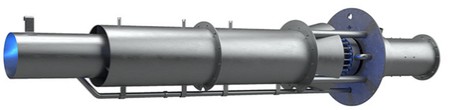
ITEM 11. EXECUTIVE COMPENSATION.

The information required by this item is incorporated by reference to our Proxy Statement for the 2026 Annual Meeting of Stockholders to be filed with the SEC within 120 days of the fiscal year ended December 31, 2025.

ITEM 12. SECURITY OWNERSHIP OF CERTAIN BENEFICIAL OWNERS AND MANAGEMENT AND RELATED SHAREHOLDER MATTERS.

The information required by this item is incorporated by reference to our Proxy Statement for the 2026 Annual Meeting of Stockholders to be filed with the SEC within 120 days of the fiscal year ended December 31, 2025.

ITEM 13. CERTAIN RELATIONSHIPS AND RELATED TRANSACTIONS, AND DIRECTOR INDEPENDENCE.

The information required by this item is incorporated by reference to our Proxy Statement for the 2026 Annual Meeting of Stockholders to be filed with the SEC within 120 days of the fiscal year ended December 31, 2025.

ITEM 14. PRINCIPAL ACCOUNTANT FEES AND SERVICES.

The information required by this item is incorporated by reference to our Proxy Statement for the 2026 Annual Meeting of Stockholders to be filed with the SEC within 120 days of the fiscal year ended December 31, 2025.

37

Table of Contents

PART IV

ITEM 15. EXHIBITS, FINANCIAL STATEMENT SCHEDULES.

(a) (1) Consolidated Financial Statements

The financial statements filed as part of this report are listed and indexed in the Index to Consolidated Financial Statements on page 42 located in this Annual Report on Form 10-K. Financial statement schedules have been omitted because they are not applicable, or the required information has been included elsewhere in this report.

(a) (2) Financial Statement Schedules

Not applicable.

(a) (3) Exhibits

The exhibits filed as part of this Annual Report on Form 10-K are listed in the Exhibit Table below. The Company has identified in the Exhibit Table each management contract and compensation plan filed as an exhibit to this Annual Report on Form 10-K in response to Item 15(a) (3) of Form 10-K.

(b) The exhibits set forth in the following index of exhibits are filed or incorporated by reference as a part of this Annual Report on Form 10-K:

38

Table of Contents

Exhibit
No.

  ​ ​ ​

Description of Document

2.1**

Plan of Conversion, dated June 14, 2023 (incorporated by reference to Exhibit 2.1 to the Companys Form 8-K filed with the Securities and Exchange Commission on June 15, 2023).

3.1**

Certificate of Incorporation of ClearSign Technologies Corporation, a Delaware corporation (incorporated by reference to Exhibit 3.3 to the Companys Form 8-K filed with the Securities and Exchange Commission on June 15, 2023).

3.2**

Certificate of Amendment, as filed with the Secretary of the State of Delaware on June 26, 2024 (incorporated by reference to Exhibit 3.1 of the Company’s Form 8-K filed with the Securities and Exchange Commission on June 26, 2024).

3.3**

Certificate of Amendment, as filed with the Secretary of the State of Delaware on March 6, 2026 (incorporated by reference to Exhibit 3.1 of the Company’s Form 8-K filed with the Securities and Exchange Commission on March 10, 2026).

3.4**

Amended and Restated Bylaws of ClearSign Technologies Corporation, a Delaware corporation (incorporated by reference to Exhibit 3.1 to the Company’s Form 8-K filed with the Securities and Exchange Commission on November 17, 2025).

3.5**

Certificate of Conversion, as filed with the Secretary of State of the State of Delaware on June 14, 2023 (incorporated by reference to Exhibit 3.1 to the Company’s Form 8-K filed with the Securities and Exchange Commission on June 15, 2023).

3.6**

Articles of Conversion, as filed with the Secretary of State of the State of Washington on June 14, 2023 (incorporated by reference to Exhibit 3.2 to the Company’s Form 8-K filed with the Securities and Exchange Commission on June 15, 2023).

4.1*

Description of Securities of the Company.

4.2**

Form of Common Warrant (incorporated by reference to Exhibit 4.1 of the Company’s Form 8-K filed with the Securities and Exchange Commission on April 19, 2024).

4.3**

Form of Underwriter’s Warrant (incorporated by reference to Exhibit 4.2 of the Company’s Form 8-K filed with the Securities and Exchange Commission on April 19, 2024).

4.4**

Form of Private Warrant (incorporated by reference to Exhibit 4.3 of the Company’s Form 8-K filed with the Securities and Exchange Commission on April 19, 2024).

4.5**

Form of Pre-Funded Warrant (incorporated by reference to Exhibit 4.1 of the Company’s Form 8-K filed with the Securities and Exchange Commission on April 23, 2024).

4.6**

Form of Placement Agent Warrant (incorporated by reference to Exhibit 4.4 of the Company’s Form 8-K filed with the Securities and Exchange Commission on April 19, 2024).

10.1+**

Form of Confidentiality and Proprietary Rights Agreement (incorporated by reference to Exhibit 10.6 to the Companys Form 10-K filed with the Securities and Exchange Commission on February 26, 2015).

10.2**

Form of Director and Officer Indemnification Agreement (incorporated by reference to Exhibit 10.1 to the Companys Form 10-Q filed with the Securities and Exchange Commission on August 14, 2023).

10.3**

ClearSign Combustion Corporation 2013 Consultant Stock Plan (incorporated by reference to Exhibit 10.1 to the Companys Form 10-Q filed with the Securities and Exchange Commission on May 6, 2013).

10.4+**

Employment Agreement dated January 28, 2019 between the registrant and Colin James Deller (incorporated by reference to Exhibit 10.1 to the Companys Form 8-K filed with the Securities and Exchange Commission on January 30, 2019).

10.5+**

ClearSign Technologies Corporation 2021 Equity Incentive Plan (incorporated by reference to Appendix A from the Company’s Proxy Statement on Schedule 14A filed with the Securities and Exchange Commission on May 7, 2021).

10.6+**

2021 Equity Incentive Plan Form of Stock Option Award Agreement (incorporated by reference to Exhibit 10.1 to the Company’s Form 8-K filed with the Securities and Exchange Commission on November 17, 2025).

10.7+**

2021 Equity Incentive Plan Form of Restricted Stock Unit Award Agreement (incorporated by reference to Exhibit 10.2 to the Company’s Form 8-K filed with the Securities and Exchange Commission on November 17, 2025).

10.8+**

2021 Equity Incentive Plan Form of Restricted Stock Award Agreement (incorporated by reference to Exhibit 10.3 to the Company’s Form 8-K filed with the Securities and Exchange Commission on November 17, 2025).

39

Table of Contents

10.9+**

Offer Letter dated October 18, 2021 by and between the Company and Brent Hinds (incorporated by reference to Exhibit 10.1 to the Companys Form 10-Q filed with the Securities and Exchange Commission on November 12, 2021).

10.10**

Lease Agreement, entered into as of June 20, 2016, between Paradigm Realty Advisors, L.L.C. and ClearSign Technologies Corporation (incorporated by reference to Exhibit 10.18 to the Companys Form 10-K filed with the Securities and Exchange Commission on March 31, 2022).

10.11**

First Amendment to Lease, entered into as of July 29, 2019, between Tulsa Portfolio Oklahoma Realty LP and ClearSign Technologies Corporation (incorporated by reference to Exhibit 10.19 to the Companys Form 10-K filed with the Securities and Exchange Commission on March 31, 2022).

10.12**

Second Amendment to Lease, entered into as of January 14, 2020, between Tulsa Portfolio Oklahoma Realty LP and ClearSign Technologies Corporation (incorporated by reference to Exhibit 10.20 to the Companys Form 10-K filed with the Securities and Exchange Commission on March 31, 2022).

10.13+**

Amendment to Employment Agreement between the Company and Colin James Deller (incorporated by reference to Exhibit 10.1 to the Companys Form 10-Q filed with the Securities and Exchange Commission on August 15, 2022).

10.14+**

Amendment to Offer Letter between the Company and Brent Hinds, dated August 8, 2023 (incorporated by reference to the Company’s Form 10-Q filed with the Securities and Exchange Commission on August 14, 2023).

10.15**

Form of Warrant Agency Agreement, by and between ClearSign Technologies Corporation and VStock Transfer, LLC (incorporated by reference to Exhibit 10.1 of the Company’s Form 8-K filed with the Securities and Exchange Commission on April 19, 2024).

10.16**

Securities Purchase Agreement, dated as of April 19, 2024 (incorporated by reference to Exhibit 10.4 to the Company’s Form 8-K filed with the Securities and Exchange Commission on April 19, 2024).

10.17**

Amendment to Securities Purchase Agreement, dated as of April 22, 2024 (incorporated by reference to Exhibit 10.1 to the Company’s Form 8-K filed with the Securities and Exchange Commission on April 23, 2024).

10.18**

Amendment to Warrant Agency Agreement, dated as of May 15, 2024, by and between ClearSign Technologies Corporation and VStock Transfer, LLC (incorporated by reference to Exhibit 10.25 of the Company’s Form S-1 filed with the Securities and Exchange Commission on May 20, 2024).

10.19**

Securities Purchase Agreement, dated June 24, 2024 (incorporated by reference to Exhibit 10.1 of the Company’s Form 8-K filed with the Securities and Exchange Commission on June 26, 2024).

10.20**

Amendment to Securities Purchase Agreement, dated June 26, 2024 (incorporated by reference to Exhibit 10.2 of the Company’s Form 8-K filed with the Securities and Exchange Commission on June 26, 2024).

10.21+**

G. Todd Silva’s Offer Letter, effective as of August 1, 2024 (incorporated by reference to Exhibit 10.1 of the Company’s Form 8-K filed with the Securities and Exchange Commission on August 6, 2024).

10.22**

Cooperation Agreement, dated May 22, 2025, by and between ClearSign Technologies Corporation and Richard D. Clarkson (incorporated by reference to Exhibit 10.1 of the Company’s Form 8-K filed with the Securities and Exchange Commission on May 27, 2025).

10.23**

Cooperation Agreement, dated May 22, 2025, by and between ClearSign Technologies Corporation and Anthony DiGiandomenico (incorporated by reference to Exhibit 10.2 of the Company’s Form 8-K filed with the Securities and Exchange Commission on May 27, 2025).

10.24+**

Louis J. Basenese’s Offer Letter, effective as of May 22, 2025 (incorporated by reference to Exhibit 10.3 of the Company’s Form 8-K filed with the Securities and Exchange Commission on May 27, 2025).

10.25+**

Anthony DiGiandomenico’s Offer Letter, effective as of May 22, 2025 (incorporated by reference to Exhibit 10.4 of the Company’s Form 8-K filed with the Securities and Exchange Commission on May 27, 2025).

10.26**

At The Market Offering Agreement by and between ClearSign Technologies Corporation and H.C. Wainwright & Co., LLC, dated July 17, 2025 (incorporated by reference to Exhibit 1.2 to the Company’s Form S-3 filed with the Securities and Exchange Commission on July 17, 2025).

19**

Insider Trading Policy (incorporated by reference to Exhibit 19 to the Company’s Form 10-K filed with the Securities and Exchange Commission on March 31, 2025).

21**

Subsidiaries of the registrant (incorporated by reference to Exhibit 21 to the Companys Form 10-K filed with the Securities and Exchange Commission on March 31, 2022).

23.1*

Consent of BPM CPA LLP, Independent Registered Public Accounting Firm

24.1*

Power of Attorney (included on the signature page of this report)

31.1*

Certification of the Principal Executive Officer pursuant to Section 302 of the Sarbanes-Oxley Act of 2002

40

Table of Contents

31.2*

Certification of the Principal Financial Officer pursuant to Section 302 of the Sarbanes-Oxley Act of 2002

32.1***

Certification of the Principal Executive Officer and Principal Financial Officer pursuant to Section 906 of the Sarbanes-Oxley Act of 2002

97**

Clawback Policy (incorporated by reference to Exhibit 97 to the Company’s Form 10-K filed with the Securities and Exchange Commission on April 1, 2024).

101INS*

Inline XBRL Instance Document

101.SCH*

Inline XBRL Taxonomy Extension Schema

101.CAL*

Inline XBRL Taxonomy Extension Calculation Linkbase

101.DEF*

Inline XBRL Taxonomy Extension Definition Linkbase

101.LAB*

Inline XBRL Taxonomy Extension Label Linkbase

101.PRE*

Inline XBRL Taxonomy Extension Presentation Linkbase

104*

Cover Page Interactive Data File (formatted as inline XBRL and contained in Exhibit 101)

*Filed herewith.

**Previously filed.

***Furnished herewith.

+Agreement with management or compensatory plan or arrangement

ITEM 16. FORM 10-K SUMMARY.

None.

41

Table of Contents

ClearSign Technologies Corporation

INDEX TO CONSOLIDATED FINANCIAL STATEMENTS


  ​ ​ ​

Page
No. 

ANNUAL FINANCIAL INFORMATION


Report of Independent Registered Public Accounting Firm (PCAOB ID: 207)


F-1

Consolidated Balance Sheets as of December 31, 2025 and 2024


F-3

Consolidated Statements of Operations and Comprehensive Loss for the years ended December 31, 2025 and 2024


F-4

Consolidated Statements of Stockholders’ Equity for the years ended December 31, 2025 and 2024


F-5

Consolidated Statements of Cash Flows for the years ended December 31, 2025 and 2024


F-6

Notes to Consolidated Financial Statements


F-7

42

Table of Contents

REPORT OF INDEPENDENT REGISTERED PUBLIC ACCOUNTING FIRM

To the Board of Directors and Stockholders of

ClearSign Technologies Corporation and Subsidiary

Opinion on the Financial Statements

We have audited the accompanying consolidated balance sheets of ClearSign Technologies Corporation and subsidiary (the "Company") as of December 31, 2025 and 2024, and the related consolidated statements of operations and comprehensive loss, stockholders’ equity, and cash flows for each of the two years in the period ended December 31, 2025, and the related notes (collectively referred to as the "consolidated financial statements"). In our opinion, the consolidated financial statements present fairly, in all material respects, the financial position of the Company as of December 31, 2025 and 2024, and the results of its operations and its cash flows for each of the two years in the period ended December 31, 2025, in conformity with accounting principles generally accepted in the United States of America.

Basis for Opinion

These consolidated financial statements are the responsibility of the Company's management. Our responsibility is to express an opinion on the Company's consolidated financial statements based on our audits. We are a public accounting firm registered with the Public Company Accounting Oversight Board (United States) ("PCAOB") and are required to be independent with respect to the Company in accordance with the U.S. federal securities laws and the applicable rules and regulations of the Securities and Exchange Commission and the PCAOB.

We conducted our audits in accordance with the standards of the PCAOB. Those standards require that we plan and perform the audit to obtain reasonable assurance about whether the consolidated financial statements are free of material misstatement, whether due to error or fraud. The Company is not required to have, nor were we engaged to perform an audit of its internal control over financial reporting. As part of our audits, we are required to obtain an understanding of internal control over financial reporting but not for the purpose of expressing an opinion on the effectiveness of the Company’s internal control over financial reporting. Accordingly, we express no such opinion.

Our audits included performing procedures to assess the risks of material misstatement of the consolidated financial statements, whether due to error or fraud, and performing procedures that respond to those risks. Such procedures included examining, on a test basis, evidence regarding the amounts and disclosures in the consolidated financial statements. Our audits also included evaluating the accounting principles used and significant estimates made by management, as well as evaluating the overall presentation of the consolidated financial statements. We believe that our audits provide a reasonable basis for our opinion.

Critical Audit Matter

The critical audit matter communicated below is a matter arising from the current period audit of the consolidated financial statements that was communicated or required to be communicated to the audit committee and that: (1) relates to accounts or disclosures that are material to the consolidated financial statements and (2) involved our especially challenging, subjective, or complex judgments. The communication of this critical audit matter does not alter in any way our opinion on the consolidated financial statements, taken as a whole, and we are not, by communicating the critical audit matter below, providing a separate opinion on the critical audit matter or on the account or disclosures to which it relates.

F-1

Table of Contents

Carrying Cost of Patents and Other Intangible Assets

As described in Notes 2 and 4 to the consolidated financial statements, the Company’s patents and other intangible assets, net balance was $0.8 million as of December 31, 2025. The Company capitalizes third-party legal costs and filing fees, if any, associated with obtaining patents or other intangible assets. Once a patent asset has been placed in service, the Company amortizes these costs over the shorter of the asset’s legal or estimated economic life using the straight-line method. The Company also evaluates for potential impairment of long-lived assets, including intangible assets composed of patents, no less frequently than annually or whenever events or changes in circumstances indicate that the carrying amount of an asset may not be recoverable.

The principal considerations for our determination that performing procedures relating to the carrying value of intangible assets is a critical audit matter are the significant amount of judgment by management in developing the assumptions of future economic benefit in an impairment analysis, which in turn led to significant auditor judgment, subjectivity and effort in performing audit procedures and evaluating audit evidence relating to the analysis.

Addressing the matter involved performing procedures and evaluating audit evidence in connection with forming our overall opinion on the consolidated financial statements. These procedures included, among others, reviewing current and forecasted operating conditions for indication of impairment. We also reviewed board minutes, news, and industry reports for indications of impairment. Last, we obtained an understanding of potential future customers indicating future recoverability.

/s/ BPM CPA LLP

We have served as the Company's auditor since 2011.

San Jose, California

March 31, 2026

F-2

Table of Contents

ClearSign Technologies Corporation

Consolidated Balance Sheets

(in thousands, except share and per share data)

December 31, 

  ​ ​ ​

2025

  ​ ​ ​

2024

ASSETS

Current Assets:


  ​


  ​

Cash and cash equivalents

$

9,178

$

14,035

Accounts receivable

1,360

165

Deferred costs


329


562

Prepaid expenses and other assets


359


454

Total current assets


11,226


15,216

Fixed assets, net


195


238

Patents and other intangible assets, net


760


830

Total Assets

$

12,181

$

16,284

LIABILITIES AND STOCKHOLDERS' EQUITY


  ​


  ​

Current Liabilities:


  ​


  ​

Accounts payable and accrued liabilities

$

1,644

$

1,220

Current portion of lease liabilities


96


75

Accrued compensation and related taxes


564


671

Contract liabilities

100

441

Other current liabilities

180

Total current liabilities


2,584


2,407

Long Term Liabilities:


Long term lease liabilities


67


113

Total liabilities


2,651


2,520

Commitments and contingencies (Note 12)

Stockholders’ Equity:


  ​


  ​

Preferred stock, $0.0001 par value, 2,000,000 shares authorized, no shares issued or outstanding


Common stock, $0.0001 par value, 87,500,000 shares authorized, 5,328,730 and 5,028,585 shares issued and outstanding at December 31, 2025 and 2024, respectively.*


1


1

Additional paid-in capital*


114,061


112,800

Accumulated other comprehensive loss

(20)

(21)

Accumulated deficit


(104,512)


(99,016)

Total stockholders' equity


9,530


13,764

Total Liabilities and Stockholders' Equity

$

12,181

$

16,284

* Share, additional paid-in capital, and per share amounts for the years ended December 31, 2025 and 2024 have been adjusted to reflect the impact of a 1-for-10 reverse stock split effected on March 16, 2026.

The accompanying notes are an integral part of these consolidated financial statements.

F-3

Table of Contents

ClearSign Technologies Corporation

Consolidated Statements of Operations and Comprehensive Loss

(in thousands, except share and per share data)

For the Year Ended

December 31, 

  ​ ​ ​

2025

  ​ ​ ​

2024

Revenues

$

5,234

$

3,596

Cost of goods sold


3,810


2,478

Gross profit


1,424


1,118

Operating expenses:

Research and development


1,422


1,471

General and administrative


6,673


6,135

Total operating expenses


8,095


7,606

Loss from operations


(6,671)


(6,488)

Other income, net:

Interest income

439

516

Government assistance

736

664

Other income, net

9

Total other income, net


1,175


1,189

Net loss

$

(5,496)

$

(5,299)

Net loss per share - basic and fully diluted

$

(0.99)

$

(1.08)

Weighted average number of shares outstanding - basic and fully diluted*


5,551,194


4,893,599

Comprehensive loss:

Net loss

$

(5,496)

$

(5,299)

Foreign-exchange translation adjustments

1

(4)

Comprehensive loss

$

(5,495)

$

(5,303)

* Share and per share amounts for the years ended December 31, 2025 and 2024 have been adjusted to reflect the impact of a 1-for-10 reverse stock split effected on March 16, 2026.

The accompanying notes are an integral part of these consolidated financial statements.

F-4

Table of Contents

ClearSign Technologies Corporation

Consolidated Statement of Stockholders’ Equity

For the Year Ended December 31, 2025

Accumulated Other

Total

(in thousands, except per share data)

Common Stock

Additional

Comprehensive

Accumulated

Stockholders’

Shares*

  ​

Amount*

  ​

Paid-In Capital*

  ​

Loss

  ​

Deficit

  ​

Equity

Balances at December 31, 2024


5,028

$

1

$

112,800

$

(21)

$

(99,016)

$

13,764

Share-based compensation, net of tax withholdings

85

893

893

Fair value of stock issued in payment of accrued compensation

33

279

279

Shares issued for services

10

65

65

Exercise of warrants

2

24

24

Exercise of prefunded warrants

170

Foreign-exchange translation adjustment

1

1

Net loss

(5,496)

(5,496)

Balances at December 31, 2025

5,328

$

1

$

114,061

$

(20)

$

(104,512)

$

9,530

* Share, additional paid-in capital, and per share amounts for the years ended December 31, 2025 and 2024 have been adjusted to reflect the impact of a 1-for-10 reverse stock split effected on March 16, 2026.

ClearSign Technologies Corporation

Consolidated Statement of Stockholders’ Equity

For the Year Ended December 31, 2024

  ​ ​ ​

  ​ ​ ​

  ​ ​ ​

  ​ ​ ​

Accumulated Other

  ​ ​ ​

Total

(in thousands, except per share data)

Common Stock

Additional

Comprehensive

Accumulated

Stockholders'

Shares*

Amount*

Paid-In Capital*

Loss

Deficit

Equity

Balances at December 31, 2023

3,869

$

1

$

98,925

$

(17)

$

(93,717)

$

5,192

Share-based compensation

31

528

528

Fair value of stock issued in payment of accrued compensation


31

326

326

Shares issued for services

4

29

29

Issuance of common stock in public offering, net of expenses

531

2,391

2,391

Issuance of warrants in public offering, net of expenses

1,831

1,831

Issuance of common stock in private placement, net of expenses

225

865

865

Issuance of prefunded warrants in private placement, net of expenses

1,214

1,214

Issuance of warrants in private placement, net of expenses

2,389

2,389

Issuance of common stock for participation right exercise, net of expenses

335

1,447

1,447

Issuance of prefunded warrants for participation right exercise, net of expenses

580

580

Issuance of warrants for participation right exercise, net of expenses

2,250

2,250

Exercise of warrants

2

25

25

Foreign-exchange translation adjustment

(4)

(4)

Net loss

(5,299)

(5,299)

Balances at December 31, 2024

5,028

$

1

$

112,800

$

(21)

$

(99,016)

$

13,764

* Share, additional paid-in capital, and per share amounts for the years ended December 31, 2025 and 2024 have been adjusted to reflect the impact of a 1-for-10 reverse stock split effected on March 16, 2026.

The accompanying notes are an integral part of these consolidated financial statements.

F-5

Table of Contents

ClearSign Technologies Corporation

Consolidated Statements of Cash Flows

(in thousands)

For the Years Ended December 31,

  ​ ​ ​

2025

  ​ ​ ​

2024

Cash flows from operating activities:

Net loss

$

(5,496)

$

(5,299)

Adjustments to reconcile net loss to net cash used in operating activities:


  ​


  ​

Common stock issued for services


65


29

Share-based compensation, net of tax withholdings


893


528

Depreciation and amortization


189


186

Impairment of intangible assets

3

20

Right-of-use asset amortization


88


86

Lease amendments

(3)

Change in operating assets and liabilities:


  ​

Deferred costs


233


360

Accounts receivable


(1,195)


122

Prepaid expenses and other assets


95


(104)

Accounts payable, accrued liabilities, and lease liabilities


378


816

Other current liabilities

180

Accrued compensation and related taxes


172


294

Contract liabilities

(341)

(1,408)

Net cash used in operating activities


(4,736)


(4,373)

Cash flows from investing activities:


  ​


  ​

Acquisition of fixed assets


(4)


(39)

Disbursements for patents and other intangible assets


(97)


(179)

Net cash used in investing activities


(101)


(218)

Cash flows from financing activities:


  ​


  ​

Proceeds from issuance of common stock, net of offering costs


12,967

Proceeds from exercise of warrants

24

25

Taxes paid related to employee stock awards

(45)

(46)

Net cash provided by (used in) financing activities


(21)


12,946

Effect of exchange rate changes on cash and cash equivalents

1

(4)

Net change in cash and cash equivalents


(4,857)


8,351

Cash and cash equivalents, beginning of period


14,035


5,684

Cash and cash equivalents, end of period

$

9,178

$

14,035

Supplemental disclosure of cash flow information:

Officer and employee equity awards for prior year accrued compensation

$

279

$

326

Non-cash impact of new lease

$

68

$

32

The accompanying notes are an integral part of these consolidated financial statements.

F-6

Table of Contents

ClearSign Technologies Corporation

Notes to Consolidated Financial Statements

Note 1 – Organization and Description of Business

ClearSign Technologies Corporation (“ClearSign” or the “Company”) designs and develops products and technologies for the purpose of decarbonization and improving key performance characteristics of industrial and commercial systems, including operational performance, energy efficiency, emission reduction, safety, and overall cost-effectiveness. The Company’s patented technologies are designed to be embedded in established original equipment manufacturers (“OEM”) products as ClearSign Core™ and ClearSign Eye and other sensing configurations in order to enhance the performance of combustion systems and fuel safety systems in a broad range of markets. These markets include energy (upstream oil production and down-stream refining), commercial/industrial boiler, chemical, petrochemical, transport and power industries. The Company’s primary technology is its ClearSign Core™ technology, which achieves very low emissions without the need of selective catalytic reduction.

The Company was originally incorporated in the State of Washington in 2008. During January 2022, the Company relocated its headquarters from Seattle, Washington to Tulsa, Oklahoma. Effective June 15, 2023, the Company changed its state of incorporation to Delaware. On July 28, 2017, the Company incorporated a subsidiary, ClearSign Asia Limited, in Hong Kong to represent the Company’s business and technological interests throughout Asia. Through ClearSign Asia Limited, the Company has established a wholly foreign owned enterprise in China – ClearSign Combustion (Beijing) Environmental Technologies Co., LTD. On August 22, 2024, the Company’s Board of Directors (the “Board”) authorized management to move forward with filing for dormancy with Chinese regulators to suspend the Company’s Beijing, China operations. A dormancy filing allows the Company to keep its China legal entity in a suspended status for up to three years. The Company can revive its China operations at any time during those three years with minimal cost impact. The effective date of our dormancy filing was March 12, 2025.

Unless otherwise stated or the context otherwise requires, the terms “we,” “us,” “our,” “ClearSign” and the “Company” refer to ClearSign Technologies Corporation and its subsidiary, ClearSign Asia Limited.

Business Segments

The Company operates in one operating and reportable segment engaged in the design, development and sale of combustion technologies that improve the performance and cost-effectiveness of industrial combustion systems, referred to herein as the “Combustion” segment. The Company manages its business activities on a consolidated basis. Since the operations comprise a single reportable segment, amounts reported in the consolidated balance sheets, statements of operations and comprehensive loss, stockholders’ equity, and cash flows represent the activities of the Combustion segment.

The Combustion segment derives revenues by delivering products and technology solutions to OEM’s and end-users. Our products and solutions can be incorporated into a new or existing customer infrastructure or equipment. Customer contracts can include multiple billing milestones and performance obligations. The Company can typically satisfy its performance obligations within a twelve month period, but customer project delays, some of which can be beyond the Company’s control, can impact timing of performance and there is no assurance we will satisfy all performance obligations in such period of time.

The Company’s Chief Executive Officer, who is the chief operating decisionmaker (“CODM”), reviews quarterly and annual financial information on a consolidated basis for making operating decisions, allocating resources and evaluating financial performance. The CODM consistently reviews the consolidated statements of operations and comprehensive loss to manage operations and monitor performance against management expectations. Factors considered by the CODM when assessing a reportable segment include factors such as, but not limited to, human capital, intellectual property, customer relationships and business model design.

F-7

Table of Contents

Substantially all the Company’s operating activities, including its long-lived assets, are located within the United States. Customers in the United States accounted for 100% of revenues during the years ended December 31, 2025 and 2024. The Company disaggregates geographical revenues by selling location, since many of our target customers are global entities, and it would be more likely than not, that these customers would negotiate sales within our current territory in the United States. Our two California refinery customers accounted for 15% and 86% of our annual revenues for the years ended December 31, 2025 and 2024, respectively. Birwelco USA Inc. (a BIH Group company) accounted for 66% and 4% of our annual revenue for the years ended December 31, 2025 and 2024, respectively. No other customer represented greater than ten percent of annual revenues for the years ended December 31, 2025 and 2024.

For the Year Ended

December 31, 

2025

  ​ ​ ​

2024

Birwelco

66

%

4

%

Customer A

3

59

Customer B

12

27

81

%

90

%

Liquidity

As of December 31, 2025, the Company’s cash and cash equivalents totaled $9,178 thousand, which is sufficient to fund current operating expenses beyond twelve months from the date of issuance of these consolidated financial statements. The Company’s technologies are currently deployed in fully operational commercial installations. In order to generate meaningful revenues and achieve cash flow break-even, we must continue to gain market recognition and acceptance and achieve a critical level of successful sales and product installations.

Historically, the Company has financed operations primarily through issuances of equity securities. Since inception, the Company has raised approximately $105.3 million in gross proceeds through the sale of its equity securities. During the year ended December 31, 2024, the Company sold equity securities, which resulted in aggregate gross proceeds of approximately $14.2 million and net proceeds of approximately $13.0 million, after broker discounts and related fees.

The Company has incurred losses since its inception totaling $104.5 million and expects to experience operating losses and negative cash flows for the foreseeable future. Management believes that the successful growth and operation of the Company’s business is dependent upon its ability to obtain adequate sources of funding through co-development agreements, strategic partnering agreements, or equity or debt financing to adequately support product commercialization efforts, protect intellectual property, form relationships with strategic partners, and provide for working capital and general corporate purposes. There can be no assurance that the Company will be successful in achieving its long-term plans as set forth above, or that such plans, if consummated, will result in profitable operations or enable the Company to continue in the long-term as a going concern.

Note 2 – Summary of Significant Accounting Policies

Basis of Presentation

The accompanying consolidated financial statements include the accounts of ClearSign and its subsidiary. Intercompany balances and transactions have been eliminated in consolidation.

Reverse Stock Split

On March 6, 2026, the Company filed a certificate of amendment to its certificate of incorporation, as amended, with the Secretary of State of the State of Delaware to effect a 1-for-10 reverse stock split of the Company’s shares of common stock, which became effective at 12:01 a.m. Eastern Time on March 16, 2026. Such amendment and reverse stock split ratio were previously approved by the Company’s stockholders and Board.

As a result of the reverse stock split, which was effective for trading purposes on March 16, 2026, every 10 shares of the Company’s pre-reverse split outstanding common stock were combined and reclassified into one share of common stock. Proportionate voting rights and other rights of holders of common stock, par value and shares authorized were not affected by the reverse stock split. Any

F-8

Table of Contents

fractional shares of common stock resulting from the reverse stock split were rounded up to the nearest whole share at the participant level with the Depository Trust Company. All stock options and restricted stock units outstanding and common stock reserved for issuance under the Company’s equity incentive plans and warrants outstanding immediately prior to the reverse stock split were proportionately adjusted, and the exercise prices were proportionately increased, as a result of the reverse stock split. All share and per-share amounts in these consolidated financial statements have been restated to reflect the reverse stock split as if it had occurred at the beginning of the earliest period presented.

Use of Estimates

The preparation of consolidated financial statements in conformity with accounting principles generally accepted in the United States of America requires management to make certain estimates and assumptions that affect the reported amounts of assets and liabilities and the disclosure of contingent assets and liabilities at the date of the consolidated financial statements and the reported amounts of revenues and expenses during the reporting period. Actual results could differ from those estimates.

Revenue Recognition and Cost of Sales

The Company recognizes revenue and related cost of goods sold in accordance with Financial Accounting Standards Board (“FASB”) Accounting Standards Codification (“ASC”) Topic 606, Revenue from Contracts with Customers (“ASC 606”). When applying ASC 606, the Company performs the following five steps: (i) identify the contract(s) with a customer; (ii) identify the promises and performance obligations in the contract; (iii) determine the transaction price; (iv) allocate the transaction price to the performance obligations in the contract; and (v) recognize revenue when (or as) the performance obligations are satisfied. Revenues and cost of goods sold are recognized once the goods or services are delivered to the customer’s control or non-refundable performance obligations are satisfied. The Company’s contracts with customers generally have a schedule of performance obligations that are used to allocate transaction prices, as well as a schedule of non-refundable cancellation obligations. The contracts generally will be fully performed upon delivery of certain drawings, services, reports, or equipment. Revenue related to the contracts is recognized following the completion of non-refundable performance obligations as defined in the contract.

The Company’s contracts generally include progress payments from the customer upon completion of defined milestones. As these payments are received, they are recorded as either contract assets or contract liabilities. Upon completion of the performance obligations and collectibility is determined, revenue is recorded at a point in time. The Company records cost of goods sold based on allocated costs assigned to performance obligations. Allocations can occur based on overall estimated contract profit or readily identifiable cost assignments. For any contract that is expected to incur costs in excess of the contract price, the Company accrues the estimated loss in full in the period such determination is made.

Deferred Costs and Cost of Sales

We recognize an asset for deferred costs incurred to fulfill a contract when those costs meet all of the following criteria: (a) the costs relate directly to a contract or to an anticipated contract that we can specifically identify; (b) the costs generate or enhance our resources that will be used in satisfying performance obligations in the future; and, (c) the costs are expected to be recovered. We capitalize contractual costs incurred for direct labor, overhead allocations, supplier costs and subcontractor costs. Costs capitalized are expensed to costs of goods sold at a point in time upon completion of contractual performance obligations based on allocated costs assigned to such performance obligations. For any contract expected to incur costs in excess of the total contractual value, we accrue the estimated loss in full in the period such determination is made.

Advertising

The Company expenses selling and marketing expenses when incurred within the statements of operations and comprehensive loss in general and administrative expenses. The total amount charged to advertising expense for the years ended December 31, 2025 and 2024 was $96 thousand and $114 thousand, respectively.

Product Warranties

The Company warrants all installed products against defects in materials and workmanship for a period specified in each contract by replacing failed parts. Accruals for product warranties are based on historical or expected warranty experience and current product performance trends and are recorded as a component of cost of sales at the time revenue is recognized. The warranty liabilities are reduced by material and labor costs used to replace parts over the warranty period in the periods in which the costs are incurred. The

F-9

Table of Contents

Company periodically assesses the adequacy of its recorded warranty liabilities and adjusts the amounts as necessary, and such adjustments could be material in the future if estimates differ significantly from actual warranty expense. Product warranties are included in accounts payable and accrued liabilities in the consolidated balance sheets. Although a warranty is a type of guarantee, assurance-type warranties are not subject to the general recognition provisions of ASC Topic 460, Guarantees, which requires recognizing guarantees at fair value.

Cash and Cash Equivalents

Cash and cash equivalents consist of cash on deposit in a checking and savings account, and short-term money market instruments and U.S. treasury bills with an original maturity of three months or less.

U.S. Treasuries

All of our U.S. treasuries are classified as held-to-maturity based on the Company’s positive intent and ability to hold these securities to maturity and are recorded on an amortized cost basis.

The net carrying amount and amortized cost basis of our treasuries as of December 31, 2025, and 2024 was $5,523 thousand and $10,790 thousand, respectively. The fair value of our treasuries as of December 31, 2025, and 2024 was $5,523 thousand and $10,792 thousand, respectively. We experienced no unrecognized holding gains from our treasuries as of December 31, 2025. We experienced $2 thousand in unrecognized holding gains from our treasuries as of December 31, 2024.

The Company evaluates whether the decline in fair value of its investments is other-than temporary at each quarter-end. The Company has not experienced any other-than-temporary impairment of its treasuries as of December 31, 2025 and 2024, respectively. A decline in the market value of any held-to-maturity security below cost that is deemed other than temporary results in a reduction in carrying amount to fair value, with the impairment charged to earnings and the establishment of a new cost basis.

Accounts Receivable and Allowance for Credit Losses

Trade accounts receivable are stated at the invoiced amount less an allowance for expected credit losses. The Company performs ongoing credit evaluations of its customers’ financial condition and generally requires no collateral from its customers or interest on past due amounts. Management estimates the allowance for credit losses based on review and analysis of specific customer balances that may not be collectible and how recently payments have been received in addition to an expected credit loss model based on aging analysis as per the invoice date as re-imbursement risks could exist. The vast majority of the outstanding accounts receivable share the same expected credit risk due to the re-imbursement risk and same current customer pool. Accounts are considered for write-off when they become past due and when it is determined that the probability of collection is remote. The allowance for credit losses as of December 31, 2025 and 2024 was zero.

Fixed Assets and Leases

Fixed assets are recorded at cost. Fixed assets are depreciated over three to five years. Maintenance and repairs are expensed as incurred.

At contract inception, the Company determines whether the contract is, or contains, a lease and whether the lease should be classified as an operating or a financing lease and reassesses that conclusion if the contract is modified. Operating leases are recorded in operating lease right-of-use (“ROU”) assets, lease liability, current and lease liability, noncurrent on the consolidated balance sheets. The Company did not have any finance leases during the periods presented.

The Company recognizes operating lease ROU assets and operating lease liabilities based on the present value of the future minimum lease payments over the lease term at commencement date. The lease ROU asset is reduced for tenant incentives, if any, and excludes any initial direct costs incurred, if any. The Company uses its incremental borrowing rate based on the information available at commencement date to determine the present value of future payments and the appropriate lease classification. In determining the inputs to the incremental borrowing rate calculation, the Company makes judgments about the value of the leased asset, its credit rating and the lease term including the probability of its exercising options to extend or terminate the underlying lease. The Company defines the initial lease term to include renewal options determined to be reasonably certain. If the Company determines the option to extend or terminate is reasonably certain, it is included in the determination of lease assets and liabilities. The Company reassesses the lease term if and when a significant event or change in circumstances occurs within the control of the Company, such as construction

F-10

Table of Contents

of significant leasehold improvements that are expected to have economic value when the option becomes exercisable. The Company recognizes a single lease cost on a straight-line basis over the term of the lease, and the Company classifies all cash payments within operating activities in the consolidated statements of cash flows.

The Company has lease agreements with lease and non-lease components, which it has elected to not combine for all asset classes. In addition, the Company does not recognize ROU assets or lease liabilities for leases with a term of 12 months or less of all asset classes.

Patents and Trademarks

Third-party expenses related to patents and trademarks are recorded at cost, less accumulated amortization. Amortization is computed using the straight-line method over the estimated useful lives of the assets once they are awarded. Patent application costs are deferred pending the outcome of patent and trademark applications. Costs associated with unsuccessful patent applications and abandoned intellectual property are expensed when determined to have no continuing value in current business activity. The Company evaluates the recoverability of the carrying values of intangible assets each reporting period.

Impairment of Long-Lived Assets

The Company tests long-lived assets, consisting of fixed assets, patents, trademarks, and other intangible assets, for impairment whenever events or changes in circumstances indicate that the carrying amount of an asset may not be recoverable through the estimated undiscounted cash flows expected from the use and eventual disposition of the assets. In the event an asset is not fully recoverable a loss is recognized based on the amount by which the carrying amount exceeds the fair value of the long-lived assets. Fair value is determined based on the present value of estimated expected cash flows using a discount rate commensurate with the risks involved, quoted market prices, or appraised values depending upon the nature of the assets. Losses on long-lived assets to be disposed are determined in a similar manner, except those fair values are reduced for the cost of disposal.

Fair Value of Financial Instruments

Fair value is the price that would be received to sell an asset or paid to transfer a liability in an orderly transaction between market participants at the measurement date. Assets and liabilities measured at fair value are categorized based on whether or not the inputs are observable in the market and the degree that the inputs are observable. The categorization of financial assets and liabilities within the valuation hierarchy is based upon the lowest level of input that is significant to the fair value measurement. The three levels of inputs used to establish fair value are the following:

Level 1 – Quoted prices in active markets for identical assets or liabilities.
Level 2 – Inputs other than Level 1 that are observable, either directly or indirectly, such as quoted prices for similar assets or liabilities, quoted prices in markets that are not active, or other inputs that are observable or can be corroborated by observable market data for substantially the full term of the assets or liabilities; and
Level 3 – Unobservable inputs that are supported by little or no market activity and that are significant to the fair value of the assets or liabilities.

The Company’s financial instruments primarily consist of cash equivalents, accounts receivable, accounts payable, and accrued expenses. Our cash equivalents include money market funds, which are measured at fair value using Level 1 inputs. As of December 31, 2025 and 2024, we had $2,288 thousand and $1,354 thousand in our money market account, respectively.

As of the balance sheet dates, the estimated fair values of the financial instruments were not materially different from their carrying values as presented on the consolidated balance sheets. This is primarily attributable to the short-term nature of these instruments. There were no transfers between levels of the fair value hierarchy during the period.

The Company did not identify any other recurring or non-recurring assets and liabilities that are required to be presented in the consolidated balance sheets at fair value.

Research and Development, and Government Assistance

The cost of research and development is expensed as incurred. Research and development costs consist of salaries, benefits, share-based compensation, consumables, and consulting fees, including costs to develop and test prototype equipment and parts. Research

F-11

Table of Contents

and development costs have been offset by funds received, if any, from strategic partners in cost sharing, collaborative projects. During the year ended December 31, 2025, the Company received no funds from these types of arrangements. During the year ended December 31, 2024, the Company received $145 thousand from these types of arrangements.

Additionally, from time to time, the Company may receive government grants to fund research and development projects. We record gross monies received from government entities within other income, net, and associated expenses such as salaries and supplies in research and development or general and administration expense, depending on the nature of expenditure. We accrue for reimbursement requests submitted to government entities in accounts receivable.

Income Taxes

The Company accounts for income taxes using an asset and liability approach which allows for the recognition and measurement of deferred tax assets based upon the likelihood of realization of tax benefits in future years. Under the asset and liability approach, deferred taxes are provided for the net tax effects of temporary differences between the carrying amounts of assets and liabilities for financial reporting purposes and the amounts used for income tax purposes. A valuation allowance is provided for deferred tax assets if it is more likely than not the Company would not be able to realize their benefits, or that future deductibility is uncertain. Tax benefits are recognized only if it is more likely than not that the tax benefits will be utilized in the foreseeable future.

Share-Based Compensation

The costs of all employee stock options, as well as other equity-based compensation arrangements, are reflected in the consolidated financial statements based on the estimated fair value of the awards on the grant date. That cost is recognized over the period during which an employee is required to provide service in exchange for the award, or in the case of performance options, expense is recognized over the remaining service period when the Company has determined it is probable that the performance condition will be achieved. Share-based compensation for stock grants to non-employees is determined as the fair value of the consideration received or the fair value of equity instruments issued, whichever is more reliably measured.

Foreign Operations

The accompanying consolidated balance sheets as of December 31, 2025 and 2024 include assets amounting to approximately $175 thousand and $145 thousand, respectively, relating to the operations of ClearSign Asia Limited. The Beijing registered capital requirement is $350 thousand, which is required to be paid by June 30, 2032, and of which $261 thousand has been paid as of December 31, 2025. On August 22, 2024, the Board authorized management to move forward with filing for dormancy with Chinese regulators to suspend the Company’s Beijing, China operations. A dormancy filing allows the Company to keep its China legal entity in a suspended status for up to three years. The Company can revive its China operations at any time during those three years with minimal cost impact. The dormancy filing became effective as of March 12, 2025.

Foreign Currency

Assets and liabilities of ClearSign Asia Limited with non-U.S. Dollar functional currency are translated to U.S. Dollars using exchange rates in effect at the end of the period. Revenue and expenses are translated to U.S. Dollars using rates that approximate those in effect during the period. The resulting translation adjustments are included in the Company’s consolidated balance sheets in the stockholders’ equity section as a component of accumulated other comprehensive loss.

Net Loss per Common Share

Basic net loss per share is computed by dividing loss available to common stockholders by the weighted-average number of common shares outstanding. Diluted loss per share is computed similar to basic net loss per share except that the denominator is increased to include additional common shares available upon exercise of stock options and warrants using the treasury stock method, except for periods for which no common share equivalents are included because their effect would be anti-dilutive. As of December 31, 2025 and 2024, potentially dilutive shares outstanding amounted to 2.5 million (or 24.7 million on a pre-reverse stock split basis) and 2.5 million (or 25.1 million on a pre-reverse stock split basis), respectively.

Recently Adopted Accounting Pronouncements

F-12

Table of Contents

In December 2023, the FASB issued Accounting Standards Update (“ASU”) No. 2023-09, Income Taxes (Topic 740): Improvements to Income Tax Disclosures (“ASU 2023-09”) to enhance the transparency and decision-making usefulness of income tax disclosures by requiring additional information on an entity's tax rate reconciliation, as well as income taxes paid. Effective January 1, 2025, we adopted ASU 2023-09 on a prospective basis. The impact of adoption on this standard to our accounting policies, processes, and systems was not material. Refer to “Note 8 – Income Taxes” of these consolidated financial statements.

In July 2025, the FASB issued ASU 2025-05, Financial Instruments—Credit Losses (Topic 326): Measurement of Credit Losses for Accounts Receivable and Contract Assets (“ASU 2025-05”), which amends ASC 326-20 to provide a practical expedient (for all entities) and an accounting policy election (for all entities, other than public business entities, that elect the practical expedient) related to the estimation of expected credit losses for current accounts receivable and current deferred costs that arise from transactions accounted for under ASC 606. We elected to early adopt ASU 2025-05 on December 31, 2025, which did not have a material impact on our consolidated financial statements.

Recently Issued Accounting Pronouncements

In November 2024, the FASB issued ASU No. 2024-03, Income Statement—Reporting Comprehensive Income—Expense Disaggregation Disclosures (Subtopic 220-40) (“ASU 2024-03”). ASU 2024-03 requires enhanced disclosures about types of expenses, including purchases of inventory, employee compensation, depreciation, and amortization, in commonly presented expense captions. The amendments are effective for fiscal years beginning after December 15, 2026, and interim periods beginning after December 15, 2027, with early adoption permitted. Entities may apply the amendments prospectively or retrospectively to any or all prior periods presented in the financial statements. We are currently evaluating the impact that this guidance will have on the disclosures within our consolidated financial statements. While ASU 2024-03 will impact only our disclosures and not our financial condition and results of operations, we are assessing when we will adopt the ASU 2024-03.

In May 2025, FASB issued ASU No. 2025-04, Compensation—Stock Compensation (Topic 718) and Revenue from Contracts with Customers (“Topic 606”): Clarifications to Share-Based Consideration Payable to a Customer (“ASU 2025-04”), which clarifies the guidance on the accounting for share-based payment awards that are granted by an entity as consideration payable to its customer, with the intent to reduce diversity in practice and improve existing guidance by revising the definition of a “performance condition” and eliminating a forfeiture policy election for service conditions associated with share-based consideration payable to a customer. ASU 2025-04 also clarifies the guidance in Topic 606 on the variable consideration constraint does not apply to share-based consideration payable to a customer “regardless of whether an award’s grant date has occurred.” ASU 2025-04 is effective for our reporting period beginning January 1, 2027, with early adoption permitted. We are currently assessing the impact that the adoption of ASU 2025-04 will have on the disclosures in our annual consolidated financial statements.

Note 3 – Fixed Assets, Net

Fixed Assets, Net

Fixed assets, net are summarized as follows:

December 31, 

(in thousands)

  ​ ​ ​

2025

  ​ ​ ​

2024

Office furniture and equipment

$

103

$

99

Leasehold improvements


43


43

146

142

Accumulated depreciation and amortization


(108)


(85)

38

57

Operating lease ROU assets, net

157

181

Total

$

195

$

238

Depreciation expense related to office furniture, equipment and leasehold improvements for the years ended December 31, 2025 and 2024 totaled $25 thousand and $21 thousand, respectively.

F-13

Table of Contents

Leases

The Company leases office space in Tulsa, Oklahoma, Seattle, Washington and Beijing, China. During May 2025, the Company renewed its Beijing, China lease for 24 months with monthly rent at approximately $3 thousand. As a result of this renewal, the Company increased the ROU asset and lease liability by $68 thousand during the year ended December 31, 2025.

During October 2024, the Company entered into a sub-lease agreement to rent office space in Seattle for approximately $2 thousand per month for twelve months. The Seattle lease is considered a short-term lease, as the lease term is 12 months or less from the commencement date. The Seattle lease was renewed in October 2025 with similar terms. The short-term lease expense was $23 thousand and $22 thousand for the years ended December 31, 2025 and 2024, respectively. The Tulsa and Beijing leases are classified as operating leases, each with remaining terms of approximately two years; contractual language requires renewal negotiations to occur at or near termination. These leases are normal and customary for office space, in that, contractual guarantees exist requiring the lessee return the premises to its original functional state.

The Tulsa lease contains fixed annual lease payments that increase annually by 2%. The Seattle, Tulsa, and Beijing total monthly minimum rent is approximately $10 thousand. Operating lease costs for the years ended December 31, 2025 and 2024 were $98 thousand and $97 thousand, respectively.

Supplemental balance sheet information related to operating leases is as follows:

December 31, 

December 31, 

(in thousands)

2025

2024

Operating lease ROU assets, net

$

157

$

181

Lease Liabilities:

Current lease liabilities

$

96

$

75

Long term lease liabilities

67

113

Total lease liabilities

$

163

$

188

Weighted average remaining lease term (in years):


1.7

2.6

Weighted average discount rate:


4.4

%

5.3

%

Supplemental cash flow information related to operating leases is as follows:

For the Year Ended

December 31, 

(in thousands)

2025

2024

Cash paid for amounts included in the measurement of lease liabilities:

Operating cash flows used in operating leases

$

99

$

98

Non-cash impact of new leases and lease modifications

Change in operating lease liabilities

$

68

$

29

Change in operating lease ROU assets

$

68

$

32

Minimum future payments under the Company’s operating lease liabilities as of December 31, 2025 are as follows:

(in thousands)

2026


$

101

2027


68

Total future lease payments

169

Less: imputed interest

(6)

$

163

F-14

Table of Contents

Note 4 – Patents and Other Intangible Assets

Patents and other intangible assets are summarized as follows:

December 31, 

(in thousands)

  ​ ​ ​

2025

  ​ ​ ​

2024

Patents

Patents pending

$

358

$

346

Issued patents


1,110


1,034


1,468


1,380

Trademarks


Registered trademarks


86


86


86


86

Other


8


8


1,562


1,474

Accumulated amortization


(802)


(644)

$

760

$

830

Amortization expense for the years ended December 31, 2025 and 2024 totaled $164 thousand and $165 thousand, respectively. Future amortization expense associated with issued patents and registered trademarks as of December 31, 2025 is as follows:

(in thousands)

2026

$

139

2027


118

2028


83

2029


42

2030

12

$

394

The amortization life for patents ranges between three to five years, with trademark lives set at ten years. The Company does not amortize patents or trademarks classified as pending.

During the years ended December 31, 2025 and 2024, the Company assessed its patent and trademark assets. During the years ended December 31, 2025 and 2024, we recorded impairments of $3 thousand and $20 thousand, respectively. These impairment costs are included within research and development in the consolidated statements of operations and comprehensive loss. The Company also evaluated its strategic approach to the pursuit and protection of its intellectual property. It is the intent of the Company to continue to pursue intellectual property protection. If the Company identifies certain assets where the intellectual property does not directly align with its core technology, the Company will impair the intangible asset and write-off the asset as an expense.

Note 5 – Revenue and Contract Liabilities

The Company’s contracts with customers generally have performance obligations and a schedule of non-refundable cancellation obligations. Performance obligations typically fall into one of four categories, product shipment, customer witness tests, and engineering services, such as delivery of CFD studies, engineering documents, and engineering consultation. Customer payment milestones are unique to individual contracts and may occur prior to completion of performance obligations. Customer payment terms typically range between thirty and sixty days from the date of billing. Our customer contracts typically have a duration of less than twelve months. Delays in contract performance, if any, typically occur as a result of customer onsite project delays outside of our control.

The Company recognized $5,234 thousand of revenues and $3,810 thousand of cost of goods sold during the year ended December 31, 2025. The revenue and cost of goods sold relate to the Company’s fulfillment of product orders for process burners, mid-stream burners, flares, spare parts, burner performance tests, and engineering services including CFD studies, engineering design documents, and engineering consultation. These products and services constitute performance obligations.

F-15

Table of Contents

The Company recognized $3,596 thousand of revenues and $2,478 thousand of cost of goods sold during the year ended December 31, 2024. The revenue and cost of goods sold predominantly related to the Company’s process burner product line. The Company delivered multiple burners for different customers, successfully completed engineering studies including the CFD analysis, and fulfilled multiple spare parts orders. These products and services constitute performance obligations.

The Company had contract liabilities of $100 thousand and $441 thousand at December 31, 2025 and 2024, respectively. Of the $441 thousand contract liability balance as of December 31, 2024, the Company recognized revenue of $421 thousand during the year ended December 31, 2025.

Note 6 – Deferred Costs

A summary of the Company’s deferred costs activity in the accompanying consolidated balance sheets as of December 31, 2025 and 2024 is as follows:

December 31,

(in thousands)

2025

2024

Deferred costs at beginning of year

$

562

$

922

Capitalization

Labor and overhead allocations

484

216

Supplier and subcontractor costs

2,284

1,427

2,768

1,643

Amortization of deferred costs

(2,996)

(2,003)

Impairment of costs in excess of contractual value

(5)

-

Deferred costs at end of period

$

329

$

562

During our year-end financial reporting process, management identified that our deferred costs were incorrectly classified in the prior period financial statements. In the prior period, the net financial position of our customer contracts were assessed on a contract-by-contract basis and we incorrectly offset our contract liabilities with deferred costs, which were previously labeled as contract assets. The correction has been reflected in the current period consolidated financial statements and prior period amounts have been revised, by adjusting deferred costs and contract liabilities by an increase of $368 thousand. Management assessed this error and determined that it had no material adverse effect on prior filings, since it had no effect on our overall financial position, specifically our net loss, stockholder’s equity and working capital (as defined in “Item 7 - Management’s Discussion and Analysis of Financial Condition and Results of Operations – Liquidity and Capital Resources”).

Note 7 – Product Warranties

A summary of the Company’s warranty liability activity, which is included in accounts payable and accrued liabilities in the accompanying consolidated balance sheets as of December 31, 2025 and 2024, is as follows:

December 31, 

(in thousands)

  ​ ​ ​

2025

  ​ ​ ​

2024

Warranty liability at beginning of year

$

471

$

110

Accruals


840


478

Payments


(488)


(114)

Changes related to expirations and settlements

(31)

(3)

Warranty liability at end of period

$

792

$

471

F-16

Table of Contents

Note 8 - Income Taxes

Effective January 1, 2025, the Company adopted ASU 2023-09. The implementation of this standard establishes a requirement to disclose differences between the statutory tax rate and the effective tax rate by jurisdiction and disaggregated information about income taxes paid, income (loss) from continuing operations before income tax expense (or benefit) and income tax expense (or benefit) from continuing operations. Management has determined that this standard is preferable in that the reporting will provide users with more useful information and greater transparency about how the Company's operations and related tax risks affect its tax rate and cash flows. The amendments related to the ASU 2023-09 were applied retrospectively to the beginning of the earliest year presented.

For the years ended December 31, 2025 and 2024, the Company's loss from continuing operations before provision for income taxes were as follows:

For the Year Ended

December 31, 

(in thousands)

2025

2024

Domestic

$

(5,399)

$

(5,072)

Foreign

(54)

(227)

Loss before provision for income taxes

$

(5,453)

$

(5,299)

There was no provision for income taxes recorded for the years ended December 31, 2025 and 2024.

Income tax benefit attributable to losses from continuing operations differed from the amounts computed by applying the statutory U.S federal income tax rate of 21% to pretax loss from continuing operations as a result of the following:

For the Year Ended

December 31, 

(in thousands)

2025

Percent

2024

Percent

Tax benefit at federal statutory rate

$

(1,145)

21.00%

$

(1,113)

21.00%

Tax benefit at state rate

(44)

0.81%

120

(2.26)%

China tax at statutory rate

(8)

0.15%

(44)

0.83%

China valuation allowance

8

(0.15)%

44

(0.83)%

Hong Kong tax at statutory rate

(2)

0.04%

(1)

0.02%

Hong Kong valuation allowance

2

(0.04)%

1

(0.02)%

Meals and entertainment

5

(0.09)%

8

(0.15)%

Deferred rate change

(10)

0.18%

129

(2.43)%

Other

(34)

0.62%

(97)

1.83%

Change in valuation allowance

1,228

(22.52)%

953

(17.98)%

$

-

$

F-17

Table of Contents

The significant components of the Company's deferred tax assets and liabilities as of December 31, 2025 and 2024 were as follows:

For the Year Ended

December 31, 

(in thousands)

2025

2024

Deferred tax assets:

Accrued expenses

$

70

$

197

Share-based compensation

658

540

Depreciation

307

405

Prepaid expenses

76

12

Accrued vacation

8

(4)

ASC 842 lease standard

12

11

Warranty Liability

186

Net operating loss carryforwards

23,843

22,128

Gross deferred tax assets

25,160

23,289

Valuation allowance

(24,889)

(23,054)

Total deferred tax assets, net of valuation allowance

271

235

Deferred tax liabilities

Other

(271)

(235)

Net deferred tax assets

$

$

The Company did not pay any federal, state, or foreign income taxes during the year ended December 31, 2025 and 2024. Accordingly, no disaggregation of cash income taxes paid is presented.

For the year ended December 31, 2025, based on all available objective evidence, including the existence of cumulative losses, the Company determined that it was not more likely than not that the net deferred tax assets were fully realizable as of December 31, 2025. Accordingly, the Company established a full valuation allowance against its deferred tax assets.

As of December 31, 2025, the Company had $94.4 million of federal and $61.4 million of state net operating loss carryforwards available to reduce future taxable income, of which federal net operating loss carryforwards of $47.6 million have an indefinite life. The federal net operating losses begin to expire in 2028, while state net operating losses begin to expire in 2035.

The Company experienced an “ownership change” within the meaning of Section 382 of the Internal Revenue Code in April 2012, subjecting net operating loss carryforwards (incurred prior to the ownership change) to an annual limitation, which may restrict the ability to use these losses to offset taxable income in periods following the ownership change. The Company determined the amount of the annual limitation to be $686 thousand annually. The net operating loss carryforwards generated before 2018 may be used to reduce taxable income through the years 2028 to 2037. Federal net operating loss carryforwards generated for year 2018 and thereafter do not expire.

The Company files income tax returns in the U.S. federal, state and foreign jurisdictions. All tax years generally remain subject to examination by the IRS and various state taxing authorities, although the Company is not currently under examination in any jurisdiction.

The Company’s policy is to recognize interest and penalties related to income tax matters in income tax expense. As of December 31, 2025 and 2024, there was no accrued interest or penalties related to uncertain tax positions.

Note 9 – Equity

Common Stock and Preferred Stock

The Company is authorized to issue 87.5 million shares of common stock and 2.0 million shares of preferred stock. Preferences, limitations, voting powers and relative rights of any preferred stock to be issued may be determined by the Board. The Company has not issued any shares of preferred stock.

F-18

Table of Contents

In July 2018, in connection with a private placement of the Company’s common stock pursuant to a Stock Purchase Agreement, the Company granted clirSPV LLC (“clirSPV”) a right to purchase certain new equity securities that the Company sells for purpose of raising capital on terms and conditions no different from those offered to other purchasers (the “Participation Right”), so that clirSPV could maintain a 19.99% percentage ownership of the Company’s outstanding common stock. In no event may the Participation Right be exercised to the extent it would cause clirSPV or any of its affiliates to beneficially own 20% or more of the Company’s then outstanding common stock.

In May 2022, in connection with a waiver of the Participation Right’s notice requirements and other related closing mechanics for such Participation Right (the “Waiver”) the Company and clirSPV, agreed that the Participation Right may be extended from December 31, 2023, to such date that the holders of two-thirds of the outstanding units of clirSPV agree to extend each such holder’s existing agreement that he/she/it will have no right to force a redemption of his/her/its interests in clirSPV (the “Redemption Right”); provided, however, that the Participation Right could not be extended to a date later than June 30, 2027. On December 30, 2023, the Company received notice from clirSPV that the holders of at least two-thirds of the outstanding units of clirSPV agreed to extend the waiver of the Redemption Right until December 31, 2024. Accordingly, the Participation Right has expired as of December 31, 2024.

The Company has an At-The-Market (“ATM”) program pursuant to an ATM Offering Agreement with H.C. Wainwright & Co., LLC (“Wainwright”) as sales agent, dated July 17, 2025 (the “Sales Agreement”), pursuant to which the Company may offer and sell shares of common stock with an aggregate offering price of up to $10.39 million. As of the date of this report, no shares have been sold pursuant to the Sales Agreement. We previously had an ATM program with Virtu Americas LLC (the “Virtu ATM”), which was terminated effective as of July 12, 2025.

The Company is currently subject to the SEC’s “baby shelf rules,” which prohibit companies with a public float of less than $75 million from issuing securities under a “shelf” registration statement in excess of one-third of such company’s public float in a 12-month period. These rules may limit future issuances of shares by the Company under our “shelf” registration statement on Form S-3, including through the ATM program with Wainwright or other securities offerings.

Equity Offerings 

Equity Offering Terms

During the year ended December 31, 2024 we completed three equity offerings referred to herein as “Public Offering,” “Private Placement” and “Participation Right Exercise.”

The Public Offering and Private Placement were completed concurrently on April 23, 2024. The Public Offering included an over-allotment option, which was exercised in full on May 15, 2024. As noted above, clirSPV maintained a contractual Redemption Right to participate in this offering and exercised its right in full and thus completed the Participation Right Exercise on June 24, 2024. Pursuant to these equity offerings we sold common stock, redeemable warrants to purchase shares of common stock and pre-funded warrants to purchase shares of common stock. The warrants and pre-funded warrants issued in the Public Offering, Private Placement and Participation Right Exercise are referred to herein as “Public Warrants,” “Private Warrants,” “Participation Right Warrants,” “Private Pre-Funded Warrants” and “Participation Right Pre-Funded Warrants,” as applicable. The Public Warrants, Private Warrants and Participation Right Warrants are collectively referred to herein as the “Warrants,” and the Private Pre-Funded Warrants and Participation Right Pre-Funded Warrants are collectively referred to herein as the “Pre-Funded Warrants.” In connection with the Public Offering and Private Placement, we issued warrants to purchase shares of common stock to Public Ventures, LLC as consideration for services provided as the underwriter and placement agent for the Public Offering and Private Placement,

F-19

Table of Contents

respectively, which are hereinafter referred to as the “Underwriter Warrants” and “Placement Agent Warrants,” respectively. The quantities, prices and terms of these equity offerings are noted in the table below.

Shares* (in thousands)

Purchase Price Per Share

Public Offering

Private Placement

Participation Right Exercise

Public Offering

Private Placement

Participation Right Exercise

Common Stock

531

225

335

$

9.10

$

9.10

$

9.10

Pre-Funded warrants 1

316

134

$

$

9.10

$

9.10

Warrants 2

531

811

704

$

0.10

$

0.10

$

0.10

Underwriter Warrants 3

43

**

**

**

Placement Agent Warrants 3

43

**

**

**

* Retroactively reflects 1-for-10 reverse split effective on March 13, 2026

** Not Applicable

(1) Each Pre-Funded Warrant has an exercise price of $0.001 (or $0.0001 per share on a pre-reverse stock split basis) per share and expire when exercised in full. In accordance with the terms of the Pre-Funded Warrants, the Company is prohibited from effecting an exercise of any of these warrants to the extent that such exercise would result in the number of shares of common stock beneficially owned by the holder and its affiliates exceeding 4.99% (or 9.99% at election of the holder) of the total number of shares of common stock outstanding immediately after giving effect to the exercise, which percentage may be increased or decreased at the holder’s election not to exceed 9.99%.

(2) Each Warrant has an exercise price of $10.50 per share (or $1.05 per share on a pre-reverse stock split basis) and is exercisable for a period of five years starting from the date of its issuance. The exercise price and number of shares of common stock issuable upon exercise is subject to appropriate adjustment in the event of stock dividends, stock splits, reorganizations or similar events affecting the Company’s common stock. We have the option, but not the obligation, to redeem these warrants anytime between issuance and expiration, at a price of $0.10 per warrant, provided that the closing price of the common stock reported equals or exceeds $22.75 (or $2.275 on a pre-reverse stock split basis) (as adjusted for stock splits, stock dividends, reorganizations, recapitalizations and the like) per share for any 20 business days within a 30 consecutive business-day period.

(3) Each Underwriter Warrant and Placement Agent Warrant has an exercise price of $11.375 per share (or $1.1375 per share on a pre-reverse stock split basis) commencing 180 days from April 19, 2024, and expire on their fifth year anniversary. The Underwriter Warrants can be exercised on a cashless basis based on a formula set forth therein and are non-redeemable.

After deducting customary professional service fees, the net proceeds from the Public Offering, Private Placement and Participation Right Exercise amounted to an aggregate of approximately $12,967 thousand.

Reporting

The shares of common stock, Warrants, and Pre-Funded Warrants issued in the Public Offering, Private Placement and Participation Right Exercise have been classified and recorded as part of stockholders’ equity. The amount allocated to such instruments were based on their relative fair value, resulting in an initial carrying value for each of those instruments to be as follows:

Allocated Amount

(in thousands)

Public Offering

Private Placement

Participation Right Exercise

Common stock

$

2,391

$

865

$

1,447

Pre-Funded Warrants

-

1,214

580

Warrants

1,831

2,389

2,250

$

4,222

$

4,468

$

4,277

F-20

Table of Contents

In determining the fair values of the Warrants and Pre-Funded Warrants from the Public Offering, Private Placement and Participation Right Exercise, we used a Black-Scholes option pricing model with the following assumptions:

Public Offering

Private Placement

Participation Right Exercise

Stock price

(1)

$

7.90

$

7.90

$

6.50

Expected volatility

108.01

%

108.01

%

108.01

%

Contractual/expected term (in years)

5.00

5.00

5.00

Risk-Free interest rate

4.64

%

4.64

%

4.25

%

Expected dividend yield

0

%

0

%

0

%

(1) The fair value of the shares of common stock issued in connection with the offerings was determined using the closing price of the Company’s common stock immediately preceding the closing date of the particular offering.

The Underwriter Warrants and Placement Agent Warrants issued in the Public Offering and Private Placement were accounted for as a direct cost of such offerings resulting in no net effect to the overall stockholders’ equity.

Activity

Warrants and Pre-Funded Warrants 

The following tables summarize activity and outstanding balances as of December 31, 2025 and 2024 for the Warrants and Pre-Funded Warrants from the Public Offering, Private Placement, and Participation Right Exercise, along with the associated weighted average exercise price and weighted average remaining life.


December 31, 2025

Warrants 

Pre-Funded Warrants(1) 

(in thousands, except per share data)

Number*

Wtd. Avg. Exercise Price 

Wtd. Avg. Remaining Life (in years) 

Aggregate Intrinsic Value

Number*

Wtd. Avg. Exercise Price

Aggregate Intrinsic Value

Outstanding at beginning of year

2,130

$

10.5352

4.74

$

8,230

450

$

0.0010

$

6,478

Granted

Exercised 

(2)

10.5000

(170)

0.0010

Forfeited/Expired 

Outstanding at end of year

2,128

$

10.5353

3.74

$

280

$

0.0010

$

1,554

* retroactively reflects 1-for-10 reverse split effective on March 13, 2026

(1) The Pre-Funded Warrants have no expiration date and only expire when exercised in full. 

F-21

Table of Contents

December 31, 2024

Warrants 

Pre-Funded Warrants(1) 

(in thousands, except per share data)

Number*

Wtd. Avg. Exercise Price 

Wtd. Avg. Remaining Life (in years) 

Aggregate Intrinsic Value

Number*

Wtd. Avg. Exercise Price 

Aggregate Intrinsic Value

Outstanding at beginning of year

Granted

2,132

$

10.5352

450

$

0.0010

Exercised 

(2)

10.5000

Forfeited/Expired 

Outstanding at end of year

2,130

$

10.5352

4.74

8,230

450

$

0.0010

6,478

* retroactively reflects 1-for-10 reverse split effective on March 13, 2026

(1) The Pre-Funded Warrants have no expiration date and only expire when exercised in full. 

Equity Incentive Plan

On June 17, 2021, the Company's stockholders approved and the Company adopted the ClearSign Technologies Corporation 2021 Equity Incentive Plan (as may be amended from time to time, the “2021 Plan”) which permits the Company to grant incentive stock options, non-statutory stock options, stock appreciation rights, restricted stock, restricted stock units, performance units, and performance shares, to eligible participants, which includes employees, directors and consultants. The Board’s Human Capital and Compensation Committee (the “Compensation Committee”) is authorized to administer the 2021 Plan.

The 2021 Plan provides for an annual increase in available shares equal to the lesser of (i) 10% of the aggregate number of shares of common stock issued by the Company in the prior fiscal year; or (ii) such number provided by the Compensation Committee; provided, however, that the total cumulative increase in the number of shares available for issuance pursuant to this automatic share increase shall not exceed 40 thousand shares of common stock (or 400 thousand on a pre-reverse stock split basis). In 2025, the Board did not exercise their right to limit the automatic increase. Accordingly, the 2021 Plan share reserve increased by 40 thousand shares.

Ending balances for the 2021 Plan is as follows:

December 31, 

December 31, 

(in thousands)

  ​ ​ ​

2025

  ​ ​ ​

2024

Outstanding options and restricted stock units


291


332

Reserved but unissued shares under the 2021 Plan

149

186

Reserved but unissued shares at end of period


440


518

Stock Options

Under the terms of the 2021 Plan, incentive stock options and non-statutory stock options must have an exercise price at or above the fair market value on the date of the grant. At the time of grant, the Company will determine the period within which the option may be exercised and will specify any conditions that must be satisfied before the option vests and may be exercised. The Company estimates the fair value of stock options on the date of grant using the Black-Scholes option-pricing model.

As permitted by SEC Staff Accounting Bulletin (“SAB”) 107, management utilized the simplified approach to estimate the expected term of the options, which represents the period of time that options granted are expected to be outstanding. Expected volatility has been determined through the Company’s historical stock price volatility. The Company has not made an estimate of forfeitures at the time of the grant, but rather accounts for forfeitures at the time they occur. The risk-free rate for periods within the expected life of the option is based on the U.S. Treasury yield in effect at the time of grant. The Company has never declared or paid dividends and has no plans to do so in the foreseeable future.

F-22

Table of Contents

Equity Incentive Plan Options

Compensation expense associated with stock option awards for the years ended December 31, 2025 and 2024 totaled $36 thousand and $113 thousand, respectively.

A summary of the Company’s 2011 Equity Incentive Plan and the 2021 Plan stock option activity and changes is as follows:

December 31, 

December 31, 

2025

2024

(in thousands, except per share data)

Options to Purchase Common Stock*

Weighted Average Exercise Price*

Weighted Average Remaining Contractual Life (in years)

Aggregate Intrinsic Value

Options to Purchase Common Stock*

Weighted Average Exercise Price*

Weighted Average Remaining Contractual Life (in years)


Aggregate Intrinsic Value

Outstanding at beginning of year


245

$

20.40


4.92

$

496


276

$

20.70


5.38

$

180

Granted


$


$


Exercised


$


$


Forfeited/Expired


(7)

$

26.47


(31)

$

22.50


18

Outstanding at end of period


238

$

20.24


3.64

$

855


245

$

20.40


4.92

$

496

Exercisable at end of period


186

$

16.86


3.24

$

855


187

$

17.00


4.55

$

485

* retroactively reflects 1-for-10 reverse split effective on March 13, 2026

The intrinsic value is the difference between the Company’s common stock price and the option exercise prices multiplied by the number of in-the-money options. This amount changes based on the fair value of the Company’s common stock.

At December 31, 2025, there was $250 thousand of total unrecognized compensation cost related to non-vested stock option-based compensation arrangements. Vesting criteria ranges from time-based to performance-based. The Company records costs for time-based arrangements ratably across the timeframe, whereas performance-based arrangements require management to continually evaluate predetermined goals against actual circumstances. The maximum contractual term for these options are ten years from the grant date.

Inducement Options

During the year ended December 31, 2023, the Company granted non-qualified stock options to its Chief Technology Officer to purchase an aggregate of 15 thousand shares of common stock (or 150 thousand on a pre-reverse stock split basis) with an exercise price of $9.10 per share (or $0.91 per share on a pre-reverse stock split basis) as a material inducement to accept employment with the Company. These inducement options vest in three equal installments, with one third of the option vesting on the grant date, and each remaining third vesting on the second and third anniversaries of the grant date, subject to continued employment with the Company. The fair value of these inducement options was $112 thousand, which was estimated on the grant date using the Black-Scholes valuation model. The compensation expense recognized for these inducement options for the years ended December 31, 2025 and 2024 was $32 thousand and $37 thousand, respectively. These options are now fully vested as of December 31, 2025.

These inducement options were granted outside of the 2021 Plan and in accordance with the employment inducement exemption provided under Nasdaq Listing Rule 5635(c)(4).

F-23

Table of Contents

A summary of the Company’s inducement option activity and changes is as follows:

December 31, 

December 31, 

2025

2024

(in thousands, except per share data)

Options to Purchase Common Stock*

Weighted Average Exercise Price*

Weighted Average Remaining Contractual Life (in years)

Aggregate Intrinsic Value

Options to Purchase Common Stock*

Weighted Average Exercise Price*

Weighted Average Remaining Contractual Life (in years)


Aggregate Intrinsic Value

Outstanding at beginning of year


49

$

15.27


5.49

$

119


49

$

15.27


6.49

$

30

Granted


$


$


Exercised


$


$


Forfeited/Expired


$


$


Outstanding at end of year


49

$

15.27


4.53

$


49

$

15.27


5.49

$

119

Exercisable at end of year


49

$

15.27


4.53

$


44

$

16.00


5.10

$

93

* retroactively reflects 1-for-10 reverse split effective on March 13, 2026

Restricted Stock Units

The Company awards its directors and certain employees restricted stock units (“RSUs”) in lieu of cash payment for compensation. These awards are granted pursuant to the 2021 Plan. Employee vesting criteria is time based, and compensation expense is recognized ratably across the timeframe. The Company pays payroll withholding taxes on behalf of the employee at vesting by withholding shares from the employee’s award to cover taxes payable in connection with such vesting. The Company accrued taxes for RSU share-based compensation of $50 thousand and $32 thousand for the years ended December 31, 2025 and 2024, respectively. Total unrecognized compensation expense for employee restricted stock units as of December 31, 2025 was $176 thousand.

Director vesting criteria is contingent upon the occurrence of one of four future events, which the Company cannot predict or control. Therefore, compensation expense for director RSUs is not recognized until one of these four future events occur in accordance with FASB ASC Topic 718, Compensation – Stock Compensation.” Total unrecognized compensation expense for director services as of December 31, 2025 was $139 thousand. During the year ended December 31, 2025, director compensation was earned on a quarterly basis with the target value of compensation set at approximately $75 thousand per quarter, assuming four compensated directors, one chairperson for each of the three committees and two committee members for each of the three committees.

A summary of the Company’s RSUs activity is as follows:

December 31, 

December 31, 

2025

2024

(in thousands, except per share data)

Number of Shares*

Weighted Average Grant Date Fair Value*

Weighted Average Contractual Life (in years) (1)

Number of Shares*

Weighted Average Grant Date Fair Value*

Weighted Average Remaining Contractual Life (in years) (1)

Nonvested at beginning of year


87

$

9.90

0.88

67

$

10.50

1.08

Granted


60

$

8.02

52

$

9.70

Vested


(88)

$

9.56

(32)

$

10.80

Forfeited

(6)

$

9.19

-

$

Nonvested at end of period


53

$

8.36

0.85

87

$

9.90

0.88

* retroactively reflects 1-for-10 reverse split effective on March 13, 2026

1)Weighted Average Contractual Life calculation excludes the number of director RSUs that vest upon one of four performance events (refer to discussion above for details).

F-24

Table of Contents

A summary of the Company’s RSU compensation expense is as follows:

For the Year Ended

December 31, 

(in thousands, except per share data)

2025

  ​ ​ ​

2024

Share-based compensation expense

$

866

$

397

Weighted average value per share*

$

9.33

$

12.70

* retroactively reflects 1-for-10 reverse split effective on March 13, 2026

Stock Awards

The Company awards employees stock in lieu of cash payment for compensation, typically to satisfy accrued bonus compensation and for ad-hoc bonuses for exemplary performance. The awards are granted from the 2021 Plan.

2025

2024

(in thousands, except per share data)

Number of Shares*

  ​ ​ ​

Fair Value

Weighted Average per Share

Number of Shares*

  ​ ​ ​

Fair Value

Weighted Average per Share

Share-based compensation

1

$

9

$

9.06

2

$

27

$

11.50

Fair value of stock payments in accrued compensation

33

$

279

$

8.57

31

$

326

$

10.62

* retroactively reflects 1-for-10 reverse split effective on March 13, 2026

Consultant Stock Plan

The Company’s 2013 Consultant Stock Plan (the “Consultant Plan”) provides for the granting of shares of common stock to consultants who provide services related to capital raising, investor relations, and making a market in or promoting the Company’s securities. The Company’s officers, employees, and Board members are not entitled to receive grants from the Consultant Plan. The Compensation Committee is authorized to administer the Consultant Plan and establish the grant terms. The Consultant Plan provides for quarterly increases in the available number of authorized shares equal to the lesser of 1% of any new shares issued by the Company during the quarter immediately prior to the adjustment date or such lesser amount as the Board shall determine.

The Consultant Plan activity is as follows:

December 31, 

(in thousands)

  ​ ​ ​

2025*

2024*

Reserved but unissued shares at beginning of period

26

18

Increases in the number of authorized shares


3


12

Grants


(10)


(4)

Reserved but unissued shares at end of period


19


26

* retroactively reflects 1-for-10 reverse split effective on March 13, 2026

The Consultant Plan compensation expense is summarized as follows:

For the Year Ended

December 31, 

(in thousands, except per share data)

  ​ ​ ​

2025

  ​ ​ ​

2024

Share-based compensation expense

$

65

$

29

Weighted average value per share*

$

6.31

$

7.50

* retroactively reflects 1-for-10 reverse split effective on March 13, 2026

F-25

Table of Contents

Note 10 – Net Loss per Common Share

The Company calculates net loss per common stock in accordance with ASC Topic 260, Earnings Per Share (“ASC 260”). Basic and diluted net loss per common stock was determined by dividing net loss applicable to common stockholders by the weighted average number of shares of common stock outstanding during the period. Under ASC 260, shares issuable for little or no cash consideration are considered outstanding common stock and included in the computation of basic net loss per share. As such, for the years ended December 31, 2025 and 2024, the Company included its outstanding Pre-Funded Warrants in its computation of net loss per share. The Pre-Funded Warrants were issued in April and June 2024, as described above in Note 9, and are each exercisable into one share of common stock at an exercise price of $0.001 per share (or $0.0001 per share on a pre-reverse stock split basis).

The following potentially dilutive securities have not been included in the computation of diluted net loss per share for the years ended December 31, 2025 and 2024, as the result would be anti-dilutive:

December 31, 

December 31, 

(in thousands)

2025

2024

Stock options

287

294

Restricted stock units

53

87

Warrants

2,128

2,130

Total shares excluded from calculation

2,468

2,511

Note 11 – Retirement Plan

The Company has a defined contribution retirement plan covering all of its U.S. employees whereby the Company matches employee contributions up to 3% of their base salary. The Company’s matching contribution expense totaled $63 thousand and $68 thousand during the years ended December 31, 2025 and 2024, respectively.

Note 12 – Commitments and Contingencies

Litigation

From time to time the Company may become involved in various lawsuits and legal proceedings which arise in the ordinary course of business. Litigation is subject to inherent uncertainties and an adverse result in any such matter may harm the Company’s business.

On January 16, 2026, Judith Schrecker, David Maley, and Catharine M. de Lacy (collectively, the “Former Directors”), filed a petition for advancement in the Delaware Court of Chancery for an advancement of legal fees relating to a request by the Company for the Former Directors to return material of the Board and the former Special Committee of the Board. The advancement proceedings will effectuate an advancement of monies to the Former Directors counsel for monies incurred to represent the Former Directors in this matter. The advancement proceeding will follow a prescribed court process where the legal fees will be reviewed with the goal of concluding reasonable amount payable to the Former Directors’ counsel for representation in this matter. At the date of this report, we do not believe this proceeding will have a material adverse effect on the future operations of the Company. To account for this matter, we have accrued $180 thousand as an estimate for legal services rendered during 2025. Subsequent to December 31, 2025, the total advancement request amounted to $319 thousand, which includes expenses for legal services rendered during 2026.

Indemnification Agreements

The Company maintains indemnification agreements with our directors and officers that may require the Company to indemnify these individuals against liabilities that arise by reason of their status or service as directors or officers, except as prohibited by law.

F-26

Table of Contents

Note 13 – Government Assistance

During 2022, the Company was awarded a research grant from the Department of Energy (“DOE”) for approximately $250 thousand with the completion of such grant occurring in March 2023. The purpose of the grant was to produce a research paper for a flexible fuel ultra-low NOx process burner capable of burning 100% hydrogen fuel. During 2023, the Company was awarded a Phase 2 grant from the DOE to continue developing this ultra-low NOx hydrogen burner. The Phase 2 grant amount totaled approximately $1.6 million over a two-year period. On December 9, 2025, we received a deadline extension from the DOE allowing us to continue to work until February 27, 2026. These awards allow the Company to request reimbursements for expenditures such as labor, material, and administrative costs. During the years ended December 31, 2025 and 2024, the Company recognized $736 thousand and $633 thousand in reimbursements from the DOE, respectively.

Beginning in 2021, the Company received funds relating to the Oklahoma 21st Century Quality Jobs Act. The estimated duration of the program is up to 10 years and is designed to attract growth industries to Oklahoma. By reporting quarterly salary statistics and meeting agreed upon employment thresholds, the state remits benefit monies to the Company. During the year ended December 31, 2025, the Company did not receive any funds from this program. During the year ended December 31, 2024, the Company recognized $31 thousand in government assistance from this program.

Note 14 – Quarterly Results (unaudited)

Quarterly results for the years ended December 31, 2025 and 2024 are as follows:

(in thousands, except per share data)

First

Second

Third

Fourth

For the year ended December 31, 2025

  ​ ​ ​

Quarter

  ​ ​ ​

Quarter

  ​ ​ ​

Quarter

  ​ ​ ​

Quarter

Revenue

$

401

$

133

$

1,029

$

3,671

Gross profit

$

196

$

55

$

368

$

805

Operating expense

$

2,453

$

1,893

$

2,118

$

1,631

Net loss

$

(2,076)

$

(1,680)

$

(1,429)

$

(311)

Net loss per share - basic and fully diluted

$

(0.37)

$

(0.30)

$

(0.26)

$

(0.06)

For the year ended December 31, 2024

Revenue

$

1,102

$

45

$

1,859

$

590

Gross profit

$

437

$

42

$

551

$

88

Operating expense

$

1,689

$

2,179

$

1,984

$

1,754

Net loss

$

(1,108)

$

(1,872)

$

(1,155)

$

(1,164)

Net loss per share - basic and fully diluted

$

(0.30)

$

(0.40)

$

(0.20)

$

(0.25)

Note 15 – Subsequent Events

On March 6, 2026, the Company filed a certificate of amendment to its certificate of incorporation, as amended, with the Secretary of State of the State of Delaware to effect a 1-for-10 reverse stock split of the Company’s shares of common stock. See Note 2 – Summary of Significant Accounting Policies – Reverse Stock Split for more information.

F-27

Table of Contents

SIGNATURES

Pursuant to the requirements of Section 13 or 15(d) of the Securities Exchange Act of 1934, the registrant has duly caused this report to be signed on its behalf by the undersigned, thereunto duly authorized.

  ​ ​ ​

CLEARSIGN TECHNOLOGIES CORPORATION


Date: March 31, 2026

By:

/s/ Colin J. Deller

Colin J. Deller

Chief Executive Officer

Date: March 31, 2026

By:

/s/ Brent Hinds

Brent Hinds

Chief Financial Officer

POWER OF ATTORNEY

KNOW ALL MEN BY THESE PRESENTS, that each person whose signature appears below constitutes and appoints Colin James Deller and Brent Hinds as their true and lawful attorneys-in-fact and agents, with full power of substitution and resubstitution, for him and in his name, place and stead, in any and all capacities, to sign any and all amendments to this Annual Report on Form 10-K, and to file the same, with all exhibits thereto, and other documents in connection therewith, with the Securities and Exchange Commission, granting unto said attorney-in-fact and agents full power and authority to do and perform each and every act and thing requisite and necessary to be done in connection therewith, as fully to all intents and purposes as he might or could do in person, hereby ratifying and confirming all that said attorney-in- fact and agents, or his substitute or substitutes, may lawfully do or cause to be done by virtue hereof.

Pursuant to the requirements of the Securities Exchange Act of 1934, this report has been signed below by the following persons on behalf of the registrant and in the capacities and on the dates indicated.

Date: March 31, 2026

  ​ ​ ​

/s/ Colin J. Deller


Colin J. Deller

Chief Executive Officer and Director

(Principal Executive Officer)

Date: March 31, 2026

/s/ Brent Hinds

Brent Hinds

Chief Financial Officer

(Principal Financial and Accounting Officer)

Date: March 31, 2026

/s/ G. Todd Silva

G. Todd Silva, Director

Date: March 31, 2026

/s/ Anthony DiGiandomenico

Anthony DiGiandomenico, Director

Date: March 31, 2026

/s/ Louis J. Basenese

Louis J. Basenese, Director